Zespoły, które zatwierdzają modułowy układ pomieszczenia czystego przed zidentyfikowaniem ścieżek zanieczyszczeń, zazwyczaj odkrywają to przeoczenie dopiero podczas uruchamiania, a nie na etapie przeglądu projektu. W tym momencie jednostki LAF są już dobrane pod kątem konfiguracji pomieszczenia, która nie pozwala na ich prawidłowe umieszczenie; lokalizacje komór przekaźnikowych kolidują z połączeniami paneli ściennych, a sekwencja ubierania się jest przedstawiona na schemacie przebiegu procesu, który nigdy nie został uzgodniony z fizycznym rozmieszczeniem modułów. Przeróbki mają charakter strukturalny, a nie kosmetyczny, i pojawiają się dokładnie w momencie, gdy presja terminowa jest największa. Tym, co odróżnia układ, który przechodzi kwalifikację, od takiego, który ją opóźnia, jest to, czy kwestie związane z klasami czystości, przepływem personelu i materiałów oraz lokalnymi punktami ochrony zostały rozwiązane przed rozpoczęciem prefabrykacji — a nie po dostawie.
Wymagania dotyczące produkcji sterylnej przed zatwierdzeniem układu modułowego
Zatwierdzenie układu jest decyzją konfiguracyjną, a nie czynnością administracyjną. Kwestie, które należy rozstrzygnąć przed zatwierdzeniem, określają, jakie zadania faktycznie musi realizować struktura modułowa, a pozostawienie którejkolwiek z nich nierozstrzygniętej przenosi ciężar podjęcia decyzji na harmonogram produkcji lub, co gorsza, na zespół odpowiedzialny za uruchomienie.
Możliwość dostosowania do wielu produktów stanowi główny punkt newralgiczny w przypadku operacji o niewielkiej skali lub związanych z ATMP. Układ zaprojektowany pod kątem kampanii dotyczącej jednego produktu będzie wymagał zmian konstrukcyjnych, gdy do harmonogramu zostanie włączony drugi produkt o innych wymaganiach dotyczących zabezpieczeń. Jeśli rozmieszczenie modułów nie uwzględnia możliwości zmiany kampanii — tras demontażu sprzętu, możliwości czyszczenia powierzchni zgodnie z różnymi protokołami, elastyczności stref wentylacyjno-klimatyzacyjnych — ograniczenie to staje się trwałe po zamontowaniu paneli.
Specyfikacja systemu HVAC i powierzchnia użytkowa oddziałują na siebie w sposób, który układy modułowe mogą utrudniać dostrzeżenie. Ścisła kontrola temperatury i wilgotności w przypadku wrażliwych preparatów biologicznych stawia konkretne wymagania dotyczące wydajności wentylacyjnej, a wymagania te należy uwzględnić w kontekście dostępnej wysokości sufitu i powierzchni użytkowej przed ustaleniem ostatecznej konfiguracji modułów. Układ, który spełnia wymagania dotyczące powierzchni procesowej, ale pozostawia niewystarczającą przestrzeń w komorze rozprężnej dla wymaganego przepływu powietrza, nie może zostać zatwierdzony, niezależnie od tego, jak szybko można zmontować panele. Często przytaczana zaleta instalacji w konstrukcji modułowej — dane dostawców sugerują, że fazę budowy można znacznie skrócić w porównaniu z budową tradycyjną — nie zmniejsza nakładu pracy związanego z późniejszym procesem kwalifikacji. Skraca ona harmonogram prac konstrukcyjnych, a następnie przekazuje w pełni wybudowane pomieszczenie do sekwencji kwalifikacyjnej, która przebiega we własnym tempie.
Często niedocenianym ograniczeniem integracyjnym jest ciągłość standardowych procedur operacyjnych (SOP). Budowa modułowa nie powoduje wstrzymania bieżącej działalności podczas montażu, tak jak ma to miejsce w przypadku budownictwa tradycyjnego, jednak nowe pomieszczenie musi nadal być zintegrowane z przepływami personelu, trasami transportu materiałów oraz systemami monitorowania, które już funkcjonują. Układ, który nie może współpracować z tymi systemami bez konieczności zmiany standardowych procedur operacyjnych, powoduje zakłócenia w działalności, których nie rekompensuje przewaga w zakresie szybkości realizacji.
Każde z poniższych wymagań projektowych wiąże się z konkretnym punktem weryfikacyjnym, który należy potwierdzić w ramach zatwierdzenia układu, zanim projekt pomieszczenia zostanie przekazany do produkcji.
| Potrzeba planowania | Dlaczego to ma znaczenie | Co należy sprawdzić podczas zatwierdzania projektu |
|---|---|---|
| Możliwość przechowywania wielu produktów (ATMP o małej objętości) | Zapobiega konieczności przeprowadzania gruntownej rekonfiguracji w przypadku zróżnicowanej produkcji | Układ pozwala na prowadzenie wielu kampanii bez konieczności stosowania wydzielonych linii |
| Precyzyjna kontrola temperatury i wilgotności | Niezbędne w przypadku wrażliwych produktów biologicznych na wszystkich etapach produkcji | Specyfikacje modułowych systemów HVAC spełniają wymagane zakresy regulacji |
| Ograniczona powierzchnia hali produkcyjnej | Wszystkie elementy funkcjonalne muszą zmieścić się w dostępnej przestrzeni | Rozmieszczenie maksymalizuje powierzchnię roboczą bez powodowania zatorów |
| Płynna integracja z istniejącymi procesami, maszynami i standardowymi procedurami operacyjnymi (SOP) | Zapobiega zakłóceniom w działaniu i niezgodnościom w przebiegu pracy | Układ jest dostosowany do aktualnych przepływów i interfejsów urządzeń |
| Szybkie zwiększenie mocy produkcyjnych | Pilne zapotrzebowanie zaspokojone dzięki szybszemu montażowi modułowemu 60–70% | Plany kwalifikacyjne nadążają za przyspieszonym harmonogramem budowy |
| Elastyczne przestawianie linii do produkcji małoseryjnej | Umożliwia szybką zmianę kampanii produktowych | Układ umożliwia zmianę konfiguracji bez konieczności przebudowy konstrukcji |
Każda z tych kwestii, która nie zostanie rozwiązana na etapie koncepcyjnym, powróci. Pytanie brzmi, czy pojawi się ona ponownie na etapie projektowania — gdzie jej poprawienie kosztuje czas — czy też podczas uruchamiania, gdzie wiąże się to zarówno z kosztem czasu, jak i ograniczeniem zakresu certyfikacji.
Związki między klasami i drogi zanieczyszczenia w pomieszczeniach modułowych
Relacje między poziomami nie są cechą charakterystyczną struktury modułowej. Stanowią one cechę charakterystyczną logiki kontroli zanieczyszczeń, którą struktura ta musi wspierać, a konstrukcja modułowa nie zakodowuje automatycznie tej logiki w układzie pomieszczeń.
Załącznik 1 do unijnych wytycznych GMP definiuje klasy od A do D pod kątem liczby cząstek, a w przypadku klas A i B – również limitów mikrobiologicznych, przy czym strefa jednokierunkowego przepływu powietrza nad operacją krytyczną stanowi lokalny punkt ochronny klasy A w otoczeniu klasy B. Granicą między dowolnymi dwiema strefami nie jest ściana — jest to różnica ciśnień, sekwencja śluz powietrznych lub układ kierunkowego przepływu powietrza, który zapobiega przenoszeniu zanieczyszczeń z obszaru o niższej klasie do obszaru o wyższej klasie. W układzie modułowym granice te muszą być fizycznie zrealizowane poprzez rozmieszczenie paneli, logikę blokady drzwi oraz przypisanie stref wentylacyjnych. Konstrukcja uwzględnia te rozwiązania, ale zespół projektowy musi je najpierw określić.
Strefy szare to element planowania, który najczęściej pozostaje niedopracowany we wczesnych koncepcjach modułowych. Przestrzeń pośrednia pomiędzy korytarzem klasy C a pomieszczeniem klasy B wymaga zdefiniowanej relacji ciśnieniowej względem obu sąsiednich stref, sprawdzonej sekwencji komór wyrównawczych oraz specyfikacji powierzchni zgodnej z procedurami czyszczenia i dezynfekcji stosowanymi w strefie o wyższej klasie. Gdy w układzie modułowym strefa szara jest traktowana po prostu jako mniejsze pomieszczenie pomiędzy dwoma większymi, kaskada ciśnieniowa, która zapobiega rozprzestrzenianiu się zanieczyszczeń w niewłaściwym kierunku, często nie jest uwzględniona w projekcie na etapie koncepcyjnym. Jej brak staje się widoczny dopiero podczas uruchamiania systemu wentylacyjno-klimatyzacyjnego (HVAC), kiedy to kaskadę trzeba zamontować w już zamontowanym układzie paneli.
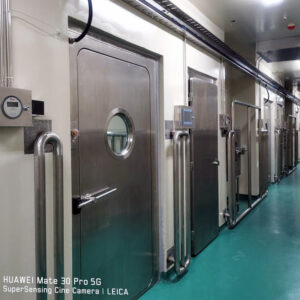
Przed ustaleniem położenia modułów należy naniesić na plan piętra tras przepływu personelu i materiałów. Przedpokój do zakładania odzieży ochronnej po stronie czystej, przylegający do korytarza służącego do wywozu odpadów, narusza zasadę kierunkowości przepływu, niezależnie od różnicy ciśnień utrzymywanej po obu stronach drzwi. Fizyczne przebiegi tras mają znaczenie, a w układzie modułowym są one ustalane na etapie konfiguracji paneli. Po wykonaniu instalacji trudno jest zmienić przebieg tras bez wymiany elementów ściennych.
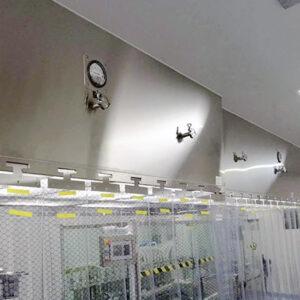
Zintegrowany system HVAC w modułowych systemach pomieszczeń czystych — gdzie wentylacja, regulacja ciśnienia i monitorowanie są wstępnie skonfigurowane w pakiecie modułowym — stanowi element projektowy, który ogranicza konieczność koordynacji działań między poszczególnymi wykonawcami instalacji. Nie zastępuje on jednak projektu relacji klas czystości, który musi poprzedzać opracowanie specyfikacji systemu HVAC. Wbudowany kaskadowy system regulacji ciśnienia może realizować wyłącznie kaskadę, która została w nim zaprojektowana; jeśli mapa poziomów była niekompletna w momencie opracowywania specyfikacji systemu HVAC, system będzie utrzymywał ciśnienia między strefami, które nie zostały poprawnie zdefiniowane.
Rola LAF, komory przekazowej, przebieralni i kabiny w procesach sterylnych
Każdy z tych rodzajów urządzeń jest przeznaczony do eliminacji konkretnej drogi zanieczyszczenia, której sama konstrukcja pomieszczenia nie jest w stanie wyeliminować. Ich role wzajemnie się uzupełniają, a przyczyną niepowodzeń w projektach modułowych nie jest niezrozumienie ich funkcji — chodzi o to, że zakres ich zastosowania jest określany zbyt późno, by można je było płynnie wkomponować w gotowy projekt prefabrykowany.
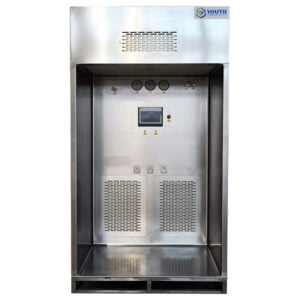
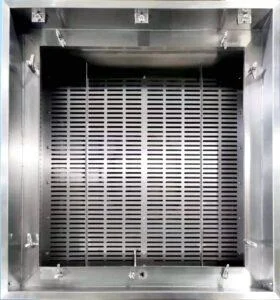
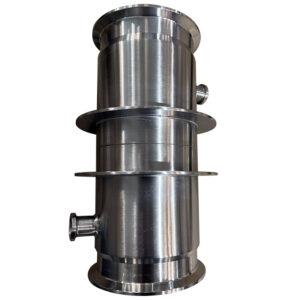
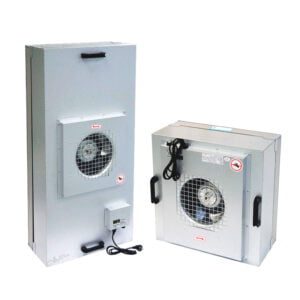
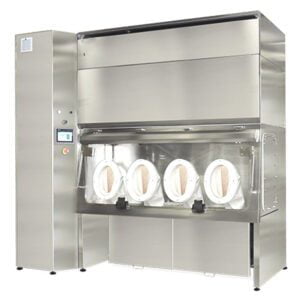
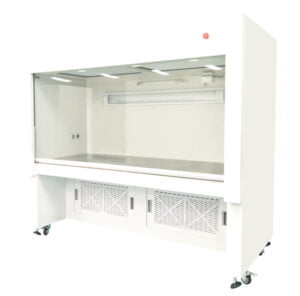
Urządzenia z przepływem laminarnym chronią kluczowe operacje, tworząc nad strefą roboczą jednokierunkową kurtynę powietrzną filtrowaną przez filtry HEPA, co pozwala uzyskać lokalne środowisko ochronne klasy A w pomieszczeniu klasy B. Kluczowym czynnikiem w kontekście modułowym jest nie tylko specyfikacja urządzenia LAF — są to również dostępna wysokość sufitu nad urządzeniem, głębokość komory nawiewowej, droga przepływu powietrza powrotnego oraz odstęp między wylotem powietrza urządzenia a powierzchnią roboczą. Parametry te należy zweryfikować pod kątem projektu modułu przed ustaleniem wysokości paneli i konfiguracji sufitu. A jednostka laminarnego przepływu powietrza Urządzenie zainstalowane w pomieszczeniu, w którym nie przewidziano odpowiedniej głębokości sufitu, albo nie osiągnie wymaganej prędkości przepływu, albo będzie wymagało zmian konstrukcyjnych, które naruszą zatwierdzoną szczelność pomieszczenia.
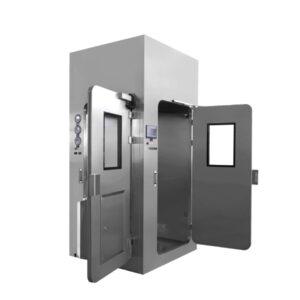
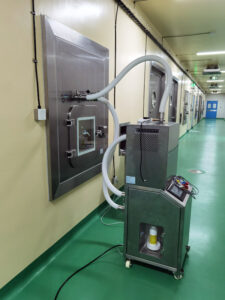
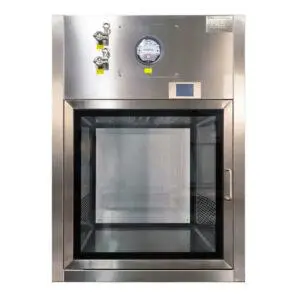
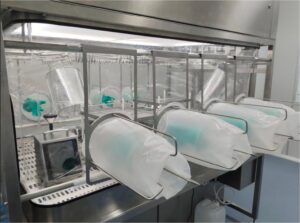
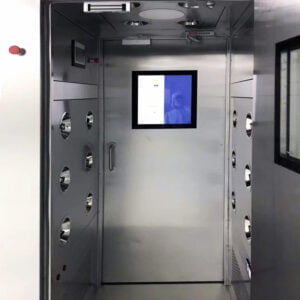
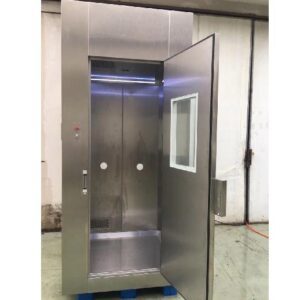
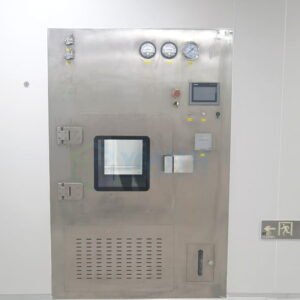
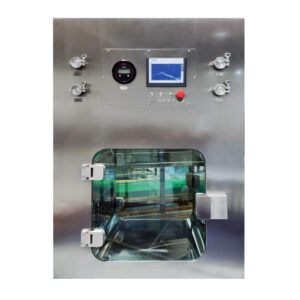
Komory przekaźnikowe eliminują ryzyko zanieczyszczenia wynikające z przemieszczania się personelu między strefami o różnym stopniu czystości w celu przekazywania materiałów. Komora statyczna tworzy fizyczną szczelinę powietrzną między sąsiednimi strefami; komora dynamiczna z przepływem powietrza filtrowanego przez filtr HEPA zapewnia dodatkową barierę chroniącą przed cząstkami stałymi podczas przekazywania materiałów. A Skrzynka przepustek VHP zapewnia możliwość dekontaminacji sporobójczej materiałów wprowadzanych do środowiska klasy B lub klasy A, co ma znaczenie w sytuacjach, gdy powierzchni dostarczanych materiałów nie można przed wprowadzeniem odpowiednio oczyścić innymi metodami. Ograniczeniem integracyjnym w układzie modułowym jest wykonanie przejścia w panelu ściennym: komora przelotowa musi zostać wbudowana w zespół panelowy na etapie produkcji, ponieważ wycinanie otworów w gotowym systemie paneli po montażu wiąże się zarówno z ryzykiem konstrukcyjnym, jak i utrudnieniami w utrzymaniu czystości. Decyzje dotyczące lokalizacji komory przelotowej, które są odkładane na okres po zakończeniu etapu projektowania paneli, rutynowo stają się problemami podczas uruchamiania instalacji.
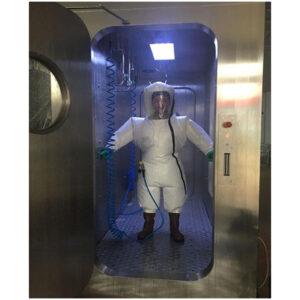
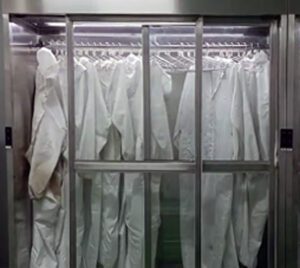
Pomieszczenia przygotowawcze do zakładania odzieży ochronnej pełnią funkcję stref przejściowych dla personelu. Sekwencja — przejście z korytarza o niższym stopniu czystości przez pomieszczenie przejściowe do obszaru operacyjnego o wyższym stopniu czystości — stanowi środek kontroli zanieczyszczeń, który opiera się zarówno na fizycznej przestrzeni, jak i na procedurze w niej wykonywanej. Pomieszczenie przygotowawcze musi być wystarczająco duże, aby umożliwić przeprowadzenie całej sekwencji zakładania odzieży ochronnej bez zatorów, wyposażone w odpowiednie powierzchnie do przechowywania i zakładania odzieży oraz utrzymywane przy ciśnieniu pośrednim między sąsiednimi strefami. W układach modułowych wymiary pomieszczenia przygotowawczego są ustalane przez rozmieszczenie paneli, a pomieszczenie przygotowawcze o rozmiarach zbyt małych w stosunku do liczby jednoczesnych użytkowników zagrozi prawidłowemu przebiegowi procedury zakładania odzieży ochronnej, niezależnie od tego, jak pomieszczenie radzi sobie pod względem liczby cząstek.
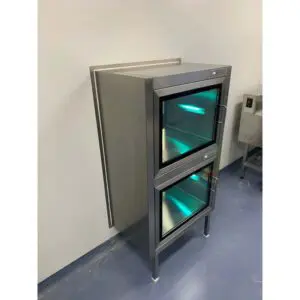
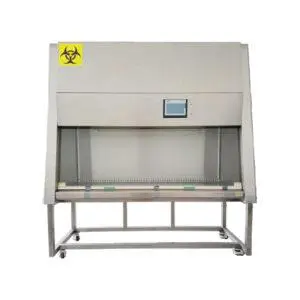
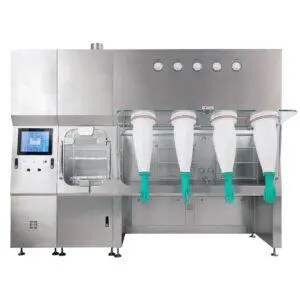
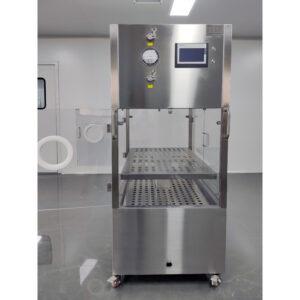
Kabiny do pobierania próbek i izolatory zabezpieczające zaspokajają lokalne potrzeby w zakresie ochrony, które pojawiają się w sytuacjach, gdy poziom czystości pomieszczenia klasy B nie jest wystarczający do wykonywanej czynności lub gdy obsługiwany materiał wymaga zarówno izolacji, jak i czystości. Ich rozmieszczenie względem tras przepływu materiałów, wyjść na odpady oraz punktów monitorowania należy ustalić już na etapie projektowania układu. Umieszczenie kabiny do pobierania próbek w miejscu, które zmusza operatora do przekroczenia granicy strefy czystej w celu dotarcia do wyjścia na odpady, niweczy kontrolę zanieczyszczeń zapewnianą przez tę kabinę.
Wstępna integracja tych elementów w ramach gotowego zestawu modułowego zmniejsza ryzyko związane z koordynacją podczas montażu, nie eliminuje jednak konieczności jednoznacznego ustalenia położenia każdego elementu, wymagań dotyczących przepływu powietrza oraz powiązań proceduralnych przed rozpoczęciem produkcji.
Załącznik 1: Ryzyko związane z nieuzasadnionymi roszczeniami dotyczącymi pomieszczeń modułowych
Samo pomieszczenie stanowi najmniejszy element obciążenia dowodowego wynikającego z załącznika 1. Załącznik 1 do unijnych wytycznych GMP (2023) wymaga strategii kontroli zanieczyszczeń — udokumentowanego, opartego na ocenie ryzyka systemu, który identyfikuje źródła zanieczyszczeń, określa środki kontroli stosowane w każdym punkcie oraz dostarcza dowodów na to, że środki te działają zgodnie z założeniami. Modułowe pomieszczenie czyste obejmuje ściany, sufit, podłogę oraz zintegrowany system wentylacyjno-klimatyzacyjny. Nie obejmuje ono jednak strategii kontroli zanieczyszczeń (CCS), protokołów kwalifikacji, danych z monitoringu ani standardowych procedur operacyjnych (SOP). Jeśli elementy te nie zostaną wyraźnie uwzględnione w zakresie dostawy wraz z pomieszczeniem, jego fizyczna konstrukcja będzie zgodna z wymogami formalnymi, ale pozbawiona uzasadnienia merytorycznego.
Najczęstszym błędem, który w najbardziej bezpośredni sposób naraża na ryzyko audytowe, jest traktowanie dostawy od dostawcy modułowego jako granicy zakresu zgodności z załącznikiem 1. Dostawca może dostarczyć dobrze zaprojektowane, wstępnie uruchomione pomieszczenie z wbudowanymi funkcjami monitorowania, a mimo to pozostawić użytkownika z systemem, w którym nie ma wyznaczonego właściciela strategii kontroli zanieczyszczeń, nie ma łańcucha dowodów kwalifikacji ani powiązania między parametrami wydajnościowymi pomieszczenia a procesem produkcyjnym, który obsługuje. Luka ta nie pojawia się w dokumentacji przekazowej dostawcy — ujawnia się podczas kontroli, gdy organ regulacyjny prosi o przedstawienie strategii kontroli zanieczyszczeń (CCS) i napotyka albo fragmentaryczny zestaw dokumentów pochodzących od wielu stron, albo strategię sporządzoną po uruchomieniu w celu opisania tego, co zostało już zbudowane.
Rozdrobniona odpowiedzialność w modelu „projektuj i buduj” jest czynnikiem przyczyniającym się do tego stanu rzeczy, a nie jedyną przyczyną. Model z udziałem wielu wykonawców może zapewnić uzasadniony łańcuch dowodowy (CCS), o ile odpowiedzialność za dowody zostanie wyraźnie przypisana i egzekwowana w całym projekcie. Ryzyko polega na tym, że często tak nie jest — koordynacja między odrębnymi podmiotami odpowiedzialnymi za systemy HVAC, konstrukcję pomieszczeń, monitorowanie i urządzenia procesowe często pozostawia w łańcuchu dowodowym szare strefy, za które nie odpowiada żadna z stron. Odpowiedzialność spoczywająca na jednym podmiocie zmniejsza to ryzyko poprzez powierzenie odpowiedzialności za projektowanie, produkcję, montaż i uruchomienie jednemu podmiotowi, co sprawia, że kwestia własności dowodów staje się strukturalnie bardziej przejrzysta. Jest to kompromis mający na celu ograniczenie ryzyka, a nie jedyna droga do uzyskania wyniku zgodnego z przepisami.
Konsekwencje związane z nieprzestrzeganiem przepisów wynikające z każdej nierozwiązanej luki są takie same, niezależnie od sposobu wykonania pomieszczenia: jest to luka w łańcuchu dowodowym systemu kontroli jakości (CCS), którą należy wyeliminować, zanim obiekt będzie mógł być wykorzystywany do produkcji sterylnej, a także którą należy uzasadnić podczas kontroli.
| Niepotwierdzone twierdzenie lub luka | Ryzyko braku zgodności | Co należy wyjaśnić przed przyjęciem |
|---|---|---|
| Zakładając, że sama struktura modułowa spełnia wymagania załącznika 1 | Niezgodność w przypadku braku dokumentacji potwierdzającej (CCS, monitorowanie, kwalifikacje) | Należy upewnić się, że dostawca dostarcza kompletną dokumentację, a nie tylko fizyczne pomieszczenie |
| Rozdrobniona odpowiedzialność za projekt i realizację (“komisja ds. pomieszczeń czystych”) | Luki w rozliczalności, brakujące dowody, spory dotyczące odpowiedzialności za zgodność z przepisami | Należy upewnić się, że jeden podmiot jest odpowiedzialny za cały proces – od projektu, przez produkcję i montaż, aż po uruchomienie |
| Brak wstępnie zintegrowanych systemów HVAC, oświetlenia i monitoringu | Braki w integracji zakłócają harmonogramy i powodują luki w danych stanowiących podstawę dowodów wymienionych w załączniku 1 | Należy upewnić się, że wszystkie kluczowe systemy zostały wstępnie zintegrowane i przetestowane przed dostawą na miejsce |
W praktyce oznacza to, że prace nad załącznikiem 1 powinny rozpocząć się już na etapie koncepcyjnym, a nie dopiero w momencie oddania obiektu do użytku. Do czasu ukończenia budowy pomieszczenia mapa klasyfikacji, analiza dróg zanieczyszczenia, role urządzeń oraz strategia monitorowania powinny już istnieć w postaci wstępnej wersji dokumentu CCS, którego realizację ma wspierać budowane pomieszczenie — a nie jako dokument sporządzany z mocą wsteczną w celu opisania tego, co zostało zainstalowane.
Zatwierdzenie koncepcji po ustaleniu roli CCS i osoby odpowiedzialnej za dokumentację
Zatwierdzenie koncepcji to moment, w którym ustalane są układ, przeznaczenie urządzeń, relacje między klasami oraz przynależność dowodów. Zatwierdzenie koncepcji przed jednoznacznym określeniem tych elementów nie przyspiesza realizacji projektu — powoduje jedynie odłożenie rozstrzygnięcia tych kwestii na etap produkcji, uruchomienia lub kwalifikacji, gdzie koszt wprowadzenia poprawek jest wyższy, a rezerwa czasowa mniejsza.
Podczas zatwierdzania koncepcji kluczową kwestią jest to, czy strategia kontroli zanieczyszczeń ma wyznaczonego właściciela. Załącznik 1 do unijnych wytycznych GMP wymaga, aby strategia kontroli zanieczyszczeń (CCS) była dostosowana do konkretnego procesu produkcyjnego i poparta dowodami; nie określa jednak, w jaki sposób należy zorganizować projekt, aby uzyskać te dowody. Przepisy wymagają jedynie, aby dowody istniały i były uzasadnione. Oznacza to, że ktoś musi być za nie odpowiedzialny – nie w sensie formalnym, ale w sensie ponoszenia odpowiedzialności za dane wejściowe do projektu, protokoły kwalifikacyjne, konfigurację monitorowania oraz powiązania między tymi wszystkimi elementami a mapą klas, zgodnie z którą opracowano układ. Jeśli ta odpowiedzialność nie zostanie potwierdzona na etapie zatwierdzania koncepcji, strategia kontroli zanieczyszczeń (CCS) zostanie opracowana przez osobę, która będzie obecna na miejscu podczas uruchamiania, na podstawie dostępnej dokumentacji.
Konstrukcja modułowa ułatwia zatwierdzenie koncepcji poprzez skrócenie harmonogramu prac konstrukcyjnych oraz umożliwienie wczesnej integracji systemów monitorowania i sterowania. Dane podane przez dostawców wskazują, że wskaźnik ponownego wykorzystania komponentów wynosi 95% lub więcej w przypadku przeniesienia pomieszczenia modułowego, co ma znaczenie dla uzasadnienia cyklu życia i aspektów finansowych w dokumentacji zatwierdzającej koncepcję — należy to jednak traktować jako wartość projektową podaną przez dostawcę, a nie jako standardowy punkt odniesienia w branży. Bardziej bezpośrednią korzyścią na etapie koncepcyjnym jest to, że dobrze wyspecyfikowany pakiet modułowy z wstępnie zintegrowanym systemem monitorowania warunków środowiskowych — licznikami cząstek, czujnikami różnicy ciśnień, przetwornikami temperatury i wilgotności — zapewnia infrastrukturę monitorowania, która jest gotowa do kwalifikacji od pierwszego dnia uruchomienia. Nie eliminuje to nakładu pracy związanego z kwalifikacją, ale pozwala uniknąć opóźnień wynikających z konieczności budowania zdolności monitorowania w pomieszczeniu, które zostało dostarczone bez takich funkcji.
Elastyczność planu piętra w systemach modułowych — możliwość skalowania w poziomie i w pionie w celu dostosowania do różnych konfiguracji produkcyjnych — ma znaczenie dla zatwierdzenia koncepcji, gdy zakład ma obsługiwać wiele rodzajów produktów lub ewoluować z biegiem czasu. Decyzje dotyczące układu podjęte na etapie koncepcyjnym, które ustalają jedną konfigurację bez możliwości jej zmiany, ograniczą przyszły zakres kwalifikacji, nawet jeśli początkowa konstrukcja jest zgodna z wymogami.
Poniżej wymieniono czynności weryfikacyjne, które należy zakończyć przed zatwierdzeniem koncepcji, wraz z dokumentacją potwierdzającą każdą z nich.
| Co należy potwierdzić | Dlaczego to ma znaczenie | Jakie dowody można się spodziewać |
|---|---|---|
| Kompleksowy dostawca, który bierze na siebie odpowiedzialność za projektowanie, produkcję, montaż i uruchomienie | Określa konkretną osobę odpowiedzialną za dokumentację w ramach strategii kontroli zanieczyszczeń | Dokument określający zakres dostaw, obejmujący cały łańcuch dostaw |
| Plan piętra pozwala na realizację opłacalnych komercyjnie układów zarówno w układzie poziomym, jak i pionowym | Zapewnia elastyczność układu i skalowalność dostosowaną do zmieniających się potrzeb produkcyjnych | Plany projektowe pokazujące możliwość dostosowania w warunkach ograniczonej przestrzeni |
| Możliwość ponownego wykorzystania komponentów o numerze 95% lub wyższym podczas przenoszenia | Chroni inwestycję i wzmacnia uzasadnienie finansowe | Dane dostawców lub przykłady pokazujące wskaźniki ponownego wykorzystania po przeniesieniu |
| Kompleksowy monitoring warunków środowiskowych (cząstki stałe, liczba mikroorganizmów, temperatura, wilgotność, różnica ciśnień) | Dostarcza dane w czasie rzeczywistym, które stanowią podstawę do ciągłej kontroli zanieczyszczeń | Wstępnie skonfigurowany system monitorowania z funkcjami przesyłania danych |
| Integracja technologii sterowania i monitorowania w systemie „plug-and-play” | Ułatwia gromadzenie dowodów i zmniejsza luki w kwalifikacji instalacji | Potwierdzenie przeprowadzonych wcześniej testów integracji oraz gotowości do użycia strumieni danych dla CCS |
Zatwierdzenie koncepcji należy wstrzymać do momentu uzyskania jednoznacznej odpowiedzi w każdym wierszu danego zestawu potwierdzającego. Koncepcja zatwierdzona pomimo obecności otwartych pozycji w kolumnie „Właściciel dokumentacji” stanowi koncepcję, która przenosi ryzyko na kolejne etapy — na produkcję, uruchomienie i ostatecznie na harmonogram kwalifikacji.
Decyzja o zastosowaniu konstrukcji modułowej w sterylnym środowisku produkcyjnym jest uzasadniona pod względem harmonogramu, kosztów i konfiguracji. Nie zmienia to jednak obciążenia dowodowego wynikającego z przepisów: pomieszczenie o szybkim cyklu produkcyjnym z niekompletną strategią kontroli zanieczyszczeń wiąże się z takim samym ryzykiem naruszenia zgodności z przepisami, jak pomieszczenie o powolnym cyklu. Kwestia strukturalna — czyli sposób budowy pomieszczenia — jest odrębna od kwestii dowodowej — czyli tego, co może wykazać eksploatacja pomieszczenia — a traktowanie ich jako jednej i tej samej kwestii jest przyczyną większości niepowodzeń w kwalifikacji na późnych etapach realizacji modułowych projektów sterylnych.
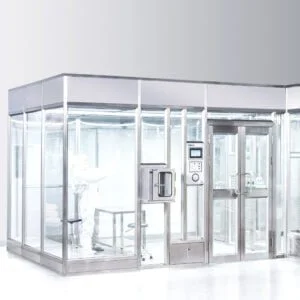
Zanim projekt zostanie przekazany do realizacji, należy sporządzić kompletną mapę klasyfikacji, prześledzić ścieżki zanieczyszczeń aż do konkretnych punktów kontrolnych, przypisać role urządzeń do poszczególnych etapów procesu oraz wyznaczyć osobę odpowiedzialną za łańcuch dowodowy CCS wraz z określonym zakresem obowiązków. Te cztery elementy, potwierdzone już na etapie koncepcyjnym, sprawiają, że dobrze zaprojektowane pomieszczenie modułowe staje się środowiskiem produkcji sterylnej, które można obronić przed zarzutami. W przypadku projektów farmaceutycznych pomieszczeń czystych, gdzie te dane planistyczne muszą zostać przełożone na konkretną konfigurację pomieszczenia, modułowy pokój czysty dla przemysłu farmaceutycznego Zakres projektu to moment, w którym ustalane są decyzje dotyczące układu i integracji sprzętu — i właśnie na tym etapie należy potwierdzić te cztery elementy.
Często zadawane pytania
Pytanie: Nasz obiekt posiada już tradycyjny, budowany metodą tradycyjną pomieszczenie czyste przeznaczone do operacji klasy C i D — czy w takim przypadku budowa modułowa nadal ma sens w przypadku dodania kompleksu klasy A/B?
O: Tak, ale głównym czynnikiem, który należy uwzględnić podczas planowania, jest zgodność z istniejącą infrastrukturą, a nie metoda budowy. Nowe modułowe pomieszczenie klasy B wraz z lokalnymi punktami ochrony klasy A musi nawiązywać do istniejących przepływów personelu, tras transportu materiałów oraz ram standardowych procedur operacyjnych (SOP), nie wymuszając przy tym zmian w tych systemach. Jeśli sekwencja śluz powietrznych, trasa przebierania się lub sieć monitoringu nowego modułu nie mogą płynnie współdziałać z tym, co już funkcjonuje, korzyść wynikająca z szybkości instalacji zostaje zniwelowana przez późniejsze prace związane z dostosowaniem standardowych procedur operacyjnych (SOP). Należy wyraźnie rozwiązać tę kwestię współdziałania przed przekazaniem koncepcji modułowej do produkcji.
Pytanie: Po dostarczeniu i uruchomieniu pomieszczenia modułowego, jaki jest najbliższy krok, który należy podjąć przed rozpoczęciem produkcji sterylnej?
O: Sekwencja kwalifikacji — IQ, OQ, PQ — musi zostać przeprowadzona zgodnie ze strategią kontroli zanieczyszczeń, której projekt powinien już istnieć przed rozpoczęciem budowy pomieszczenia. Odbiór techniczny obejmuje przekazanie gotowego, wstępnie zintegrowanego pomieszczenia; nie obejmuje on jednak przekazania dokumentacji potwierdzającej kwalifikację. Profile zliczania cząstek, walidacja kaskady ciśnieniowej, weryfikacja prędkości w komorze LAF oraz wartości bazowe monitoringu mikrobiologicznego muszą zostać przeprowadzone i udokumentowane zgodnie z mapą klas, która została zdefiniowana na etapie koncepcyjnym. Jeśli strategia kontroli zanieczyszczeń (CCS) została sporządzona retrospektywnie po uruchomieniu, a nie wykorzystana jako punkt odniesienia dla projektu, sekwencja ta będzie również obejmowała prace polegające na uzgodnieniu tego, co zostało zbudowane, z opisem zawartym w CCS — co znacznie wydłuża harmonogram.
Pytanie: W którym momencie działalność obejmująca wiele produktów lub ATMP wykracza poza możliwości, jakie zapewnia modułowy układ pomieszczenia czystego bez konieczności wprowadzania zmian konstrukcyjnych?
A: Próg ten występuje wtedy, gdy wymagań dotyczących kontroli zanieczyszczeń drugiego produktu — innej klasy izolacji, niezgodnego schematu czyszczenia lub punktu ochronnego klasy A w miejscu, którego obecny układ nie jest w stanie pomieścić — nie da się spełnić poprzez zmianę konfiguracji urządzeń w ramach istniejącego układu paneli. Konstrukcja modułowa zapewnia elastyczność układu na etapie projektowania oraz wysoką możliwość ponownego wykorzystania elementów w przypadku przeniesienia, jednak po wyprodukowaniu i zamontowaniu paneli decyzje dotyczące tras prowadzenia rur, przejścia ścienne dla komór przekaźnikowych oraz granice stref wentylacyjno-klimatyzacyjnych są ustalone na stałe. Koncepcja zaprojektowana bez wyraźnego uwzględnienia możliwości zmiany linii produkcyjnej — tras demontażu sprzętu, elastyczności stref wentylacyjno-klimatyzacyjnych, specyfikacji powierzchni zgodnych z wieloma protokołami czyszczenia — będzie wymagała wymiany paneli zamiast ich rekonfiguracji, gdy drugi produkt zostanie wprowadzony do harmonogramu.
Pytanie: Jak wygląda porównanie modelu dostaw modułowych z jednym dostawcą z modelem opartym na wielu wykonawcach w kontekście zarządzania łańcuchem dowodowym zgodnie z załącznikiem 1?
O: Dostawa z jednego źródła sprawia, że struktura odpowiedzialności za dokumentację jest bardziej przejrzysta, ale nie jest to jedyna droga do uzyskania uzasadnionego systemu CCS — jest to kompromis mający na celu ograniczenie ryzyka. W przypadku współpracy z wieloma wykonawcami projekt, instalacje grzewcze, wentylacyjne i klimatyzacyjne (HVAC), monitoring oraz urządzenia procesowe są dostarczane przez odrębne podmioty, a luki w łańcuchu dowodowym, które powstają między tymi zakresami, często nie mają jednego właściciela. Dostawca z jednego źródła nakłada odpowiedzialność za projekt, produkcję, montaż i uruchomienie na jeden podmiot, co eliminuje niejasności między zakresami obowiązków poszczególnych wykonawców. Wymóg regulacyjny dotyczy tego, aby dokumentacja CCS istniała i była uzasadniona, a nie tego, by pochodziła od jednego dostawcy; praktyczne ryzyko polega na tym, że umowy z wieloma wykonawcami powodują powstanie luk, które stają się widoczne dopiero podczas kontroli, gdy organ regulacyjny pyta, kto jest odpowiedzialny za powiązanie między parametrami wydajności pomieszczenia a procesem produkcyjnym, który ono obsługuje.
Pytanie: Jeśli dane dotyczące ponownego wykorzystania komponentu 95% pochodzą od dostawcy, w jaki sposób należy je uwzględnić w uzasadnieniu inwestycyjnym na potrzeby zatwierdzenia koncepcji?
O: Należy traktować tę wartość jako orientacyjny wskaźnik wartości w całym cyklu życia, a nie jako gwarantowane zobowiązanie finansowe, i przed uwzględnieniem jej w formalnym uzasadnieniu inwestycyjnym poprosić dostawcę o dane dotyczące konkretnego projektu. Liczba ta ma znaczenie jako dowód na to, że budownictwo modułowe wiąże się z niższymi kosztami przeniesienia obiektu niż alternatywne rozwiązania oparte na budownictwie tradycyjnym — co ma znaczenie, gdy obiekt ma obsługiwać zmieniające się linie produktowe lub może zaistnieć potrzeba jego przeniesienia. W przypadku dokumentacji dotyczącej zatwierdzenia koncepcji bardziej podlegającym weryfikacji argumentem finansowym jest skrócenie harmonogramu budowy konstrukcji oraz wstępnie zintegrowana infrastruktura monitorująca, które to czynniki obniżają koszty przygotowania do certyfikacji. Możliwość ponownego wykorzystania przemawia za inwestycją w dłuższej perspektywie, ale jej waga w dokumencie zatwierdzającym koncepcję powinna być proporcjonalna do poziomu pewności związanego z podaną konkretną wartością.