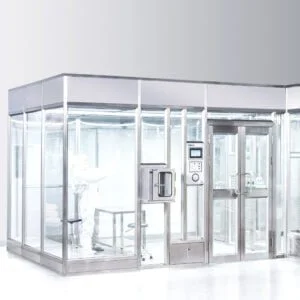
O dimensionamento da cabine e a cotação do fornecedor geralmente começam antes que a equipe de Meio Ambiente, Saúde e Segurança (EHS) tenha confirmado uma classificação OEB vinculativa para os materiais que serão manuseados. Quando essa sequência ocorre na ordem errada, os valores fixados no pedido de compra — volume de fluxo de ar, configuração do filtro, área ocupada pela cabine — podem não refletir o que o risco real do material exige. Essa discrepância vem à tona durante o comissionamento ou a qualificação, quando dados reais de exposição ou uma avaliação completa dos riscos do composto contradizem as premissas preliminares do projeto, e o projeto acaba arcando com os custos de alterações no projeto, atrasos na entrega e retrabalho de validação que poderiam ter sido evitados. A decisão que resolve essa questão não é a seleção da cabine em si, mas a sequência de análises que deve precedê-la: classificação de risco, limites de exposição do operador, carga de limpeza e requisitos de interface — tudo isso precisa ser documentado antes que qualquer especificação seja finalizada.
Revisão da OEB antes que o tamanho do estande e o fluxo de ar sejam definidos
A classificação OEB não é apenas um contexto de referência para a compra de uma cabine — é o principal fator que determina se uma cabine padrão com fluxo descendente é tecnicamente adequada, se são necessárias telas de contenção ou se o projeto precisa ser elevado para uma configuração de isolador. Tratá-la como um detalhe a ser confirmado após o recebimento da cotação do fornecedor é um erro de sequência com consequências posteriores que são difíceis e caras de corrigir.
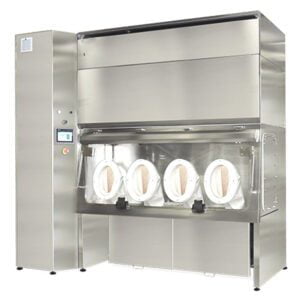
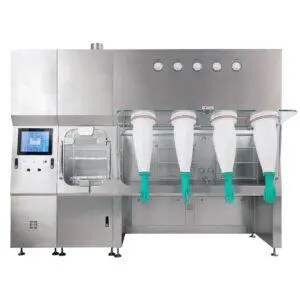
A relação entre o nível de OEB e a tecnologia de contenção não é linear. As cabines de fluxo descendente podem oferecer proteção significativa ao operador em todo o OEB 3 e, com telas de alta contenção adequadas, até o OEB 4 — mas esses são valores de projeto específicos de cada fabricante, e não limites regulatórios universais. Os valores de exposição utilizados nas especificações dos fornecedores (como proteção abaixo de 100 µg/m³ sem telas, ou abaixo de 10 µg/m³ com telas aprimoradas) refletem a intenção de projeto para configurações específicas e devem ser avaliados em relação aos seus próprios OELs de materiais e requisitos de TWA, não sendo tratados como garantias gerais de desempenho aplicáveis a todos os equipamentos. A mudança radical mais importante ocorre no OEB 5: uma vez que um material se enquadre nessa faixa, uma cabine de fluxo descendente, em qualquer configuração, não é a tecnologia de contenção primária adequada. Esse limite muda a especificação para caixas de luvas ou isoladores, que apresentam requisitos fundamentalmente diferentes em termos de espaço ocupado, interface e validação.
Na prática, isso significa que o projeto do fluxo de ar e o dimensionamento da cabine não podem ser finalizados até que a classificação OEB seja confirmada. O volume de ar, as metas de velocidade frontal, a configuração de recirculação ou de passagem única e a disposição dos filtros HEPA dependem do nível de contenção — e não apenas do tamanho da operação de pesagem.
| Nível OEB | Faixa típica de OEL | Tecnologia de contenção adequada | Exposição previsível do operador |
|---|---|---|---|
| OEB 3 | 10–100 µg/m³ (exemplo) | Cabine padrão com fluxo descendente | <100 µg/m³ sem telas de contenção |
| OEB 4 | Menor que OEB 3 | Cabine de fluxo descendente com telas de alta contenção | <10 µg/m³ com filtros |
| OEB 5 | <1 µg/m³ | Isolador ou caixa de luvas | <1 µg/m³ |
A coluna “Tecnologia de contenção” nesse mapeamento deve ser interpretada como um ponto de partida para a especificação, e não como uma prescrição rígida. Um projeto que lide com um composto de OEB 4 no limite inferior dessa faixa ainda pode necessitar de contenção por isolador, dependendo da escala, da duração da tarefa e da viabilidade do RPE como controle complementar. Defina primeiro o OEB e, em seguida, inicie a discussão sobre os equipamentos.
Questões sobre a exposição dos operadores que a área de Meio Ambiente, Saúde e Segurança (EHS) deve esclarecer desde o início
OEB e OEL não são termos intercambiáveis, e confundir os dois durante o planejamento inicial do projeto gera problemas de justificabilidade posteriormente. As classificações OEB são faixas internas definidas pela empresa — normalmente em uma escala de um a cinco — utilizadas para atribuir uma categoria de risco quando ainda não há dados toxicológicos completos disponíveis ou quando um limite de exposição ocupacional quantificado ainda não foi formalmente estabelecido. Os OELs são limites quantificados específicos definidos por autoridades externas, como a ACGIH, a EMA ou órgãos reguladores nacionais. A decisão sobre o sistema de contenção deve, em última instância, ser justificável em relação ao OEL, e não apenas em relação a uma faixa interna; quanto mais cedo a equipe de EHS (Saúde, Segurança e Meio Ambiente) puder determinar qual norma externa se aplica, mais precisa será a especificação do equipamento.
O padrão de falha nesse caso é previsível: as equipes de engenharia e compras começam a trabalhar com base em uma faixa interna de OEB simplesmente porque ela está disponível, enquanto a equipe de Segurança, Saúde e Meio Ambiente (EHS) ainda está concluindo ou colocando em operação a avaliação formal do composto. Quando um OEL é confirmado ou revisado, o projeto da cabine já foi orçado e, em muitos casos, encomendado. Se o OEL exigir uma exposição menor do que a faixa interna sugeria, o equipamento pode ser insuficiente e as opções de correção — modificação física, EPI suplementar ou restrição do processo — acarretam, cada uma, custos de validação e operacionais.
As questões que a EHS precisa esclarecer desde o início não se referem apenas à classificação de perigo. Elas abrangem a escala de operação, a duração das tarefas individuais e o potencial de geração de poeira — pois o mesmo composto OEB 4 manuseado em alíquotas de dois quilogramas sob um SOP controlado apresenta um perfil de exposição TWA diferente daquele do mesmo composto pesado em lotes de cinquenta quilogramas, com tempo de trabalho prolongado do operador na cabine. USP <800> oferece uma estrutura útil para refletir sobre a avaliação da exposição e a verificação do desempenho da contenção nesse contexto, mesmo que as categorias específicas de OEB às quais se refere sejam voltadas para ambientes de saúde, e não para a fabricação de produtos farmacêuticos. O princípio de que a seleção da contenção deve ser baseada no risco e verificada quanto à exposição é diretamente aplicável.
| Perspectiva da equipe | Questões-chave a serem resolvidas logo no início |
|---|---|
| Regulamentação | Quais OELs e normas de exposição se aplicam aos materiais? |
| Produto | Qual é o risco associado ao material, a classificação OEB e o potencial de geração de poeira? |
| Processo | Quais são a escala, a duração da tarefa e o SOP que afetam a exposição? |
| EHS | Qual é o desempenho de contenção necessário com base no TWA? |
| Operações | Que métodos de limpeza e operação a cabine suportará? |
| Engenharia | Como a cabine se integrará aos sistemas de climatização e filtragem? |
| Logística | Como será feito o fornecimento de matérias-primas e o tratamento dos resíduos? |
| Custo | Quais são as restrições relacionadas aos custos de capital e ao ciclo de vida? |
A abordagem multidisciplinar nessa estrutura não se trata de uma formalidade processual. Ela existe porque as respostas da área de Operações e Engenharia sobre custos e carga de limpeza frequentemente entram em conflito com as respostas da área de EHS sobre o desempenho da contenção, e essa tensão precisa ser resolvida antes da contratação de um fornecedor — e não durante a instalação.
Cabine flexível versus estratégia de contenção específica para cada produto
A escolha entre uma cabine flexível para múltiplos produtos e uma configuração específica para um produto parece ser uma simples questão de capacidade, mas envolve um compromisso menos visível: uma cabine projetada para lidar com uma variedade de níveis de OEB é mais fácil de justificar do ponto de vista do investimento e do planejamento, mas impõe uma carga contínua de validação de limpeza e documentação de exposição que as equipes costumam subestimar na fase de aquisição.
Para materiais classificados na OEB 3, uma cabine padrão de fluxo descendente pode acomodar um ambiente de produtos mistos sem alterações fundamentais no projeto entre as campanhas. Os requisitos de limpeza e troca de produto são viáveis, e a qualificação para uma variedade de produtos dentro dessa faixa de risco é geralmente possível sem a necessidade de ciclos de validação específicos para cada material. O quadro muda significativamente na OEB 4 e acima. Uma única cabine projetada para lidar sequencialmente com um composto OEB 2 e um composto OEB 4 impõe exigências significativas ao programa de validação de limpeza — limites de resíduos, amostragem de superfícies, limites de detecção analítica e proteção do operador durante a limpeza devem ser considerados para o material mais perigoso que a cabine venha a receber, independentemente da raridade com que esse material seja manuseado.
Para o OEB 4 e acima, a abordagem mais justificável é, normalmente, a contenção em camadas, em vez de uma única tecnologia flexível. Um estudo de caso comercial envolvendo o manuseio de API de alta potência descreve o uso de um isolador para pesagem em pequena escala (na faixa de zero a cinco quilos) e de equipamentos dedicados de dosagem de sólidos de alto rendimento para quantidades maiores — os limites específicos de massa nesse exemplo servem para ilustrar a lógica, e não como pontos de referência universais de engenharia, mas o princípio subjacente se aplica de maneira ampla. Uma única cabine flexível não pode atender a ambos os extremos dessa faixa sem comprometer o desempenho de contenção ou o rendimento operacional.
| Quantidade da API | Nível OEB | Abordagem recomendada para contenção |
|---|---|---|
| Qualquer quantidade | Até OEB 3 | Cabine padrão com fluxo descendente (adequada para cabines flexíveis) |
| 0–5 kg | OEB 4 e acima | Isolador para pesagem em pequena escala |
| 50–500 kg ou mais | OEB 4 e acima | Dosagem de sólidos com alta capacidade de processamento (dedicada) |
A cabine específica para um produto é mais fácil de classificar em um único perfil de risco e mais fácil de justificar em uma auditoria para esse perfil. A cabine flexível preserva as opções futuras, mas exige que a validação de limpeza, o monitoramento de exposição e os controles de SOP sejam estabelecidos e mantidos para toda a gama de materiais que ela irá manusear. Nenhuma das duas opções é, por si só, a resposta errada — mas a escolha precisa ser explicitada antes da compra, e não descoberta durante o primeiro ciclo de validação de limpeza.
Para instalações que lidam com uma combinação de perfis de risco de API, o Sistema de barreira de acesso restrito aberto (ORABS) representa uma configuração intermediária que vale a pena avaliar: oferece maior separação do operador em comparação com uma cabine aberta de fluxo descendente, ao mesmo tempo em que preserva a flexibilidade de acesso que um isolador totalmente fechado não proporcionaria, e pode ser adequada em casos em que materiais da categoria OEB 4 sejam manuseados em escala limitada juntamente com compostos de menor risco.
Revisão do projeto causada pelo atraso na análise de riscos relacionados aos materiais
A fase mais onerosa para se descobrir que as especificações de uma cabine estão incorretas é após a emissão do pedido de compra. Nesse momento, alterações na configuração do fluxo de ar, no sistema de filtragem, no projeto da carcaça para troca segura ou nas interfaces mecânicas com o sistema de climatização do edifício exigem ou uma ordem de alteração formal junto ao fornecedor — o que acarreta atrasos na entrega — ou uma adaptação pós-instalação que pode não ser viável do ponto de vista técnico ou espacial sem modificações significativas no sistema instalado.
As interfaces específicas que geram mais retrabalho quando definidas tardiamente são os pontos de conexão do sistema de climatização (HVAC), o traçado dos dutos de exaustão, as relações de cascata de pressão com ambientes adjacentes e as conexões para drenagem e serviços de limpeza. Uma cabine especificada sem requisitos confirmados de volume de exaustão pode ser entregue com conexões de dutos que não se adequam ao sistema do edifício. Uma cabine especificada sem um método de limpeza confirmado pode chegar sem provisão para drenagem ou com materiais de superfície incompatíveis com o desinfetante ou agente de limpeza utilizado pela instalação. A adaptação desses elementos após a instalação torna-se mais difícil quanto mais tarde a revisão ocorrer — e, em algumas configurações, alterações no projeto da caixa do filtro de troca segura ou na integração da exaustão são efetivamente impossíveis sem a substituição de componentes estruturais importantes.
O risco de atraso é agravado pela sequência de validação. A documentação da IQ exige que o equipamento instalado esteja em conformidade com o URS aprovado e com as especificações de projeto. Se o equipamento entregue diferir do que foi projetado — porque uma revisão tardia dos riscos de materiais forçou uma alteração que foi parcialmente, mas não totalmente, implementada —, a IQ será reprovada ou exigirá documentação de desvio que será alvo de escrutínio durante a inspeção de BPF. A OQ e a PQ sofrem atrasos adicionais, pois dependem de uma IQ concluída e aceita. Um projeto que economiza três semanas ao compactar a análise de riscos na fase inicial pode facilmente perder três meses no comissionamento.
A prática profissional que evita isso é simples, em princípio: definir o risco do material, a preocupação com a exposição do operador, o método de limpeza e todos os requisitos de interface mecânica antes de emitir uma solicitação de cotação, e tratar a etapa da cotação do fornecedor como uma etapa de revisão, e não como um ponto de partida. O artigo sobre projeto da cabine de distribuição e configuração do sistema de contenção aborda algumas das questões relacionadas à interface e ao design que precisam ser resolvidas nessa etapa.
Processo de aprovação para riscos, limpeza e métodos operacionais
O momento anterior à assunção de qualquer compromisso de compra é o único ponto do projeto em que todas as decisões relevantes ainda estão em aberto simultaneamente. Uma vez que a nota de pedido é emitida, a especificação fica efetivamente fixada para fins de prazo de entrega, e o custo de reavaliar qualquer elemento aumenta a cada etapa subsequente do projeto. Tratar a revisão pré-nota de pedido como uma etapa formal de aprovação — em vez de uma mera formalidade de documentação — muda o que vem à tona e quando isso ocorre.
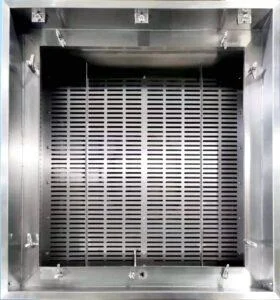
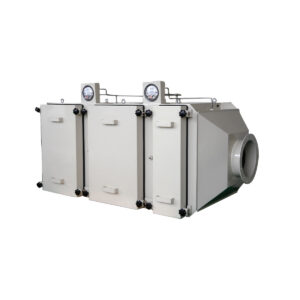
A porta deve confirmar, no mínimo: a classificação OEB e os dados de risco do composto correspondentes, o limite de exposição do operador e o desempenho de contenção que a cabine deve comprovadamente atingir, o método de limpeza e as superfícies e disposições de drenagem exigidas por esse método, bem como a estratégia de troca de filtros, incluindo se são especificadas caixas de troca segura. As caixas de filtro com troca segura para filtros HEPA e pré-filtros não são um upgrade opcional a ser adicionado posteriormente — uma vez que a cabine esteja instalada e integrada ao envelope da sala, adicionar ou modificar o projeto das caixas requer uma intervenção que pode não ser viável na prática em uma instalação em operação. Isso precisa ser confirmado na especificação antes que o pedido seja feito.
No que diz respeito aos métodos operacionais, as orientações dos fornecedores para sistemas de cabines com fluxo de ar laminar geralmente recomendam a inspeção anual dos sistemas de ventilação quanto a poluentes atmosféricos particulados, com intervalos mais longos para verificações de poluentes gasosos, além de um cronograma estruturado de substituição de filtros HEPA que diferencie entre a primeira substituição e as substituições subsequentes. Esses intervalos são parâmetros de projeto de manutenção, e não exigências regulatórias universais; no entanto, o programa de manutenção que a instalação precisará documentar para fins de BPF deve ser consistente com o projeto do equipamento. Uma cabine que dificulta a inspeção ou a substituição do filtro — porque o acesso seguro para a troca não foi especificado — cria um risco recorrente de não conformidade sempre que a manutenção for necessária.
| Requisito | Frequência mínima / Condição |
|---|---|
| Inspeção do sistema de ventilação para poluentes atmosféricos particulados | Anualmente |
| Inspeção do sistema de ventilação para poluentes atmosféricos gasosos | Pelo menos a cada 3 anos |
| Substituição do filtro HEPA de primeiro estágio | Anualmente (com maior frequência para aplicações sensíveis) |
| Substituições posteriores do filtro HEPA | A cada 2 anos |
| Caixas de filtro com troca segura para filtros HEPA e de poeira fina | Deve ser especificado no projeto (revisão pré-instalação) |
A orientação da OMS sobre BPF para produtos farmacêuticos que contêm substâncias perigosas reforça o princípio mais amplo: a seleção e a manutenção do sistema de contenção devem ser baseadas nos riscos e documentadas, com verificação periódica de que o sistema continua a funcionar conforme o previsto. O que o processo de aprovação garante é que o equipamento adquirido seja capaz de dar suporte a esse programa contínuo — não apenas no comissionamento, mas ao longo de todo o ciclo de vida da manutenção.
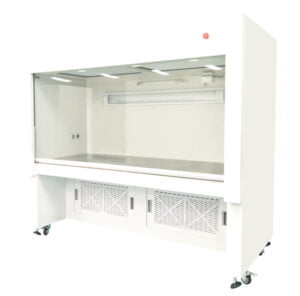
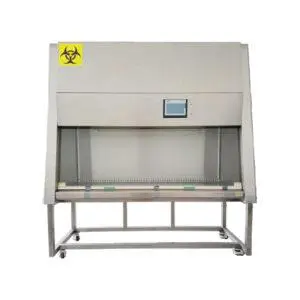
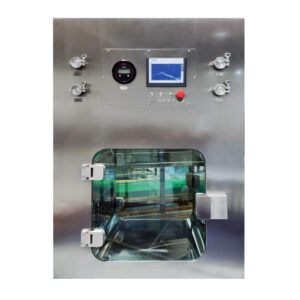
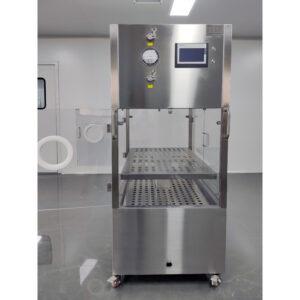
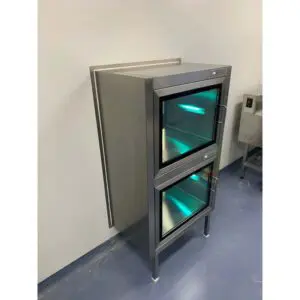
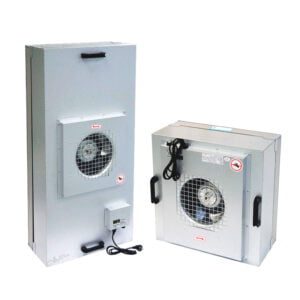
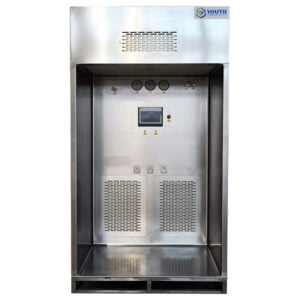
Para as instalações que avaliam as configurações dos estandes com base nesses critérios, o Cabine de distribuição, cabine de amostragem e cabine de pesagem A linha de produtos serve como referência para avaliar como as diferentes configurações lidam com os estágios de filtragem, as opções de tela de contenção e o projeto do fluxo de ar nos diversos níveis de OEB.
A postura mais sensata antes de adquirir uma cabine de pesagem é aquela em que a classificação OEB seja confirmada, o OEL relevante seja identificado, o método de limpeza seja selecionado e as interfaces mecânicas sejam definidas — tudo isso antes que a cotação do fornecedor se torne uma especificação definitiva. Cada um desses fatores altera algum aspecto do projeto do equipamento, e as alterações feitas após a emissão do pedido de compra custam mais do que o tempo economizado ao acelerar a revisão inicial.
O que deve ser confirmado antes da aprovação definitiva: que o departamento de Saúde, Segurança e Meio Ambiente (EHS) tenha emitido uma classificação de risco vinculativa para o material; que a classificação tenha sido analisada com base no limite real de exposição do operador, e não apenas em um intervalo interno; que o método de limpeza e a estratégia de troca de filtros tenham sido especificados por escrito; e que todas as interfaces relacionadas ao sistema de climatização (HVAC) e ao escoamento tenham sido acordadas com a equipe de engenharia predial. Se qualquer um desses quatro elementos ainda estiver pendente, a especificação não estará pronta para a aquisição.
Perguntas frequentes
P: E se ainda não tivermos uma classificação formal da OEB para um novo composto porque os dados toxicológicos estão incompletos?
R: Atribua uma faixa preliminar conservadora de OEB (normalmente OEB 4) em colaboração com a equipe de Segurança, Saúde e Meio Ambiente (EHS) e projete a cabine de acordo com esse nível de contenção para o pior cenário possível. Isso evita que se fixe uma especificação que mais tarde se revele insuficiente, enquanto um marco formal de revisão de riscos antes da qualificação operacional permite que a classificação seja atualizada sem alterações no hardware.
P: Depois de confirmarmos o OEB, o OEL e o método de limpeza, quais critérios específicos de desempenho devemos incluir na solicitação de cotação do fornecedor?
R: Especifique o limite de exposição do operador-alvo que a cabine deve cumprir comprovadamente, a configuração exigida da tela de contenção, o acesso seguro ao compartimento do filtro para troca, a compatibilidade do material da superfície com seus agentes de limpeza e a documentação a ser entregue para o IQ/OQ. Isso traduz a avaliação de riscos em requisitos técnicos verificáveis e evita expectativas incompatíveis durante o comissionamento.
P: Trabalhamos com APIs líquidas e sólidos que não geram poeira. A mesma lógica de contenção baseada no OEB se aplica?
R: Não – as recomendações deste artigo se destinam ao manuseio de pós em suspensão. No caso de líquidos ou materiais que não geram poeira, a exposição a partículas em suspensão no ar é mínima; portanto, uma cabine de fluxo descendente pode não ser a medida de controle adequada. Em vez disso, avalie o uso de dispositivos de transferência em sistema fechado ou ventilação por exaustão local, com base na pressão de vapor e nos riscos de contato direto.
P: No caso de um composto OEB 4, quando devemos fazer a transição de uma cabine de fluxo descendente de alta contenção para um isolador?
R: Recorra a um isolador quando a exposição média ponderada no tempo estimada, utilizando uma cabine de fluxo descendente com proteções reforçadas, ainda exceder seu OEL, ou quando os tamanhos dos lotes e a duração das tarefas forem grandes o suficiente para que a presença do operador na cabine não possa ser mantida dentro de limites seguros. Para manuseio em pequena escala com tarefas curtas, uma cabine de fluxo descendente de alta contenção pode ser suficiente; para um volume de produção maior, isoladores ou sistemas de dosagem fechados oferecem a proteção necessária.
P: O custo adicional de um estande flexível para vários produtos se justifica se, atualmente, comercializamos apenas uma família de produtos?
R: Isso raramente se justifica. Uma cabine específica para um produto reduz a complexidade da validação de limpeza, o custo de capital e o risco de auditorias para um único perfil de risco. Invista em uma cabine flexível somente se você tiver um portfólio confirmado de produtos que abranja diferentes faixas de OEB nos próximos 3 a 5 anos, pois adaptar uma cabine dedicada posteriormente é muito mais caro e causador de interrupções.