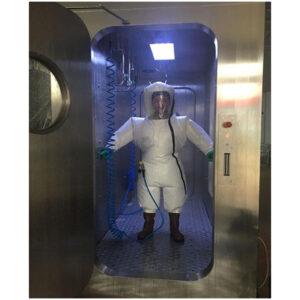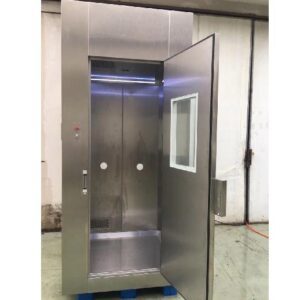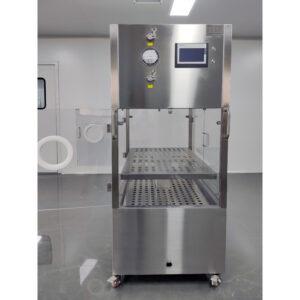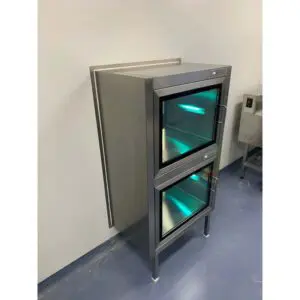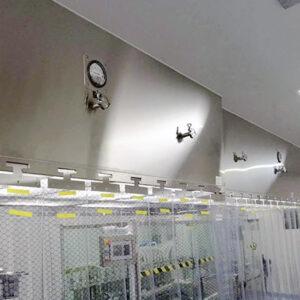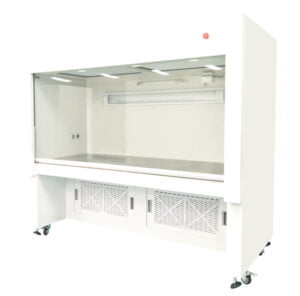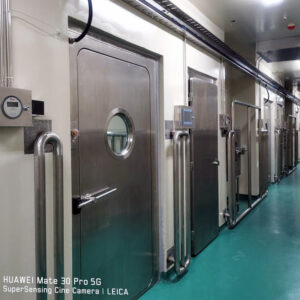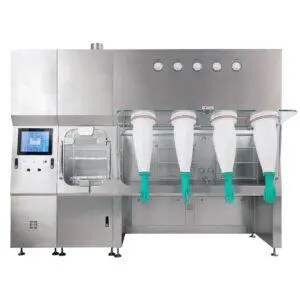
Le carenze nella qualificazione dei fornitori raramente emergono già in fase di preventivo. Vengono alla luce al momento della messa in servizio, quando i pacchetti IQ/OQ/PQ arrivano incompleti, oppure durante la prima ispezione normativa, quando non è possibile produrre i registri di integrità dei filtri HEPA e i registri di monitoraggio ambientale relativi alle apparecchiature già installate. A quel punto, la procedura di approvvigionamento è già conclusa, i costi di installazione sono stati impegnati e l’unico margine di tempo per le rettifiche è rappresentato dalla tempistica di validazione stessa. La decisione che permette di evitare tutto ciò non consiste nello scegliere il fornitore giusto in base al prezzo o alla reputazione, bensì nel definire quali prove, documentazione e ambito tecnico debbano essere confermati prima che un fornitore passi dallo stato di candidato a quello di fornitore approvato. Quanto segue offre ai team di controllo qualità, ingegneria e approvvigionamento una base strutturata per formulare tale giudizio prima che inizi il confronto tra le offerte.
Dati relativi alle qualifiche da tenere in considerazione prima di confrontare i preventivi
Avviare la negoziazione dei prezzi prima di aver raccolto la documentazione relativa ai requisiti di qualificazione è un errore di sequenza che si aggrava in seguito. Una volta che un fornitore viene preferito in base al costo, aumenta la pressione a chiudere un occhio sulle lacune nella documentazione — e tali lacune, che avrebbero potuto comportare l’esclusione in fase di preselezione, diventano concessioni negoziali in fase di approvazione.
La prassi da seguire consiste nel considerare la qualificazione come una verifica preliminare all’impegno, non come una formalità successiva alla selezione. Prima che un fornitore giunga alla fase di confronto dei preventivi, è necessario richiedere ed esaminare i seguenti documenti: certificato del sistema di gestione della qualità (QMS), certificato di classificazione della camera bianca, registrazioni relative al monitoraggio ambientale degli ultimi sei mesi, sintesi del pacchetto di validazione, procedura operativa standard (SOP) sulla tracciabilità dei lotti, registro delle azioni correttive e preventive (CAPA) relativo agli ultimi dodici mesi, registro del controllo delle modifiche relativo agli ultimi dodici mesi e sintesi dei registri di formazione. Questi documenti non sono universalmente richiesti nella stessa forma da tutte le autorità di regolamentazione — fungono da requisito di raccolta pre-audit che consente al vostro team di valutare a distanza la preparazione del fornitore prima di dedicare tempo all’audit in loco.
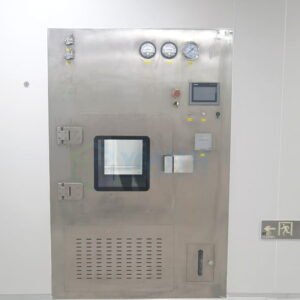
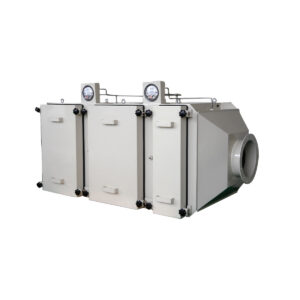
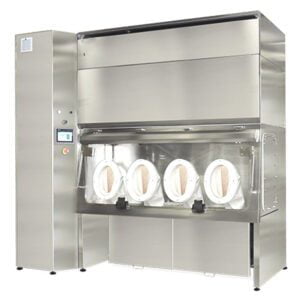
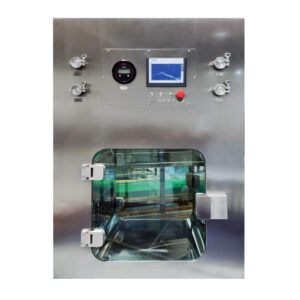
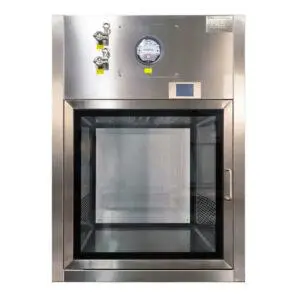
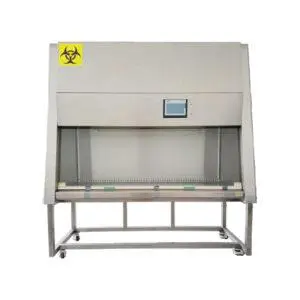
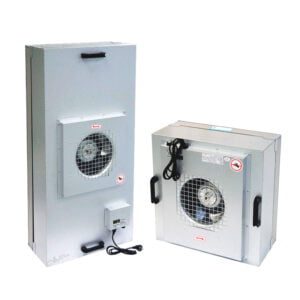
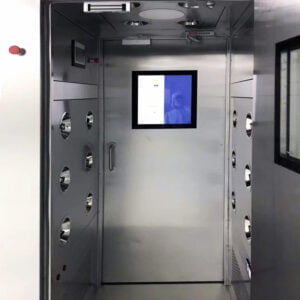
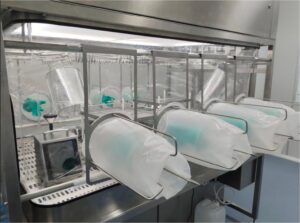
Per le apparecchiature soggette a obblighi di convalida — unità a flusso laminare, cabine di dosaggio, pass box con cicli di decontaminazione — la documentazione relativa a DQ/IQ/OQ/PQ dovrebbe essere esplicitamente richiesta come parte di questo pacchetto pre-audit, insieme ai manuali d’uso e ai registri di manutenzione. Un fornitore che non sia in grado di presentarli nella fase di qualificazione non sarà certo più disponibile a fornirli dopo l’emissione dell’ordine di acquisto. Il costo per verificarlo prima del confronto dei preventivi consiste in una richiesta strutturata di documentazione; il costo per verificarlo in seguito è un ritardo nel programma di validazione.
Prove relative al sistema di gestione della qualità (QMS) rispetto alle prove relative alle camere bianche specifiche per le apparecchiature
Un certificato ISO 9001 attesta che un fornitore dispone di un sistema di gestione della qualità documentato. Non garantisce, tuttavia, che le apparecchiature da lui prodotte siano realizzate in un ambiente controllato di camera bianca, che i livelli di particelle post-produzione siano gestiti, né che le superfici a contatto con il prodotto siano state sottoposte a validazione della sterilizzazione. Considerare la certificazione del sistema di gestione della qualità (SGQ) come prova sufficiente della preparazione del fornitore per le apparecchiature critiche per le camere bianche è uno degli errori più ricorrenti nei processi di approvazione dei fornitori — e tende a rimanere nascosto fino alla messa in servizio o all’ispezione.
Il divario è di natura strutturale. I moduli standard di audit ISO 9001 sono concepiti in funzione del controllo generale dei processi, non delle specificità delle camere bianche. Possono chiedere informazioni superficiali sulla classe della camera bianca, ma non richiedono certificati di classificazione delle camere bianche, registrazioni della pressione differenziale o registri di monitoraggio ambientale relativi a sei mesi. Non affrontano la convalida degli imballaggi per la protezione dalla contaminazione durante il trasporto, né verificano se gli strumenti analitici utilizzati nella produzione dispongano di documentazione IQ/OQ/PQ con registri di calibrazione mantenuti secondo le GMP. L’ICH Q10 stabilisce l’aspettativa che un sistema di qualità farmaceutico regoli i controlli sui fornitori lungo l’intera catena di approvvigionamento — ma le prove richieste per soddisfare tale aspettativa per attrezzature per camera bianca va oltre ciò che emerge da un audit standard del sistema di gestione della qualità.
Ogni ambito in cui la copertura del Sistema di Gestione della Qualità (SGQ) risulta insufficiente corrisponde a un requisito probatorio specifico che deve essere soddisfatto separatamente.
| Dimensione delle prove | Ambito tipico di un audit del sistema di gestione della qualità (ISO 9001) | Documentazione richiesta relativa alle attrezzature per camere bianche |
|---|---|---|
| Controllo dell'ambiente di produzione | Controlli generali dell'impianto, temperatura/umidità | Classificazione delle camere bianche, registrazioni della pressione differenziale, registri di monitoraggio ambientale |
| Controllo delle particelle in post-produzione | Non viene solitamente trattato | Convalida del confezionamento, dati dei test sulle particelle dopo la produzione |
| Convalida del confezionamento | A maggio si potrebbero rivedere le procedure generali relative agli imballaggi | Convalida degli imballaggi compatibili con le camere bianche, protezione dalla contaminazione durante il trasporto |
| Garanzia di sterilità | Procedure di base per la sterilità, qualora le indicazioni del prodotto lo richiedano | Rapporti di convalida della sterilizzazione, protocolli di separazione tra prodotti sterili e non sterili |
| Qualificazione degli strumenti analitici | Documentazione relativa alla taratura | Documentazione IQ/OQ/PQ, registri di taratura e manutenzione redatti in conformità alle GMP |
| Certificazione e monitoraggio delle camere bianche | Potrebbe richiedere una classificazione della camera bianca a livello superficiale | Certificato di classificazione della camera bianca, registrazioni relative al monitoraggio ambientale degli ultimi 6 mesi |
| Convalida della sterilizzazione | Non richiesto nell'audit standard del sistema di gestione della qualità (SGQ) | Rapporti di convalida della sterilizzazione per le superfici a contatto con il prodotto |
In pratica, ciò significa che un fornitore può superare un audit basato sulla norma ISO 9001 senza fornire alcuna delle prove specifiche relative alle camere bianche riportate nella colonna di destra. I team di controllo qualità che utilizzano moduli di audit standard per i fornitori di attrezzature per camere bianche stanno impiegando lo strumento sbagliato. Il modulo di audit stesso dovrebbe essere rivisto — o integrato — prima di programmare la visita in loco.
Domande relative al controllo qualità e alla progettazione ai fini dell'approvazione dei fornitori
La revisione della documentazione e l’audit in loco svolgono funzioni di verifica diverse. La revisione dei documenti prima dell’audit serve a scremare i fornitori che non sono in grado di fornire prove di base. L’audit in loco verifica se la realtà operativa corrisponde a quanto descritto nei documenti. Nessuna delle due fasi sostituisce l’altra.
Il questionario pre-audit dovrebbe trattare in dettaglio l’ambiente della camera bianca: livello di classificazione, data di ricertificazione, tipo di monitoraggio delle particelle, protocollo di vestizione e frequenza del monitoraggio ambientale. Dovrebbe inoltre affrontare le procedure di separazione tra aree sterili e non sterili, la convalida della sterilizzazione per le superfici a contatto con il prodotto e la tracciabilità dei lotti. Dovrebbe essere richiesta la cronologia delle ispezioni normative degli ultimi tre anni: eventuali non conformità irrisolte emerse da un’ispezione recente incidono sul rischio di approvazione. La documentazione fornita con ciascuna unità — certificati, rapporti di prova, registri di taratura — dovrebbe essere confermata come prassi standard, non come richiesta speciale.
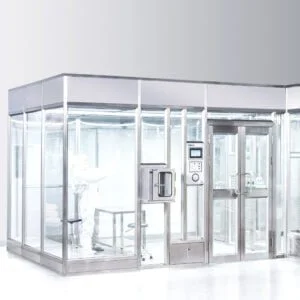
L'Allegato 15 del Volume 4 di EudraLex conferma l'aspettativa che le attività di qualificazione, tra cui IQ, OQ e PQ, siano verificate a livello del fornitore e non ricostruite dall'acquirente dopo la consegna. Ciò significa che la visita in loco dovrebbe includere l'esame dei registri relativi alle prove di integrità dei filtri HEPA, lo stato di calibrazione dei sistemi HVAC e le procedure di collaudo in loco, e non limitarsi a un semplice sopralluogo nell'area di produzione.
| Area di revisione | Domande chiave/Verifiche | Cosa c'è in gioco |
|---|---|---|
| Ambiente in camera bianca | Data di classificazione e ricertificazione, tipo di monitoraggio delle particelle, protocollo di vestizione, frequenza del monitoraggio ambientale | Condizioni non verificate nella camera bianca potrebbero compromettere la qualità del prodotto |
| Separazione tra prodotti sterili e non sterili e sterilizzazione | Convalida della sterilizzazione, procedure di separazione | Rischio di contaminazione e casi di mancata sterilità |
| Documentazione relativa al sistema di qualità | Procedura operativa standard (SOP) per la tracciabilità dei lotti, registro di controllo delle modifiche, registro CAPA (12 mesi), procedura di gestione dei reclami dei clienti, elenco dei fornitori approvati | Perdita di tracciabilità e problemi di qualità irrisolti |
| Verifica delle prestazioni delle apparecchiature | Taratura degli impianti di climatizzazione, verifica dell'integrità dei filtri HEPA, taratura delle apparecchiature critiche, collaudi di accettazione in loco, procedure operative standard (SOP) | Malfunzionamento delle apparecchiature o mancata conformità alle GMP |
| Cronistoria normativa | Cronologia delle ispezioni (3 anni), documentazione relativa alla conformità normativa | Eventuali riscontri normativi irrisolti potrebbero ritardare l'approvazione |
| Documentazione allegata alla spedizione | Certificati e rapporti di prova allegati a ogni spedizione | La mancanza di documenti ritarda l'installazione e la convalida |
| Certificazioni dei materiali | Certificazioni dei materiali per le parti a contatto con il prodotto | Inosservanza di norme sostanziali |
La visita in loco aggiunge un livello di verifica che la revisione della documentazione non può eguagliare: percorrere l’area di produzione per osservare l’effettivo rispetto delle procedure di vestizione, confrontare i misuratori di pressione differenziale con i valori registrati, esaminare le procedure di trasferimento dei materiali e parlare direttamente con gli operatori. Un fornitore la cui documentazione è completa ma le cui condizioni in loco divergono da essa presenta un problema di qualificazione più grave rispetto a uno la cui documentazione è solo leggermente incompleta. L’audit serve proprio a individuare tale discrepanza, e può farlo solo se la revisione dei documenti effettuata prima dell’audit ha già eliminato il lavoro di raccolta dei documenti dal programma in loco.
Ritardo nella selezione dei candidati a causa della mancanza di indicazione della titolarità dei documenti
La causa più comune dei ritardi nella selezione dei documenti non è la loro mancanza, bensì il fatto che nessuno, da nessuna delle due parti, sia stato incaricato di raccoglierli prima della data prevista per l’audit. Quando nel pacchetto pre-audit manca una procedura operativa standard (SOP) sulla tracciabilità dei lotti, un registro CAPA o un registro di controllo delle modifiche, l’audit in loco assorbe il tempo che avrebbe dovuto essere dedicato alla verifica delle capacità. La finestra temporale dell’audit è fissa. Ciò che viene trascurato è proprio la valutazione che conta davvero.
L’ambiguità in materia di responsabilità assume una forma prevedibile. Il reparto QA presume che il fornitore disponga della documentazione e che la fornisca su richiesta. Il fornitore si aspetta che il reparto QA specifichi esattamente cosa è necessario e quando. Nessuna delle due parti conferma esplicitamente l’assegnazione di tale responsabilità. Il risultato è che la richiesta di documentazione arriva in ritardo, il fornitore risponde in modo parziale e l’audit procede con delle lacune che costringono a effettuare visite di follow-up o a prolungare i tempi di approvazione.
La validità dei certificati rappresenta un problema distinto ma correlato. I fornitori che non mantengono aggiornate le certificazioni in linea con le modifiche normative — RoHS, REACH, minerali provenienti da zone di conflitto — potrebbero non segnalare la scadenza dei certificati come un rischio per la qualificazione del fornitore fino a quando il team di approvvigionamento dell’acquirente non lo individua durante la fase di selezione preliminare. A quel punto, le tempistiche di rinnovo dipendono dal fornitore, non dall’acquirente, e il calendario della selezione preliminare rimane in sospeso in attesa di tali tempistiche.
Ciascuna delle lacune comuni in materia di proprietà comporta una conseguenza prevedibile.
| Documento/Certificato | Divario di proprietà | Conseguenze del ritardo nella selezione dei candidati preselezionati |
|---|---|---|
| Procedura operativa standard (SOP) per la tracciabilità dei lotti | Non assegnato a un responsabile specifico della fase preliminare alla revisione | Tempo dedicato alla revisione per richiedere documentazione di base anziché per la verifica delle capacità |
| Registro CAPA (12 mesi) | Non è chiara la titolarità tra QA e fornitore | La mancanza di dati CAPA ritarda la valutazione dei rischi |
| Registro delle modifiche (12 mesi) | Spesso trascurato fino alla visita in loco | La verifica in loco delle modifiche distoglie l'attenzione dalla valutazione della stabilità del processo |
| Certificato del Sistema di Gestione della Qualità | Responsabilità per la valuta non definita | Verifica differita se il certificato non è in corso di validità |
| Certificato di classificazione della camera bianca | Il fornitore potrebbe non effettuare aggiornamenti dopo la ricertificazione | Un certificato scaduto ritarda la conferma della funzionalità della camera bianca |
| Registri di monitoraggio ambientale (6 mesi) | Nessuna titolarità pre-audit | L'assenza costringe a una revisione dei dati in loco, prolungando i tempi della revisione contabile |
| Riepilogo dei record di allenamento | Il reparto QA presume che il fornitore disponga della documentazione; il fornitore si aspetta una richiesta da parte del reparto QA | La mancanza di documenti blocca la valutazione delle qualifiche del personale |
| Certificati normativi (RoHS, REACH, minerali provenienti da zone di conflitto) | Ripartizione della proprietà tra i vari dipartimenti | I certificati scaduti bloccano la selezione dei candidati fino al loro rinnovo |
La risoluzione è di natura procedurale piuttosto che tecnica: assegnare un responsabile specifico per ogni richiesta di documentazione da entrambe le parti prima che venga fissata la scadenza per la presentazione del pacchetto pre-audit. Un elenco di documenti senza l’indicazione di un responsabile specifico costituisce un elenco di rischi, non un piano di raccolta. Per ulteriori dettagli sull’ambito della documentazione a supporto dell’approvazione delle attrezzature negli stabilimenti GMP, il Lista di controllo per la documentazione e la convalida delle apparecchiature per camera bianca conformi alle GMP fornisce un utile riferimento parallelo.
Soglia di approvazione una volta allineate le capacità e le prove
L'approvazione di un fornitore non dovrebbe essere una decisione discrezionale presa al termine di una visita in loco sulla base delle impressioni raccolte. Dovrebbe invece trattarsi di una decisione soggetta a una soglia minima, basata su criteri definiti, confermata da prove specifiche e approvata dalle funzioni competenti prima dell'emissione di un ordine di acquisto.
La soglia di approvazione si compone di due elementi. Il primo è una relazione formale di valutazione dei rischi che sintetizza i risultati degli audit, i punteggi di rischio, i dati sulle prestazioni e l’impatto aziendale, esaminata e approvata dai reparti di controllo qualità, approvvigionamento e alta dirigenza. La norma ICH Q9(R1) sostiene l’uso di una valutazione strutturata dei rischi come meccanismo per sintetizzare la valutazione dei fornitori in una decisione di approvazione difendibile. La seconda componente è un Accordo Tecnico di Qualità firmato che definisce ruoli, criteri di accettazione, obblighi di gestione delle modifiche, diritti di audit e procedure di escalation. Insieme, questi due documenti trasformano le prove allineate in un rapporto vincolante con il fornitore: nessuno dei due è sufficiente da solo.
Le soglie dei KPI utilizzate come criteri di approvazione in questo processo sono valori di progetto, non valori minimi normativi universali. Rappresentano criteri di approvazione misurabili che consentono di valutare il livello di prestazione di base di un fornitore rispetto alle aspettative definite prima dell’avvio del rapporto.
| Indicatore chiave di prestazione | Soglia di approvazione | Cosa conferma |
|---|---|---|
| Tasso di difettosità | ≤ 0% | Qualità costante dei prodotti |
| Tasso di conformità | 100% | Piena conformità alle norme e alle procedure |
| Consegna puntuale | ≥ 95% | Prestazioni affidabili della catena di approvvigionamento |
| Precisione nell'evasione degli ordini | ≥ 99% | Preparazione accurata degli ordini e spedizione |
| Tasso di chiusura CAPA | 100% entro i tempi concordati | Gestione efficace delle azioni correttive |
La seconda tabella riporta gli elementi di approvazione che devono essere confermati prima della firma definitiva.
| Elemento di approvazione | Cosa occorre confermare | Autorità di approvazione finale |
|---|---|---|
| Relazione formale sulla valutazione dei rischi | Risultati degli audit, punteggi di rischio, dati sulle prestazioni e impatto aziendale: dati consolidati e verificati | Controllo qualità, Approvvigionamento, Alta dirigenza |
| Documentazione completa relativa alle qualifiche | DQ/IQ/OQ/PQ, manuali d'uso, registri di manutenzione, documentazione di conformità tecnica | Controllo qualità, Ingegneria |
| Documento di definizione dell'ambito tecnico | Specifiche tecniche delle attrezzature e ambito di fornitura definiti | Progettazione, Approvvigionamento |
| Elenco dei documenti verificati | Tutti i documenti richiesti sono stati raccolti e sono completi | Controllo qualità, Approvvigionamento |
| Contatto per l'escalation confermato | Referenti designati per eventuali problemi durante l'esecuzione del progetto | Approvvigionamento, Fornitore |
| Accordo tecnico di qualità firmato | Definizione di ruoli, criteri di accettazione, gestione delle modifiche, diritti di audit e procedure di escalation | Controllo qualità, Fornitore (dichiarazione legale) |
Una condizione pratica modifica il grado di rigore con cui vengono applicate tali soglie: i fornitori che operano per la prima volta e non dispongono di un track record consolidato non possono dimostrare i parametri relativi alle consegne o alla chiusura delle azioni correttive e preventive (CAPA) derivanti da incarichi precedenti. In tal caso, la decisione di approvazione si basa in misura maggiore sui risultati degli audit, sui documenti di qualificazione e sul documento relativo all’ambito tecnico; inoltre, l’Accordo Tecnico di Qualità dovrebbe includere criteri espliciti per la revisione delle prestazioni a intervalli definiti, anziché fare affidamento su un’unica valutazione preliminare all’approvazione.
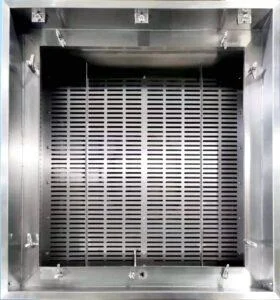
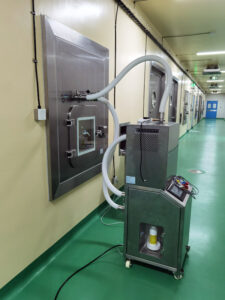
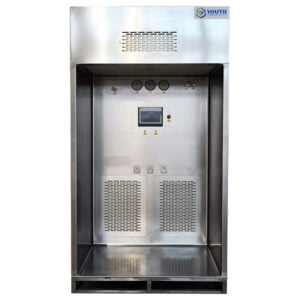
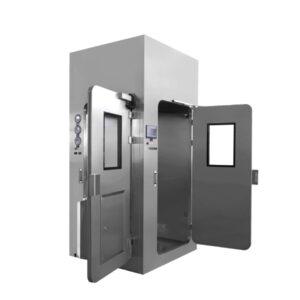
Per le apparecchiature in cui le prestazioni di filtrazione HEPA costituiscono la variabile centrale di convalida — unità a flusso laminare, sistemi di erogazione e stand di degustazione, oppure trasferire attrezzature sottoposte a cicli di decontaminazione quali Scatole di pass VHP — È necessario verificare che la documentazione relativa alla qualificazione e i dati relativi alle prove di integrità dei filtri HEPA siano completi prima della firma del documento che definisce l'ambito tecnico, senza considerarli come elementi da consegnare dopo l'installazione.
La qualificazione dei fornitori funziona quando la soglia di prova viene definita prima che abbia inizio il colloquio di approvazione. Il divario tra un fornitore che sembra qualificato sulla base dei certificati e uno in grado di supportare effettivamente i vostri obblighi in materia di messa in servizio, convalida e controllo delle modifiche non è visibile al momento del confronto dei preventivi: diventa evidente quando mancano i disegni, i pacchetti IQ/OQ/PQ sono incompleti o i registri di integrità dei filtri HEPA non corrispondono alle apparecchiature installate. A quel punto, la decisione di acquisto è già stata presa.
Prima di passare un fornitore dallo stato di “candidato” a quello di “approvato”, assicurarsi che siano tutti disponibili i documenti relativi alla qualificazione, l’ambito tecnico, l’elenco dei documenti con l’indicazione dei responsabili, il referente per l’escalation e un Accordo tecnico di qualità firmato. Tale conferma non è una semplice formalità: costituisce l’unica base giustificabile per la successiva decisione di approvazione.
Domande frequenti
D: Cosa succede se un fornitore che collabora con noi per la prima volta non ha un storico delle consegne o delle prestazioni CAPA da valutare in base agli indicatori chiave di prestazione (KPI) per l'approvazione?
A: La decisione di approvazione si basa sui risultati dell’audit, sui registri di qualificazione e sul documento relativo all’ambito tecnico: gli indicatori chiave di prestazione (KPI) basati sulle prestazioni non possono essere valutati senza una documentazione preventiva relativa all’incarico. In questo caso, l’Accordo Tecnico di Qualità dovrebbe includere criteri espliciti di revisione delle prestazioni a intervalli definiti, in modo che l’accuratezza della consegna, il tasso di difetti e la chiusura delle azioni correttive e preventive (CAPA) siano misurati e rivisti nelle prime fasi del rapporto, anziché essere dati per scontati al momento dell’approvazione.
D: Una volta che un fornitore è stato approvato e l’Accordo tecnico di qualità è stato firmato, qual è il passo successivo da compiere prima di emettere un ordine di acquisto?
A: Verificare che il documento relativo all’ambito tecnico sia stato finalizzato e firmato, che sia stato indicato un referente specifico per l’escalation da entrambe le parti e che l’elenco dei documenti — compreso il pacchetto DQ/IQ/OQ/PQ, i dati relativi al test di integrità dei filtri HEPA e i registri di calibrazione — sia confermato come obbligo di consegna con date di consegna concordate. Questi elementi devono essere definiti in via definitiva prima dell’emissione dell’ordine di acquisto e non devono essere considerati come attività di follow-up successive alla consegna, poiché il programma di convalida dipende dalla loro disponibilità al momento dell’installazione.
D: Questa lista di controllo per la qualificazione si applica allo stesso modo anche ai fornitori di apparecchiature che producono al di fuori di un paese soggetto alle norme GMP?
R: I requisiti relativi alla documentazione e alle prove diventano più rigorosi, non meno, per i fornitori che non rientrano nella vostra giurisdizione normativa. La verifica a distanza dei certificati di classificazione delle camere bianche, dei registri di monitoraggio ambientale e dei dati relativi ai test di integrità dei filtri HEPA è più difficile da convalidare in modo indipendente, e un’autorità di regolamentazione non può facilmente effettuare un audit di tale struttura per vostro conto. L’aspettativa della linea guida ICH Q10, secondo cui i sistemi di qualità farmaceutici devono disciplinare i controlli sui fornitori lungo l’intera catena di approvvigionamento, si applica indipendentemente dalla posizione geografica — il che significa che la revisione documentale pre-audit e l’ambito dell’audit in loco dovrebbero essere ampliati, non ridotti, quando il fornitore opera in una giurisdizione priva di una supervisione GMP equivalente.
D: Esiste un punto in cui l’onere della qualificazione supera i benefici — ad esempio, quando si acquistano materiali di consumo per camere bianche a basso rischio anziché apparecchiature critiche?
R: Sì — il livello di qualificazione deve essere commisurato alla criticità dell’apparecchiatura e al suo ruolo nella vostra strategia di controllo della contaminazione. Un fornitore di materiali di consumo senza contatto utilizzati al di fuori delle zone classificate non necessita degli stessi registri dei test di integrità dei filtri HEPA, dei registri di monitoraggio ambientale o della documentazione di convalida della sterilizzazione richiesti a un fornitore di unità a flusso laminare o di pass box a VHP. Il quadro di riferimento per la gestione del rischio previsto dalla norma ICH Q9(R1) prevede una classificazione graduale delle attività di qualificazione dei fornitori in base all’impatto che un’eventuale non conformità avrebbe sulla qualità del prodotto e sulla sicurezza dei pazienti: applicare la checklist completa in modo uniforme a tutti i fornitori comporta un aumento del carico di lavoro senza una corrispondente riduzione del rischio.
D: Qual è l’indicatore più affidabile del fatto che un fornitore possa causare ritardi nella messa in servizio anche dopo aver superato la revisione documentale preliminare all’audit?
R: Il segnale di rischio più elevato è rappresentato da una documentazione completa accompagnata da condizioni in loco che divergono da essa: letture della pressione differenziale che non corrispondono ai valori registrati, procedure di vestizione che differiscono dal protocollo dichiarato, oppure operatori che non hanno familiarità con le SOP che stanno nominalmente seguendo. Un fornitore con lievi lacune nella documentazione ma con pratiche in loco coerenti rappresenta un rischio di messa in servizio inferiore rispetto a uno la cui documentazione è completa ma il cui reparto di produzione la contraddice. Questa discrepanza è rilevabile solo durante l’audit in loco; ecco perché la revisione dei documenti prima dell’audit deve alleggerire in anticipo il carico di lavoro relativo al recupero dei documenti, in modo che il tempo dell’audit sia dedicato alla verifica operativa piuttosto che alla ricerca dei documenti.