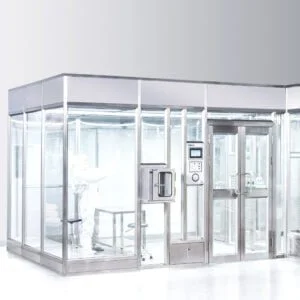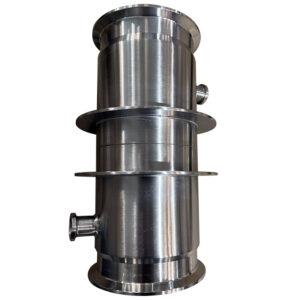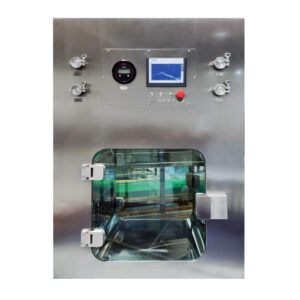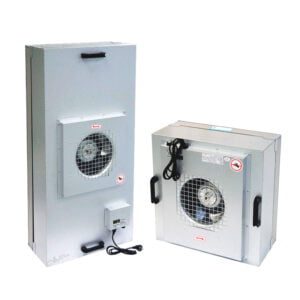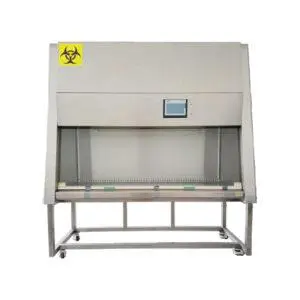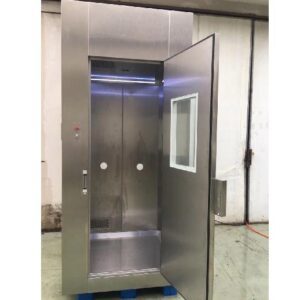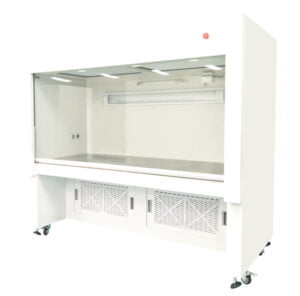
Nieprawidłowości w kwalifikacji dostawców rzadko ujawniają się już na etapie składania ofert. Wychodzą na jaw dopiero podczas uruchamiania, gdy dokumentacja IQ/OQ/PQ jest niekompletna, lub podczas pierwszej kontroli organów regulacyjnych, gdy nie można przedstawić zapisów dotyczących integralności filtrów HEPA ani dzienników monitorowania środowiska dla już zainstalowanego sprzętu. W tym momencie proces zakupowy został już zamknięty, koszty instalacji zostały poniesione, a jedyną szansą na poprawki jest sam harmonogram walidacji. Decyzja, która pozwala temu zapobiec, nie polega na wyborze odpowiedniego dostawcy na podstawie ceny lub reputacji — polega ona na określeniu, jakie dowody, dokumentacja i zakres techniczny muszą zostać potwierdzone, zanim dostawca przejdzie ze statusu kandydata do statusu dostawcy zatwierdzonego. Poniższe informacje dają zespołom ds. zapewnienia jakości, inżynierii i zaopatrzenia ustrukturyzowaną podstawę do podjęcia tej decyzji jeszcze przed rozpoczęciem porównywania ofert.
Dane dotyczące kwalifikacji, które mają znaczenie przed porównaniem ofert
Rozpoczynanie negocjacji cenowych przed zebraniem dokumentacji kwalifikacyjnej stanowi błąd w kolejności działań, który ma poważne konsekwencje w dalszym toku procesu. Gdy dostawca zostanie wybrany ze względu na cenę, rośnie presja, by przymknąć oko na braki w dokumentacji — a braki, które mogłyby skutkować dyskwalifikacją na etapie wstępnej selekcji, stają się przedmiotem ustępstw negocjacyjnych na etapie zatwierdzania.
W praktyce należy traktować kwalifikację jako ocenę przed podjęciem zobowiązania, a nie jako formalność po dokonaniu wyboru. Zanim jakikolwiek dostawca przejdzie do etapu porównania ofert, należy zażądać i przeanalizować następujące dokumenty: certyfikat systemu zarządzania jakością (QMS), certyfikat klasyfikacji pomieszczeń czystych, zapisy z monitoringu środowiskowego z ostatnich sześciu miesięcy, podsumowanie pakietu walidacyjnego, standardowa procedura operacyjna (SOP) dotycząca identyfikowalności partii, rejestr działań korygujących i zapobiegawczych (CAPA) z ostatnich dwunastu miesięcy, rejestr kontroli zmian z ostatnich dwunastu miesięcy oraz podsumowanie dokumentacji szkoleń. Nie wszystkie organy regulacyjne wymagają tych dokumentów w tej samej formie — pełnią one rolę wymogu gromadzenia danych przed audytem, który pozwala zespołowi zdalnie ocenić gotowość dostawcy, zanim poświęci się czas na audyt na miejscu.
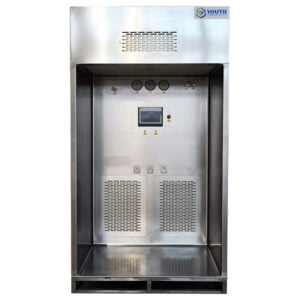
W przypadku urządzeń podlegających obowiązkowi walidacji — urządzeń z przepływem laminarnym, kabin dozujących, komór przekaźnikowych z cyklami dekontaminacji — w ramach pakietu przedaudytowego należy wyraźnie zażądać łańcucha dokumentacji DQ/IQ/OQ/PQ, wraz z instrukcjami obsługi i dokumentacją serwisową. Dostawca, który nie jest w stanie przedstawić tych dokumentów na etapie kwalifikacji, nie dostarczy ich chętniej po wystawieniu zamówienia. Kosztem potwierdzenia tego faktu przed porównaniem ofert jest uporządkowane żądanie dokumentacji. Kosztem potwierdzenia tego faktu po porównaniu ofert jest opóźnienie w harmonogramie walidacji.
Dowody z systemu zarządzania jakością a dowody dotyczące konkretnego sprzętu w pomieszczeniach czystych
Certyfikat ISO 9001 potwierdza, że dostawca posiada udokumentowany system zarządzania jakością. Nie potwierdza on jednak, że produkowany przez niego sprzęt powstaje w kontrolowanym środowisku pomieszczenia czystego, że po zakończeniu produkcji monitorowany jest poziom cząstek ani że powierzchnie mające kontakt z produktem przeszły walidację sterylizacji. Traktowanie certyfikatu systemu zarządzania jakością jako wystarczającego dowodu gotowości dostawcy do dostarczania sprzętu o krytycznym znaczeniu dla pomieszczeń czystych jest jednym z najczęściej powtarzających się błędów w procesach zatwierdzania dostawców — i zazwyczaj pozostaje to niezauważalne aż do momentu uruchomienia lub kontroli.
Luka ta ma charakter strukturalny. Standardowe formularze audytowe ISO 9001 zostały opracowane z myślą o ogólnej kontroli procesów, a nie o specyficznych dla pomieszczeń czystych aspektach. Mogą one zawierać powierzchowne pytania dotyczące klasy pomieszczenia czystego, ale nie wymagają certyfikatów klasyfikacji pomieszczeń czystych, zapisów dotyczących różnicy ciśnień ani sześciomiesięcznych dzienników monitorowania warunków środowiskowych. Nie uwzględniają one walidacji opakowań pod kątem ochrony przed zanieczyszczeniem podczas transportu ani tego, czy urządzenia analityczne wykorzystywane w produkcji posiadają dokumentację IQ/OQ/PQ wraz z dziennikami kalibracji prowadzonymi zgodnie z GMP. Wytyczne ICH Q10 określają oczekiwanie, że system jakości w branży farmaceutycznej reguluje kontrolę dostawców w całym łańcuchu dostaw — jednak dowody wymagane do spełnienia tego oczekiwania w odniesieniu do wyposażenie pomieszczeń czystych wykracza poza to, co ujawnia standardowy audyt systemu zarządzania jakością.
Każdy obszar, w którym zakres systemu zarządzania jakością jest niewystarczający, odpowiada konkretnemu wymogowi dotyczącemu dowodów, które należy zebrać oddzielnie.
| Wymiar dowodowy | Typowy zakres audytu systemu zarządzania jakością (ISO 9001) | Wymagane dowody dotyczące wyposażenia pomieszczeń czystych |
|---|---|---|
| Kontrola środowiska produkcyjnego | Ogólne elementy sterujące w obiekcie, temperatura/wilgotność | Klasyfikacja pomieszczeń czystych, zapisy różnicy ciśnień, dzienniki monitorowania warunków środowiskowych |
| Kontrola cząstek w postprodukcji | Kwestia ta zazwyczaj nie jest poruszana | Walidacja opakowań, dane z badań na obecność cząstek stałych po zakończeniu produkcji |
| Walidacja opakowań | W maju można zapoznać się z ogólnymi procedurami dotyczącymi pakowania | Walidacja opakowań zgodnych z wymogami pomieszczeń czystych, ochrona przed zanieczyszczeniem podczas transportu |
| Zapewnienie sterylności | Podstawowe procedury dotyczące sterylności, jeśli wymagają tego deklaracje dotyczące produktu | Raporty z walidacji sterylizacji, protokoły segregacji produktów sterylnych i niesterylnych |
| Kwalifikacja przyrządów analitycznych | Dokumentacja kalibracji | Dokumentacja IQ/OQ/PQ, dzienniki kalibracji i konserwacji prowadzone zgodnie z GMP |
| Certyfikacja i monitorowanie pomieszczeń czystych | Może poprosić o informację o klasie czystości pomieszczenia w ujęciu ogólnym | Certyfikat klasyfikacji pomieszczenia czystego, 6 miesięcy zapisów z monitoringu warunków środowiskowych |
| Walidacja sterylizacji | Nie jest wymagane podczas standardowego audytu systemu zarządzania jakością | Raporty z walidacji sterylizacji powierzchni mających kontakt z produktem |
W praktyce oznacza to, że dostawca może przejść audyt zgodny z normą ISO 9001 bez przedstawienia żadnego z dowodów dotyczących pomieszczeń czystych wymienionych w prawej kolumnie. Zespoły ds. zapewnienia jakości, które stosują standardowe formularze audytowe wobec dostawców sprzętu do pomieszczeń czystych, korzystają z niewłaściwego narzędzia. Sam formularz audytowy powinien zostać zmieniony — lub uzupełniony — przed zaplanowaniem wizyty na miejscu.
Pytania dotyczące kontroli jakości i kwestii technicznych w ramach procesu zatwierdzania dostawców
Przegląd dokumentacji i audyt na miejscu pełnią różne funkcje weryfikacyjne. Przegląd dokumentów przed audytem pozwala wyeliminować dostawców, którzy nie są w stanie przedstawić podstawowych dowodów. Audyt na miejscu pozwala sprawdzić, czy rzeczywista sytuacja operacyjna jest zgodna z opisem zawartym w dokumentach. Żaden z tych etapów nie zastępuje drugiego.
Kwestionariusz przedaudytowy powinien szczegółowo obejmować warunki panujące w pomieszczeniu czystym: poziom klasyfikacji, datę ponownej certyfikacji, rodzaj monitorowania cząstek, procedurę zakładania odzieży ochronnej oraz częstotliwość monitorowania warunków środowiskowych. Powinien on uwzględniać procedury segregacji materiałów sterylnych i niesterylnych, walidację sterylizacji powierzchni mających kontakt z produktem oraz identyfikowalność partii. Należy zażądać historii kontroli regulacyjnych z ostatnich trzech lat — nierozwiązane ustalenia z ostatniej kontroli mają wpływ na ryzyko związane z uzyskaniem zatwierdzenia. Dokumentacja dostarczana wraz z każdą jednostką — certyfikaty, raporty z badań, protokoły kalibracji — powinna być standardową praktyką, a nie wynikiem specjalnego wniosku.
Załącznik 15 do EudraLex, tom 4, potwierdza oczekiwanie, że działania kwalifikacyjne, w tym IQ, OQ i PQ, są weryfikowane na poziomie dostawcy, a nie odtwarzane przez odbiorcę po dostawie. Oznacza to, że wizyta na miejscu powinna obejmować przegląd dokumentacji z testów integralności filtrów HEPA, stanu kalibracji systemu HVAC oraz procedur testów odbiorczych obiektu — a nie tylko zwiedzanie hali produkcyjnej.
| Obszar audytu | Kluczowe pytania/kontrole | Co jest zagrożone |
|---|---|---|
| Środowisko pomieszczenia czystego | Data klasyfikacji i ponownej certyfikacji, rodzaj monitorowania cząstek, procedura zakładania odzieży ochronnej, częstotliwość monitorowania środowiska | Niesprawdzone warunki panujące w pomieszczeniu czystym mogą negatywnie wpłynąć na jakość produktu |
| Segregacja produktów sterylnych i niesterylnych oraz sterylizacja | Walidacja sterylizacji, procedury segregacji | Ryzyko zanieczyszczenia i naruszenia sterylności |
| Dokumentacja systemu jakości | Standardowa procedura operacyjna dotycząca identyfikowalności partii, rejestr kontroli zmian, rejestr działań korygujących i zapobiegawczych (CAPA) (12 miesięcy), procedura rozpatrywania reklamacji klientów, lista zatwierdzonych dostawców | Utrata możliwości śledzenia oraz nierozwiązane problemy związane z jakością |
| Weryfikacja działania sprzętu | Kalibracja systemów HVAC, test szczelności filtrów HEPA, kalibracja kluczowych urządzeń, testy odbiorcze na miejscu, standardowe procedury operacyjne (SOP) | Awaria sprzętu lub nieprzestrzeganie zasad GMP |
| Historia zmian regulacyjnych | Historia przeglądów (3 lata), dokumentacja dotycząca zgodności z przepisami | Nierozstrzygnięte zastrzeżenia organów regulacyjnych mogą opóźnić wydanie zezwolenia |
| Dokumentacja dołączona do przesyłki | Certyfikaty i protokoły badań dołączane do każdej przesyłki | Brakujące dokumenty opóźniają instalację i walidację |
| Certyfikaty materiałowe | Certyfikaty materiałowe dla elementów mających kontakt z produktem | Nieprzestrzeganie istotnych norm |
Wizyta na miejscu stanowi dodatkowy poziom weryfikacji, którego nie da się odtworzyć poprzez sam przegląd dokumentacji: obchód hali produkcyjnej w celu obserwacji faktycznego przestrzegania zasad zakładania odzieży ochronnej, sprawdzenie wskaźników różnicy ciśnień pod kątem zgodności z zarejestrowanymi wartościami, przegląd procedur przekazywania materiałów oraz bezpośrednie rozmowy z operatorami. Dostawca, którego dokumentacja jest kompletna, ale warunki panujące na miejscu odbiegają od jej treści, ma poważniejszy problem z kwalifikacją niż ten, którego dokumentacja jest nieznacznie niekompletna. Audyt ma na celu wykrycie tej rozbieżności i może to zrobić tylko wtedy, gdy przegląd dokumentacji przed audytem wyeliminował już z harmonogramu wizyty na miejscu konieczność gromadzenia dokumentów.
Opóźnienie w sporządzeniu listy kandydatów z powodu braku informacji o właścicielu dokumentu
Najczęstszą przyczyną opóźnień w sporządzeniu listy kandydatów nie jest brak dokumentów — chodzi o to, że żadna ze stron nie wyznaczyła osoby odpowiedzialnej za ich zebranie przed wyznaczeniem terminu audytu. Gdy w pakiecie przedaudytowym brakuje standardowej procedury operacyjnej dotyczącej identyfikowalności partii, rejestru działań korygujących i zapobiegawczych (CAPA) lub rejestru kontroli zmian, audyt na miejscu pochłania czas, który powinien zostać poświęcony na weryfikację zdolności. Okres audytu jest ustalony. To, co zostaje pominięte, to ocena, która ma rzeczywiste znaczenie.
Niejasność co do odpowiedzialności przybiera przewidywalną formę. Dział kontroli jakości zakłada, że dostawca przechowuje dokumentację i udostępni ją na żądanie. Dostawca oczekuje natomiast, że dział kontroli jakości dokładnie określi, co jest potrzebne i w jakim terminie. Żadna ze stron nie potwierdza tego podziału obowiązków w sposób wyraźny. W rezultacie wniosek o udostępnienie dokumentów spóźnia się, dostawca odpowiada tylko częściowo, a audyt przebiega z lukami, które wymuszają wizyty kontrolne lub wydłużają termin zatwierdzenia.
Aktualność certyfikatów stanowi odrębny, ale powiązany problem. Dostawcy, którzy nie dbają o aktualność certyfikatów w świetle zmian przepisów — RoHS, REACH, minerały z regionów ogarniętych konfliktami — mogą nie traktować wygaśnięcia certyfikatu jako ryzyka związanego z kwalifikacją dostawcy, dopóki zespół ds. zaopatrzenia kupującego nie zidentyfikuje tego problemu podczas tworzenia listy kandydatów. W tym momencie terminy odnowienia certyfikatów zależą od dostawcy, a nie od kupującego, a harmonogram tworzenia listy kandydatów jest uzależniony od nich.
Każda z typowych luk w zakresie własności wiąże się z przewidywalnymi konsekwencjami.
| Dokument/Zaświadczenie | Luka w strukturze własnościowej | Konsekwencje opóźnienia w sporządzeniu listy kandydatów |
|---|---|---|
| Standardowa procedura operacyjna dotycząca identyfikowalności partii | Nie przypisano do konkretnego podmiotu zajmującego się gromadzeniem danych przed audytem | Czas poświęcony podczas audytu na uzyskiwanie podstawowej dokumentacji zamiast na weryfikację zdolności |
| Rejestr CAPA (12 miesięcy) | Niejasna sytuacja dotycząca własności między działem kontroli jakości a dostawcą | Brak danych CAPA opóźnia ocenę ryzyka |
| Rejestr zmian (12 miesięcy) | Często pomijane, dopóki nie dojdzie do wizyty na miejscu | Sprawdzanie zmian na miejscu odwraca uwagę od oceny stabilności procesu |
| Certyfikat systemu zarządzania jakością | Nie określono odpowiedzialności za walutę | Opóźniona weryfikacja w przypadku, gdy certyfikat nie jest aktualny |
| Certyfikat klasyfikacji pomieszczenia czystego | Dostawca może nie aktualizować danych po ponownej certyfikacji | Nieaktualny certyfikat opóźnia potwierdzenie zdolności operacyjnej pomieszczenia czystego |
| Rejestry monitoringu środowiskowego (6 miesięcy) | Brak własności przed audytem | Nieobecność wymusza przegląd danych na miejscu, co wydłuża czas trwania audytu |
| Podsumowanie wyników treningowych | Dział kontroli jakości zakłada, że dostawca prowadzi dokumentację; dostawca oczekuje, że dział kontroli jakości zwróci się z prośbą | Brakujące dane opóźniają ocenę kwalifikacji personelu |
| Certyfikaty zgodności z przepisami (RoHS, REACH, minerały z regionów ogarniętych konfliktami) | Podział własności między poszczególne działy | Wygasłe certyfikaty wstrzymują proces selekcji kandydatów do czasu ich odnowienia |
Rozwiązanie to ma charakter proceduralny, a nie techniczny: przed ustaleniem terminu złożenia pakietu przedaudytowego należy wyznaczyć konkretną osobę odpowiedzialną za każde zgłoszenie dotyczące dokumentacji po obu stronach. Lista dokumentów bez wskazania konkretnej osoby odpowiedzialnej stanowi listę ryzyk, a nie plan gromadzenia dokumentacji. Więcej szczegółów na temat zakresu dokumentacji niezbędnej do zatwierdzenia sprzętu w zakładach działających zgodnie z GMP można znaleźć w Lista kontrolna dokumentacji i walidacji urządzeń do pomieszczeń czystych zgodnych z GMP stanowi przydatne źródło informacji porównawczych.
Próg zatwierdzenia po uzgodnieniu zdolności i dowodów
Zatwierdzenie dostawcy nie powinno być subiektywną decyzją podejmowaną pod koniec wizyty w siedzibie dostawcy na podstawie ogólnych wrażeń. Powinna to być decyzja o spełnieniu określonych kryteriów, potwierdzona konkretnymi dowodami i zatwierdzona przez odpowiednie działy przed wystawieniem zamówienia.
Próg zatwierdzenia składa się z dwóch elementów. Pierwszym z nich jest formalny raport z oceny ryzyka, który zawiera wyniki audytu, oceny ryzyka, dane dotyczące wydajności oraz wpływ na działalność firmy; raport ten jest weryfikowany i zatwierdzany przez działy zapewnienia jakości, zaopatrzenia oraz kierownictwo wyższego szczebla. Wytyczne ICH Q9(R1) popierają stosowanie ustrukturyzowanej oceny ryzyka jako mechanizmu pozwalającego na ujęcie wyników oceny dostawcy w uzasadnionej decyzji o zatwierdzeniu. Drugim elementem jest podpisana umowa techniczna dotycząca jakości, która określa role, kryteria akceptacji, obowiązki w zakresie zarządzania zmianami, uprawnienia audytowe oraz procedury eskalacji. Oba te dokumenty razem przekształcają spójne dowody w wiążącą relację z dostawcą — żaden z nich sam w sobie nie jest wystarczający.
Progi wskaźników KPI stosowane jako kryteria zatwierdzenia w tym procesie są wartościami projektowymi, a nie uniwersalnymi minimalnymi wartościami określonymi w przepisach. Stanowią one mierzalne kryteria zatwierdzenia, które pozwalają na ocenę poziomu wydajności dostawcy w odniesieniu do zdefiniowanych oczekiwań przed nawiązaniem współpracy.
| Kluczowy wskaźnik wydajności | Próg zatwierdzenia | Co potwierdza |
|---|---|---|
| Współczynnik defektów | ≤ 0% | Stała jakość produktów |
| Wskaźnik zgodności | 100% | Pełna zgodność z przepisami i procedurami |
| Terminowa dostawa | ≥ 95% | Niezawodne funkcjonowanie łańcucha dostaw |
| Dokładność realizacji zamówień | ≥ 99% | Precyzyjna kompletacja zamówień i wysyłka |
| Wskaźnik zamknięć CAPA | 100% w uzgodnionym terminie | Skuteczne zarządzanie działaniami korygującymi |
W drugiej tabeli przedstawiono elementy zatwierdzenia, które należy potwierdzić przed ostatecznym zatwierdzeniem.
| Element zatwierdzenia | Co należy potwierdzić | Uprawnienia do zatwierdzania |
|---|---|---|
| Formalny raport z oceny ryzyka | Wyniki audytu, oceny ryzyka, dane dotyczące wyników oraz wpływ na działalność – skonsolidowane i zweryfikowane | Kontrola jakości, zaopatrzenie, kierownictwo wyższego szczebla |
| Pełna dokumentacja kwalifikacyjna | DQ/IQ/OQ/PQ, instrukcje obsługi, dokumentacja serwisowa, dowody zgodności technicznej | Kontrola jakości, Inżynieria |
| Dokument określający zakres techniczny | Określone specyfikacje sprzętu i zakres dostawy | Inżynieria, zaopatrzenie |
| Lista dokumentów zweryfikowana | Wszystkie wymagane dokumenty zostały zebrane i są kompletne | Kontrola jakości, Zaopatrzenie |
| Potwierdzono kontakt w sprawie eskalacji | Osoby wyznaczone do kontaktów w sprawach związanych z realizacją projektu | Zamówienia, dostawcy |
| Podpisano umowę dotyczącą jakości technicznej | Zdefiniowano role, kryteria akceptacji, zarządzanie zmianami, uprawnienia audytowe oraz procedury eskalacji | Kontrola jakości, dostawca (oświadczenie prawne) |
Istnieje jeden praktyczny warunek, który wpływa na to, jak rygorystycznie stosuje się te progi: dostawcy współpracujący po raz pierwszy, którzy nie mają jeszcze udokumentowanych wyników, nie mogą przedstawić wskaźników dotyczących realizacji dostaw ani zamknięcia działań CAPA z poprzednich zleceń. W takim przypadku decyzja o zatwierdzeniu opiera się w większym stopniu na ustaleniach z audytu, dokumentacji kwalifikacyjnej oraz dokumencie określającym zakres techniczny — a umowa techniczna dotycząca jakości powinna zawierać wyraźnie określone warunki przeprowadzania przeglądów wyników w ustalonych odstępach czasu, zamiast opierać się wyłącznie na pojedynczej ocenie przed zatwierdzeniem.
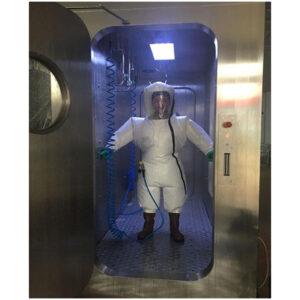
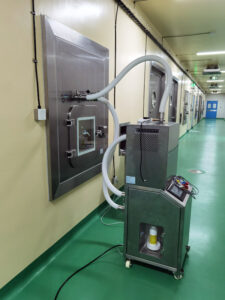
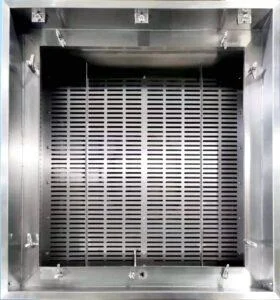
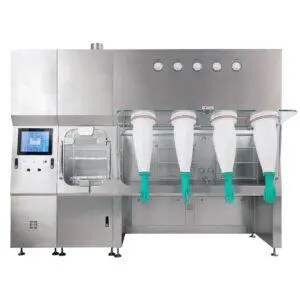
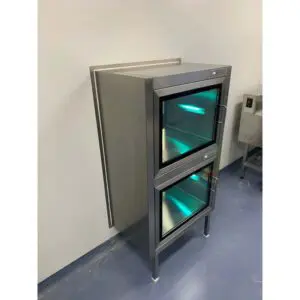
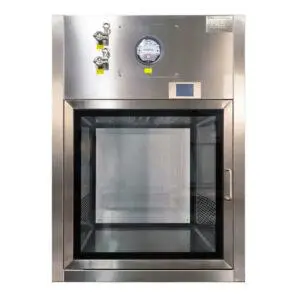
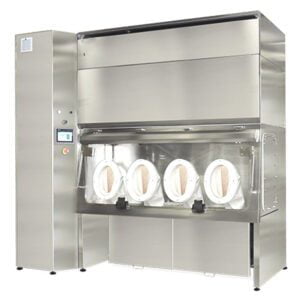
W przypadku urządzeń, w których skuteczność filtracji HEPA stanowi główną zmienną walidacyjną — urządzenia z przepływem laminarnym, dozowniki oraz stoiska z próbkami, lub sprzęt do przenoszenia wyposażony w cykle odkażania, takie jak Skrzynki przepustek VHP — przed podpisaniem dokumentu określającego zakres prac technicznych należy sprawdzić, czy dokumentacja kwalifikacyjna oraz dane z testów szczelności filtrów HEPA są kompletne; nie należy traktować ich jako elementów dostawy po zakończeniu montażu.
Kwalifikacja dostawców przebiega skutecznie, gdy próg wymaganych dowodów zostanie określony przed rozpoczęciem rozmów dotyczących zatwierdzenia. Różnica między dostawcą, który na podstawie certyfikatów wydaje się spełniać wymagania, a tym, który faktycznie jest w stanie sprostać obowiązkom związanym z uruchomieniem, walidacją i kontrolą zmian, nie jest widoczna na etapie porównywania ofert — ujawnia się ona dopiero wtedy, gdy brakuje rysunków technicznych, pakiety IQ/OQ/PQ są niekompletne lub protokoły integralności filtrów HEPA nie odpowiadają zainstalowanemu sprzętowi. Na tym etapie decyzja dotycząca zamówienia została już podjęta.
Przed przeniesieniem dostawcy z kategorii „kandydat” do kategorii „zatwierdzony” należy upewnić się, że dostępne są dokumenty potwierdzające kwalifikacje, zakres techniczny, wykaz dokumentów wraz z wyznaczonymi osobami odpowiedzialnymi, dane kontaktowe osoby do spraw eskalacji oraz podpisana umowa techniczno-jakościowa. Potwierdzenie to nie jest czystą formalnością — stanowi jedyną uzasadnioną podstawę dla podjętej następnie decyzji o zatwierdzeniu.
Często zadawane pytania
Pytanie: Co się stanie, jeśli dostawca, który współpracuje z nami po raz pierwszy, nie ma historii dostaw ani wyników w zakresie działań CAPA, na podstawie których można by ocenić, czy spełnia kluczowe wskaźniki efektywności (KPI) wymagane do zatwierdzenia?
O: Decyzja o zatwierdzeniu opiera się na wynikach audytu, dokumentacji kwalifikacyjnej oraz dokumencie określającym zakres techniczny — wskaźniki KPI oparte na wynikach nie mogą być oceniane bez wcześniejszej dokumentacji dotyczącej współpracy. W tym przypadku umowa techniczna dotycząca jakości powinna zawierać jasno określone warunki uruchamiania przeglądów wyników w ustalonych odstępach czasu, tak aby dokładność dostaw, wskaźnik wadliwości oraz zamknięcie działań CAPA były mierzone i weryfikowane na wczesnym etapie współpracy, a nie traktowane jako założone w momencie zatwierdzenia.
Pytanie: Po zatwierdzeniu dostawcy i podpisaniu umowy technicznej dotyczącej jakości, jaki jest najbliższy krok, który należy podjąć przed wystawieniem zamówienia?
A: Należy upewnić się, że dokument określający zakres techniczny został sfinalizowany i podpisany, że po obu stronach odnotowano wyznaczoną osobę kontaktową ds. eskalacji oraz że lista dokumentów — w tym pakiet DQ/IQ/OQ/PQ, dane z testów szczelności filtrów HEPA oraz protokoły kalibracji — została potwierdzona jako zobowiązanie dostawcze wraz z uzgodnionymi terminami przekazania. Kwestie te należy ustalić przed wystawieniem zamówienia, a nie traktować jako działania następcze po dostawie, ponieważ harmonogram walidacji zależy od ich dostępności w momencie instalacji.
Pytanie: Czy ta lista kontrolna dotycząca kwalifikacji ma takie samo zastosowanie do dostawców sprzętu, którzy prowadzą produkcję poza krajem podlegającym przepisom GMP?
O: Wymagania dotyczące dokumentacji i dowodów stają się bardziej rygorystyczne, a nie mniej, w przypadku dostawców spoza Państwa jurysdykcji regulacyjnej. Zdalna weryfikacja certyfikatów klasyfikacji pomieszczeń czystych, zapisów z monitoringu środowiskowego oraz danych z testów szczelności filtrów HEPA jest trudniejsza do niezależnego potwierdzenia, a organ regulacyjny nie może z łatwością przeprowadzić audytu tego obiektu w Państwa imieniu. Oczekiwanie określone w wytycznych ICH Q10, zgodnie z którym farmaceutyczne systemy jakości regulują kontrole dostawców w całym łańcuchu dostaw, ma zastosowanie niezależnie od położenia geograficznego — co oznacza, że zakres przeglądu dokumentacji przed audytem oraz zakres audytu na miejscu powinny zostać rozszerzone, a nie ograniczone, gdy dostawca prowadzi działalność w jurysdykcji bez równoważnego nadzoru w zakresie GMP.
Pytanie: Czy istnieje punkt, w którym obciążenie związane z kwalifikacją przewyższa korzyści — na przykład w przypadku zamawiania materiałów eksploatacyjnych do pomieszczeń czystych o niższym ryzyku zamiast sprzętu o krytycznym znaczeniu?
O: Tak — zakres kwalifikacji powinien być dostosowany do stopnia krytyczności sprzętu oraz jego roli w strategii kontroli zanieczyszczeń. Dostawca bezkontaktowych materiałów eksploatacyjnych stosowanych poza strefami klasyfikowanymi nie musi posiadać takich samych zapisów z testów integralności filtrów HEPA, dzienników monitorowania środowiska ani dokumentacji walidacji sterylizacji, jak dostawca urządzeń z laminarnym przepływem powietrza lub komór przepustowych VHP. Ramy zarządzania ryzykiem określone w wytycznych ICH Q9(R1) przewidują zróżnicowanie zakresu kwalifikacji dostawców w zależności od wpływu, jaki awaria miałaby na jakość produktu i bezpieczeństwo pacjentów — stosowanie pełnej listy kontrolnej w sposób jednolity wobec wszystkich dostawców zwiększa nakład pracy bez proporcjonalnego zmniejszenia ryzyka.
Pytanie: Jaki jest najbardziej wiarygodny sygnał wskazujący, że dostawca może spowodować opóźnienia w uruchomieniu, nawet po pozytywnym przejściu wstępnej weryfikacji dokumentacji?
O: Sygnałem wskazującym na najwyższe ryzyko jest kompletny pakiet dokumentacji, któremu towarzyszą warunki panujące na miejscu, odbiegające od zawartych w niej informacji — odczyty ciśnienia różnicowego niezgodne z zarejestrowanymi wartościami, praktyki dotyczące zakładania odzieży ochronnej odbiegające od określonego protokołu lub operatorzy niezaznajomieni ze standardowymi procedurami operacyjnymi (SOP), których rzekomo przestrzegają. Dostawca z niewielkimi brakami w dokumentacji, ale spójnymi praktykami na miejscu, stanowi mniejsze ryzyko podczas uruchomienia niż ten, którego dokumentacja jest kompletna, ale sytuacja na hali produkcyjnej jest z nią sprzeczna. Rozbieżność tę można wykryć jedynie podczas audytu na miejscu, dlatego przegląd dokumentacji przed audytem musi z wyprzedzeniem wyeliminować obciążenie związane z wyszukiwaniem dokumentów, tak aby czas audytu poświęcić na weryfikację operacyjną, a nie na poszukiwanie dokumentacji.