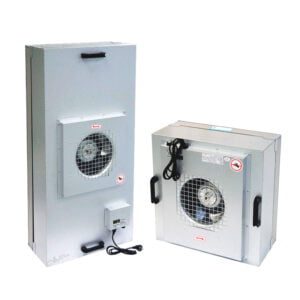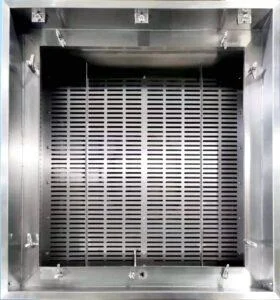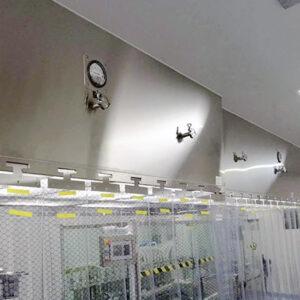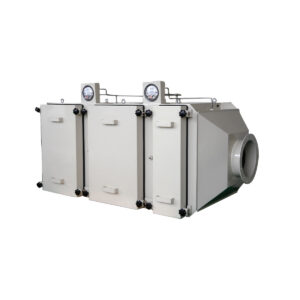
Când un FFU dacă se constată o scădere a debitului de aer sau o creștere a căderii de presiune, riscul financiar al unei decizii greșite revine celui care aprobă reparația. Înlocuirea unui filtru care nu a reprezentat niciodată problema face ca intervenția să fie inutilă și lasă defectul real nerezolvat; înlocuirea unei unități întregi atunci când o simplă intervenție la filtru sau la motor ar fi restabilit funcționarea generează costuri și perturbări pe care dovezile nu le justificau. Decizia se bazează pe ceea ce arată dovezile cu privire la defect, nu pe durata de funcționare a unei componente.
Analizați modificările de performanță înainte de a alege o piesă de schimb
O modificare a performanței unei unități FFU reprezintă un semnal, nu un diagnostic. Scăderea debitului de aer, creșterea diferenței de presiune sau declanșarea unei alarme indică, fiecare în parte, faptul că un aspect al comportamentului de funcționare al unității s-a abătut de la valorile cerute, dar niciunul dintre aceste semnale, luat separat, nu identifică componenta care a provocat această abatere. În cazul în care echipa de întreținere a instalației consideră un singur simptom drept justificare suficientă pentru o reparație specifică, intervenția aleasă s-ar putea să nu corespundă defecțiunii reale, iar problema de fond poate persista chiar și după efectuarea lucrărilor de întreținere.
Secvența de diagnosticare este importantă deoarece o FFU este un sistem format din componente care interacționează: un mediu filtrant, un ansamblu de ventilator sau motor, elemente de comandă și senzori, garnituri de etanșare și carcasă. O modificare a unei componente schimbă comportamentul măsurat la nivelul unității, dar același comportament măsurat poate fi determinat de mai multe componente. Dacă prima măsură a cititorului este să coreleze schimbarea observată cu posibilele zone defecte, în loc să se bazeze automat pe elementul cel mai familiar sau cel mai frecvent înlocuit, secvența care urmează restrânge cauza reală înainte ca vreo componentă să fie modificată.
De aceea, datele privind tendințele au o valoare diagnostică mai mare decât o singură măsurătoare. O singură măsurătoare a presiunii sau a debitului de aer confirmă doar faptul că unitatea se abate de la punctul de funcționare necesar în acel moment. O tendință — presiunea și debitul de aer monitorizate pe durata de viață a unității, împreună cu istoricul alarmelor și observațiile de întreținere — arată forma și ritmul schimbării. O creștere treptată și progresivă a căderii de presiune, însoțită de o scădere treptată corespunzătoare a debitului de aer, indică o categorie de defecțiuni diferită față de o schimbare bruscă care coincide cu un eveniment de alarmă sau cu o acțiune specifică de întreținere. În cazul în care schimbarea este treptată și se limitează la debit și presiune, încărcarea filtrului devine una dintre mai multe explicații posibile, care trebuie totuși diferențiate de cauzele legate de ventilator, motor, sistem de control, senzor, garnitură și carcasă. În cazul în care schimbarea este bruscă și legată de o alarmă sau de un eveniment specific, procesul de diagnosticare începe din altă parte.
Condiția pe care cititorul trebuie să o verifice înainte de a continua este dacă datele disponibile (evoluția presiunii, evoluția debitului de aer, istoricul alarmelor, observațiile de întreținere) acoperă efectiv perioada și parametrii necesari pentru a distinge aceste cauze. Dacă unitatea FFU nu a fost echipată cu instrumente de măsurare sau nu s-au înregistrat date într-un mod care să permită această comparație, prima sarcină este stabilirea bazei de dovezi, nu selectarea unei componente care să fie înlocuită.
Distingerea problemelor legate de încărcarea filtrului de cele legate de motor, comenzi, senzori, garnituri și carcasă
| Zona defectă care trebuie izolată | Chestiunea privind probele înainte de înlocuire | Limita deciziei asistate |
|---|---|---|
| Încărcarea filtrului | Tendințele privind presiunea și debitul de aer indică o încărcare a filtrului sau o altă defecțiune a unității FFU? | Înlocuiți filtrul numai atunci când dovezile indică faptul că acesta este cauza problemei. |
| Starea ventilatorului sau a motorului | Tendințele de funcționare și observațiile privind întreținerea indică o defecțiune la ventilator sau la motor? | Luați în considerare intervenția la motor numai după ce ați exclus ca această defecțiune să fie cauzată de filtru, sistemul de comandă, senzor, garnitură sau carcasă. |
| Comenzi sau senzor | Istoricul alarmelor și observațiile privind întreținerea indică o defecțiune a sistemului de control sau a senzorului? | Un rezultat al verificării sau al senzorului nu justifică, în sine, înlocuirea filtrului sau a întregii unități FFU. |
| Integritatea garniturii sau a carcasei | Observațiile de întreținere și dovezile de integritate relevante indică prezența unei defecțiuni la nivelul garniturii sau al carcasei? | Nu trageți concluzii cu privire la încărcarea filtrului doar pe baza pierderii de debit de aer, atunci când integritatea garniturii sau a carcasei rămâne neclarificată. |
Încărcarea filtrului este un mecanism specific și bine înțeles: pe măsură ce particulele se acumulează pe materialul filtrant, rezistența la fluxul de aer crește, iar dacă ventilatorul nu compensează, debitul de aer furnizat scade, în timp ce căderea de presiune la nivelul filtrului crește. Acest mecanism produce o semnătură recognoscibilă în datele de tendință, dar această semnătură nu este specifică doar încărcării filtrului. Un ventilator care își pierde capacitatea, un motor care funcționează în afara intervalului prevăzut, un sistem de control care s-a abătut de la valoarea de referință, un senzor care raportează valori incorecte sau o breșă la nivelul garniturii sau carcasei care permite un bypass pot produce, fiecare în parte, o modificare a debitului de aer sau a presiunii măsurate care seamănă cu cea pe care ar produce-o încărcarea filtrului.
Acesta este motivul pentru care o etapă de izolare a defecțiunii trebuie să preceadă decizia privind piesele de schimb. Dacă singura dovadă disponibilă este că “debitul de aer a scăzut”, această dovadă susține necesitatea unei investigații, nu a unei înlocuiri. Întrebarea care identifică în mod specific încărcarea filtrului este dacă tendința presiunii și cea a debitului de aer evoluează împreună, în direcția și cu forma caracteristice unei încărcări progresive a filtrului, și dacă alte zone de defecțiune pot fi excluse în mod rezonabil pe baza acelorași dovezi. Dacă istoricul alarmelor indică un eveniment care nu se corelează cu modelul de încărcare sau dacă observațiile de întreținere semnalează o problemă la garnitură sau la carcasă care nu a fost rezolvată, pierderea debitului de aer nu poate fi atribuită filtrului fără a se remedia mai întâi aceste constatări.
În cazul în care programul de întreținere al cumpărătorului a clasificat aceste zone de defecțiune în categorii distincte, cu cerințe de documentare specifice, persoana care ia decizia de înlocuire dispune de formulări care să explice de ce a fost aleasă o anumită soluție în detrimentul alteia și ce dovezi au exclus alternativele. În cazul în care categoriile nu sunt separate, o măsurătoare a debitului de aer, luată izolat, tinde să fie interpretată în funcție de defecțiunea care poate fi remediată cel mai ușor, ceea ce nu garantează că acea defecțiune este cea corectă.
Consecința asupra duratei de viață rămase a unității FFU este directă: o defecțiune a sistemului de control sau a senzorului, care este interpretată ca o înfundare a filtrului și remediată prin înlocuirea acestuia, nu este rezolvată, iar același simptom reapare. O problemă legată de etanșeitatea garniturii sau de integritatea carcasei, care rămâne nediagnosticată din cauza presupunerii că filtrul este înfundat, continuă să afecteze debitul de aer furnizat și diferența de presiune din interiorul unității, indiferent de starea reală a filtrului.
Comparați datele privind tendințele și observațiile de întreținere cu punctul de funcționare necesar
| Fluxul de probe | Comparație de făcut | Ce poate demonstra această comparație |
|---|---|---|
| Evoluția presiunii | Comparați variația de presiune cu punctul de funcționare necesar. | Confirmă o modificare a comportamentului sistemului; nu identifică însă componenta defectă. |
| Evoluția debitului de aer | Comparați variația debitului de aer cu punctul de funcționare necesar. | Confirmă dacă debitul de aer furnizat s-a abătut de la valorile cerute; cauza trebuie încă diagnosticată. |
| Istoric al alarmelor | Verificați alarmele împreună cu variațiile de presiune și de debit de aer. | Arată dacă datele de alarmă confirmă aceeași modificare a performanței; nu identifică o singură zonă de defect. |
| Observații privind întreținerea | Comparați starea componentelor, a garniturilor și a carcasei cu tendințele de funcționare și cu alarmele. | Ajută la identificarea zonei defecte înainte de a alege componenta care trebuie înlocuită. |
Diagnosticul este util doar atunci când este comparat cu un punct de referință. Punctul de funcționare necesar — debitul de aer, presiunea și comportamentul sistemului de alarmă pe care FFU-ul și zona curată în care este instalat trebuie să le mențină — reprezintă referința care transformă datele brute privind tendințele într-o comparație relevantă pentru luarea deciziilor. O tendință a presiunii sau a debitului de aer arată, în sine, o schimbare; însă nu indică, prin ea însăși, dacă acea schimbare a scos unitatea din condițiile necesare sau cât spațiu mai rămâne până când acest lucru se va întâmpla.
Aici cele patru fluxuri de date colaborează, în loc să funcționeze independent. Tendința presiunii, comparată cu punctul de funcționare necesar, arată dacă rezistența a ieșit din intervalul acceptabil pentru acea instalație. Tendința debitului de aer, comparată cu aceeași referință, arată dacă aerul furnizat a scăzut sub nivelul necesar pentru ca încăperea sau zona de lucru să-și mențină performanța prevăzută. Istoricul alarmelor analizat împreună cu aceste două tendințe arată dacă pragurile proprii ale sistemului de control corespund cu ceea ce indică independent datele privind tendințele — concordanța între aceste surse întărește ipoteza privind o anumită zonă de defect, în timp ce neconcordanța semnalează că cel puțin o sursă de date necesită o analiză mai aprofundată înainte de a fi considerată de încredere. Observațiile de întreținere — starea fizică a filtrului, a garniturilor, a carcasei, a ventilatorului și a motorului, așa cum au fost înregistrate în timpul inspecției — oferă contrapartida calitativă a tendințelor cantitative, permițând cititorului să coreleze o schimbare numerică cu o cauză fizică observabilă.
Niciuna dintre aceste patru surse nu este suficientă în sine pentru a realiza comparația cu punctul de funcționare cerut. O instalație care se bazează exclusiv pe istoricul alarmelor va omite o deviere lentă care rămâne sub pragurile de alarmă pentru o perioadă înainte de a le depăși. O instalație care se bazează exclusiv pe observațiile de întreținere poate înregistra o stare fără a ști dacă aceasta a afectat deja punctul de funcționare într-un mod semnificativ. Avantajul comparării tuturor celor patru cu aceeași referință constă în faptul că se face distincția între o modificare care se încadrează în limitele de toleranță ale instalației și o modificare care necesită intervenție, iar acest lucru se realizează înainte ca cititorul să decidă ce componentă trebuie înlocuită.
În cazul în care punctul de funcționare necesar nu a fost definit clar pentru o anumită instalație — adică proiectul nu a specificat ce debit de aer, ce presiune sau ce condiție de alarmă trebuie să mențină unitatea FFU în acea locație — comparația nu poate fi realizată. Această lacună reprezintă tocmai informația de care cititorul are nevoie înainte ca datele privind tendințele și observațiile să poată sta la baza unei decizii de înlocuire.
Alegeți opțiunea de reparație ținând cont de accesibilitate, compatibilitate, riscul asociat procesului și timpul de nefuncționare
| Opțiuni de reparație | Sunt necesare dovezi | Condițiile proiectului urmează a fi confirmate | Limita de decizie |
|---|---|---|---|
| Înlocuiți filtrul | Se constată că încărcarea filtrului este cauza problemei, iar înlocuirea acestuia poate restabili funcționarea corespunzătoare. | Starea, riscul asociat procesului, accesul și testul de integritate aplicabil | Nu folosiți un singur interval de întreținere fix; momentul depinde de aceste condiții. |
| Interveniți asupra motorului | Se identifică problema la ventilator sau la motor, iar intervenția poate restabili funcționarea corespunzătoare. | Accesul la servicii, compatibilitatea, riscurile asociate proceselor și perioadele de nefuncționare | Folosiți această procedură numai după ce ați exclus cauzele legate de filtru, elementul de control, senzor, garnitură și carcasă. |
| Înlocuiți unitatea FFU în întregime | Dovezile privind defecțiunile, compatibilitatea sau accesul la service indică faptul că intervenția asupra filtrului sau a motorului nu va restabili funcționalitatea necesară. | Riscuri legate de procese, acces, compatibilitate și perioade de nefuncționare | Înlocuirea întregii unități necesită aceste dovezi, nu doar constatarea pierderii debitului de aer. |
Odată ce zona defectă a fost izolată și datele privind tendințele au fost comparate cu punctul de funcționare necesar, rămâne de decis care măsură de reparație restabilește acel punct de funcționare cu cea mai mică perturbare a procesului deservit de FFU. Această decizie depinde de condiții care depășesc cadrul diagnosticului de defect în sine: modul în care se poate accesa fizic FFU-ul pentru reparații, dacă componentele de înlocuire sunt compatibile cu unitatea instalată, ce nivel de risc de proces poate tolera operațiunea din jur în timpul intervenției și cât timp de nefuncționare poate suporta zona afectată.
Înlocuirea filtrului reprezintă intervenția cea mai restrânsă, indicată în cazul în care s-a stabilit că încărcarea filtrului este cauza problemei și în care dovezile indică faptul că doar schimbarea filtrului va restabili funcționalitatea necesară. Însă chiar și în cazul în care încărcarea filtrului este confirmată, momentul și modul de înlocuire depind de starea instalației, de riscul asociat procesului din zona deservită, de accesul fizic disponibil pentru efectuarea schimbării și de testul de integritate pe care proiectul îl aplică ulterior. A interval fix de înlocuire nu ține seama de niciuna dintre aceste condiții; o unitate care funcționează în condiții de solicitare mai redusă s-ar putea să nu necesite înlocuirea conform aceluiași program ca una care funcționează în condiții de solicitare mai intensă, iar o unitate utilizată într-un proces cu risc mai ridicat ar putea justifica luarea unor măsuri mai devreme, chiar și în cazul în care doar datele privind solicitarea nu ar impune încă acest lucru.
Intervenția asupra motorului reprezintă un alt tip de lucrare, indicată numai după ce starea ventilatorului sau a motorului a fost izolată de cauzele legate de filtru, sistem de control, senzor, garnitură și carcasă. Înainte de a opta pentru această soluție, cititorul trebuie să se asigure că există un acces de service suficient pentru efectuarea lucrării, că există compatibilitate între intervenție și motorul instalat, precum și cu configurația sistemului de control, să evalueze toleranța la risc a procesului pe perioada în care unitatea FFU nu este pe deplin funcțională și să analizeze timpul de nefuncționare pe care îl va necesita lucrarea în comparație cu ceea ce poate suporta zona respectivă.
Înlocuirea completă a unității FFU reprezintă cea mai amplă intervenție și necesită cele mai solide dovezi: aceasta este justificată numai în cazul în care constatările privind defecțiunile, compatibilitatea sau accesul la service indică faptul că nici schimbarea filtrului, nici o intervenție asupra motorului nu vor restabili funcționalitatea necesară. Pierderea debitului de aer, în sine, nu îndeplinește acest criteriu. În cazul în care configurația motorului unui sistem de control—AC sau EC—influențează modul în care se manifestă o defecțiune și ce tip de acces la service necesită; această distincție determină mai întâi ce amploare a reparației este realistă, înainte de a stabili care este amploarea preferată.
În cazul în care constrângerile legate de acces sau de perioadele de nefuncționare ale unui proiect fac ca intervenția la nivel de componentă să fie imposibilă pentru o anumită instalație, această situație poate determina alegerea înlocuirii întregii unități, chiar și în cazul în care defecțiunea în sine ar fi permis, în alte condiții, o reparație mai restrânsă; aceasta este o chestiune care ține de analizarea situației specifice proiectului, nu o preferință prestabilită pentru una dintre cele două abordări.
Definiți noțiunile de scurgere, debit de aer, presiune, alarmă sau retestarea zonei curate după intervenție
| Posibilă repetare a testului | Menționați acest lucru atunci când intervenția poate avea un impact asupra | Limita probelor |
|---|---|---|
| Testul de etanșeitate sau de integritate a filtrului | Integritatea filtrului, a garniturii sau a carcasei | Utilizați procedura și valorile de acceptare aplicabile; rezumatul domeniului de aplicare al IEST nu furnizează aceste detalii. |
| Testul de debit de aer | Debitul de aer la punctul de funcționare dorit | Definiți acceptabilitatea pornind de la cerințele proiectului; rezumatul ISO furnizat nu stabilește o limită universală. |
| Testul de presiune | Presiunea la punctul de funcționare dorit | Definiți acceptabilitatea pornind de la cerințele proiectului; rezumatul ISO furnizat nu stabilește o limită universală. |
| Verificarea alarmei | Comportamentul alarmei legat de modificările aduse elementelor de comandă, senzorului, ventilatorului sau motorului | Confirmați comportamentul dorit al alarmei pentru proiect, în loc să presupuneți o setare universală. |
| Testul zonei curate afectate | Performanța zonei curate instalate, afectată de intervenție | Alegeți metoda și criteriile de acceptare în funcție de zona afectată; rezumatul ISO furnizat nu stabilește o limită universală pentru proiect. |
Domeniul de aplicare al retestării după o intervenție nu este o listă de verificare fixă; acesta rezultă din ceea ce s-a modificat efectiv și din ceea ce ar putea fi afectat de acea modificare. Înlocuirea unui filtru, o intervenție la motor și înlocuirea completă a unei unități FFU au fiecare un impact diferit asupra elementelor care ar fi putut fi modificate, iar planul de retestare ar trebui să acopere acest impact, mai degrabă decât un set standard de teste aplicat indiferent de lucrările efectuate.
În cazul în care intervenția a afectat filtrul, garnitura sau carcasa, un test de etanșeitate sau de integritate este verificarea relevantă, întrucât acestea sunt elementele care determină dacă limita de filtrare rămâne intactă după finalizarea lucrărilor. IEST-RP-CC034.5 definește domeniul de aplicare al testării etanșeității Filtre HEPA și ULPA la fabrică, înainte de instalare și după instalare; cu toate acestea, procedura, metoda de măsurare și criteriile de acceptare pentru un test specific sunt prevăzute în standardul complet, nu în rezumatul domeniului său de aplicare; procedura aplicabilă proiectului și valorile de acceptare trebuie confirmate pe baza acelui document sau a specificației proprii a proiectului.
În cazul în care intervenția a afectat debitul de aer — fie prin filtru, ventilator sau motor —, un test al debitului de aer în raport cu punctul de funcționare cerut confirmă dacă modificarea a restabilit debitul necesar. Aceeași logică se aplică și în cazul unui test de presiune, atunci când intervenția a afectat rezistența în cadrul unității. IEST-RP-CC036 prezintă domeniul de aplicare al testelor de performanță pentru unitățile de filtrare cu ventilator, fără a oferi, însă, detalii procedurale în rezumat; cititorul are nevoie de standardul de referință sau de o specificație de proiect pentru a defini condițiile efective de testare și criteriile de acceptare, întrucât o referință generală nu precizează cerințele pe care trebuie să le îndeplinească o instalație specifică.
În cazul în care intervenția a vizat sistemele de control, senzorii, ventilatorul sau motorul, o verificare a alarmei confirmă faptul că comportamentul alarmei asociat acestor componente reflectă în continuare condiția cerută, și nu o setare rămasă din perioada anterioară intervenției.
În cazul în care modificarea ar putea afecta zona curată în care este instalată unitatea FFU — și nu doar unitatea în sine — testarea trebuie să se extindă la performanța acelei zone, fără a se limita la perimetrul unității. ISO 14644-3 prezintă metodele de testare, echipamentele și procedurile referitoare la parametrii de performanță ai camerelor curate și zonelor curate, însă rezumatul domeniului de aplicare disponibil aici nu precizează care este limita de acceptare aplicabilă unei anumite zone; această determinare depinde de clasificarea și specificațiile proiectului, confirmate în conformitate cu standardul complet.
Documente justificative privind repunerea în funcțiune a FFU și a zonei afectate
Repunerea în funcțiune a unei unități FFU și a zonei afectate depinde de păstrarea dovezilor obținute în urma etapelor anterioare într-o formă care să susțină decizia, nu doar rezultatul. Ceea ce contează este ca înregistrarea să facă legătura între schimbarea observată a performanței, dovezile de izolare a defecțiunii care au identificat cauza, măsurile de reparație întreprinse și rezultatele retestării care confirmă că punctul de funcționare necesar a fost restabilit. O înregistrare care menționează doar că o componentă a fost înlocuită, fără baza de diagnosticare sau confirmarea retestării, nu demonstrează că unitatea și spațiul pe care îl deservește sunt apte să revină în funcțiune.
Domeniul de aplicare al informațiilor care trebuie consemnate decurge direct din ceea ce a fost testat. Dacă intervenția a necesitat un test de etanșeitate sau de integritate a filtrului, înregistrarea trebuie să indice procedura aplicată și rezultatul în raport cu valoarea de acceptare aplicabilă. Dacă a necesitat un test de debit de aer sau de presiune, înregistrarea trebuie să indice valoarea măsurată în raport cu punctul de funcționare cerut. Dacă s-a verificat comportamentul alarmei, înregistrarea trebuie să confirme că alarma reflectă acum starea prevăzută. Dacă zona curată afectată a necesitat testarea dincolo de unitatea propriu-zisă, rezultatul respectiv trebuie inclus în aceeași înregistrare, deoarece starea zonei — nu doar starea FFU — determină dacă zona afectată își poate relua utilizarea prevăzută.
Această înregistrare devine, de asemenea, punctul de referință pentru următoarea modificare a performanței. Comparația tendințelor descrisă anterior în cadrul acestui proces depinde de existența unui punct de funcționare documentat și a unui istoric documentat al intervențiilor; o înregistrare privind repunerea în funcțiune care să cuprindă dovezile care susțin această reparație este cea care permite diagnosticarea următoarei abateri în raport cu o valoare de referință cunoscută, și nu cu una presupusă. În cazul în care o instalație menține această înregistrare în mod consecvent pentru toate unitățile funcționale (FFU) și intervențiile, secvența de diagnosticare pentru o viitoare modificare a performanței pornește de la istoricul documentat, mai degrabă decât de la aceeași investigație bazată pe principiile fundamentale de fiecare dată. În cazul în care înregistrările sunt incomplete sau inconsistente între unități, fiecare nouă modificare a performanței necesită reconstituirea contextului pe care o înregistrare completă l-ar fi păstrat.
Dovezile pe care o echipă de proiect le adună prin diagnosticare, comparare, alegerea soluției de remediere și retestare constituie, de asemenea, materialul de care un furnizor are nevoie pentru a analiza cu acuratețe o configurație sau o cerere de înlocuire; furnizarea acestor dovezi într-un raport de repunere în funcțiune le pune la dispoziție pentru această analiză, evitând astfel necesitatea reconstituirii lor ulterioare.
Întrebări frecvente
Q: O scădere a debitului de aer înseamnă automat că filtrul trebuie înlocuit?
A: Nu. Comparați tendințele privind presiunea și debitul de aer, istoricul alarmelor și observațiile privind întreținerea cu punctul de funcționare necesar, apoi distingeți încărcarea filtrului de defecțiunile ventilatorului, motorului, sistemului de control, senzorului, garniturii și carcasei. Înlocuirea filtrului doar pe baza indiciilor legate de debitul de aer riscă să lase cauza reală nerezolvată.
Q: Ce informații trebuie să adune echipa de întreținere înainte de a alege o soluție de reparație?
A: Pregătiți graficele privind evoluția presiunii și a debitului de aer, istoricul alarmelor, starea componentelor, a garniturilor și a carcasei, precum și punctul de funcționare necesar. Adăugați informații privind accesul disponibil pentru întreținere, opțiunile de intervenție compatibile, riscurile asociate procesului și constrângerile legate de timpul de nefuncționare, astfel încât echipa să poată alege o soluție de reparație fezabilă pe baza defecțiunii identificate.
Q: Când este justificată înlocuirea completă a unității FFU?
A: Alegeți înlocuirea completă a unității atunci când defectul, problema de compatibilitate sau indiciile privind accesul la service indică faptul că schimbarea filtrului sau intervenția asupra motorului nu vor restabili funcționalitatea necesară. Dacă acest aspect nu este încă clar, nu recurgeți la înlocuirea completă ca soluție de compromis pentru un diagnostic nerezolvat; comparați mai întâi opțiunile rămase cu riscul asociat procesului și cu timpul de nefuncționare.
Q: Se poate folosi în continuare un interval fix de înlocuire pentru planificarea întreținerii?
A: Poate fi utilizat pentru a declanșa o evaluare a stării, dar nu ar trebui să determine în mod automat înlocuirea. Acțiunea trebuie să se bazeze pe starea componentei, tendințele de funcționare, riscul asociat procesului, accesul și testul de integritate aplicabil, în loc să se presupună că un singur interval este valabil pentru toate unitățile FFU instalate.
Q: Cum ar trebui definită verificarea ulterioară lucrărilor de întreținere înainte de începerea lucrărilor?
A: Identificați componenta modificată și efectul acesteia asupra zonei curate instalate, corelându-le cu verificările care ar putea fi necesare, cum ar fi integritatea filtrului sau testarea etanșeității, debitul de aer, presiunea, comportamentul alarmelor sau un test al zonei curate afectate. Stabiliți metoda specifică proiectului și criteriile de acceptare înainte de intervenție, deoarece rezumatele standardelor menționate nu oferă o limită universală valabilă pentru toate proiectele.