URS wydany przed uzgodnieniem języka przez QA i inżynierów rzadko zawodzi w oczywisty sposób w czasie projektowania. Niepowodzenie ujawnia się później - jako dziennik rozbieżności, którego nie można zamknąć w FAT, zlecenie zmiany dostawcy, ponieważ wymiary zostały określone przed potwierdzeniem penetracji ściany lub ustalenie regulacyjne podczas inspekcji, ponieważ wymagania dotyczące integralności danych nigdy nie zostały wymienione. Decyzja, która zapobiega większości z tych skutków, nie jest lepszym szablonem; jest to dyscyplina dotycząca tego, co każda klauzula musi zawierać przed wydaniem dokumentu. Przed zakończeniem lektury powinieneś być w stanie ocenić, czy projekt URS jest gotowy do wydania do wyceny, czy też niesie ze sobą ryzyko, które ujawni się przy akceptacji.
Sekcje URS, które oddzielają funkcję od dowodów akceptacji
Najbardziej trwały problem strukturalny w wyposażenie pomieszczeń czystych URS to klauzula, która określa, co urządzenie musi zrobić, bez określania, w jaki sposób zostanie to potwierdzone. Wymóg, który brzmi “urządzenie powinno utrzymywać warunki klasy ISO 5” jest deklaracją funkcji. Bez określonej metody weryfikacji powiązanej z fazą kwalifikacji, jest on również nieweryfikowalny w jakimkolwiek formalnym sensie - żaden dostawca nie może go z pewnością zacytować, żaden inżynier QA nie może go zamknąć w FAT, a żaden audytor nie może go prześledzić do rejestru dowodów.
Praktycznym rozwiązaniem jest przypisanie każdemu wymaganiu fazy dowodu akceptacji w momencie pisania, a nie po cytowaniu. EudraLex Volume 4 Annex 15 i wytyczne FDA dotyczące walidacji procesów określają kwalifikację jako etapowe, zaplanowane działanie, które rozpoczyna się od zdefiniowanych kryteriów akceptacji - co oznacza, że URS jest dokumentem poprzedzającym, który umożliwia planowanie kwalifikacji. Korzystanie z przypisania opartego na ryzyku utrzymuje wysiłek proporcjonalny: wymagania wysokiego ryzyka - te, które mają bezpośredni wpływ na bezpieczeństwo pacjentów lub jakość produktu - powinny być weryfikowane w najgorszych warunkach procesowych w PQ. Wymagania średniego ryzyka są zazwyczaj weryfikowane podczas OQ lub SAT w normalnym zakresie operacyjnym. Wymagania niskiego ryzyka można często zamknąć za pomocą dokumentacji przeglądu projektu lub standardowych kontroli FAT.
| Krytyczność wymagań | Faza akceptacji dowodów | Warunek testu / uzasadnienie |
|---|---|---|
| Wysokie ryzyko | Kwalifikacja wydajności (PQ) | Przetestowano w najgorszych warunkach procesowych, zapewniając bezpieczeństwo pacjenta/produktu. |
| Średnie ryzyko | Kwalifikacja operacyjna (OQ) lub test akceptacji lokalizacji (SAT) | Zweryfikowane podczas testów funkcjonalnych w normalnym zakresie roboczym |
| Niskie ryzyko | Przegląd projektu lub test akceptacji fabrycznej (FAT) | Potwierdzone przez dokumentację, kontrolę komponentów lub standardowe uruchomienie |
Matryca identyfikowalności, która łączy każdy identyfikator wymagania URS z przypisaną mu fazą kwalifikacji, jest przydatnym narzędziem planowania i gotowości do audytu, a nie formalnie narzuconym formatem dokumentu. Jego praktyczna wartość polega na tym, że wymusza pytanie - podczas opracowywania - czy wymaganie może być faktycznie przetestowane za pomocą przypisanej metody. Jeśli klauzuli nie można zmapować do określonego warunku testowego, należy ją albo przepisać jako mierzalną funkcję, albo usunąć. Nieweryfikowalne klauzule, które przetrwają w ostatecznym URS, mają tendencję do ponownego pojawiania się jako otwarte pozycje podczas uruchamiania, gdy nie ma jasnego mechanizmu do ich zamknięcia i nie ma budżetu na jego utworzenie.
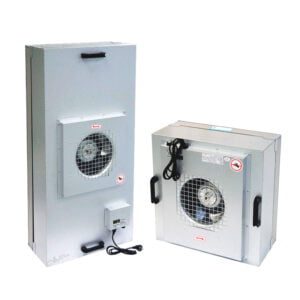
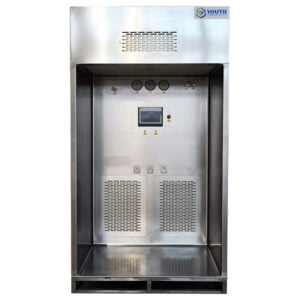
Dla zespołów określających jednostki przepływu powietrza, takie jak Zespół filtra wentylatora - FFU, Oddzielenie wymogu funkcji (utrzymanie jednokierunkowej prędkości przepływu w dół przez powierzchnię filtra) od dowodu akceptacji (przejście prędkości zgodnie z ISO 14644-3 podczas OQ) zapobiega częstemu problemowi, w którym dostawca wykazuje zgodność z innymi warunkami testu niż te, które zamierzała QA.
Szczegóły interfejsu QA i inżynierii powinny być zgodne
Język QA i szczegóły inżynieryjne mogą opisywać ten sam wymóg w sposób, który nie przekłada się na siebie nawzajem. Klauzula QA, która wymaga “kontrolowanej temperatury i wilgotności odpowiedniej dla procesu” i specyfikacja inżynieryjna, która określa rozmiary HVAC do ±3°C wokół nominalnej wartości zadanej, mogą być wewnętrznie spójne, tworząc zupełnie inne kryteria akceptacji. Problem z dopasowaniem nie dotyczy intencji - oba zespoły chcą tego samego wyniku - jest to problem językowy, który staje się problemem weryfikacyjnym, gdy rozpoczynają się testy akceptacyjne.
Rozwiązaniem jest wynegocjowanie konkretnych celów liczbowych i włączenie ich do URS przed wydaniem dokumentu. Zakresy kontroli środowiskowej, które są zgodne z oczekiwaniami ISO 14644 i EU GMP Annex 1 - temperatura 18-24°C, wilgotność względna 30-60% RH, ciśnienie różnicowe na poziomie lub powyżej 10 Pa w konfiguracji kaskadowej - powinny pojawić się jako wartości akceptacji określone przez QA, które inżynierowie potwierdzają, że mogą być osiągnięte i monitorowane przez zainstalowany system. Podobnie, współczynniki przepływu powietrza według klasy ISO i specyfikacje wydajności filtrów powinny być zapisane z wystarczającą precyzją, aby zapobiec zmianie dostawcy podczas produkcji.
| Parametr | Specyfikacja QA | Wskazówka dotycząca weryfikacji technicznej |
|---|---|---|
| Temperatura pokojowa | 18-24 °C | Potwierdzenie wydajności HVAC i rozmieszczenia czujników |
| Wilgotność względna | 30-60 % RH | Sprawdź limity systemu osuszania i dodawania pary |
| Różnica ciśnień | ≥ 10 Pa (kaskadowo) | Weryfikacja kierunku kaskady ciśnień i wartości zadanych alarmów |
| Przepływ powietrza ISO 5 | 240-500 ACH | Jednokierunkowy wzór przepływu i pokrycie prędkości |
| ISO 7 Przepływ powietrza | 30-60 ACH | Rozcieńczanie turbulentne z końcowym pokryciem HEPA |
| Przepływ powietrza ISO 8 | 20-40 ACH | Odpowiednia wymiana powietrza do odzyskiwania i klasyfikacji |
| Wydajność filtra HEPA | ≥ 99,97 % przy ≥ 0,3 µm | Określone zgodnie z normą IEST/EN1822, zapobiegają zmianie dostawcy |
| Powierzchnie wewnętrzne | Gładkie, nieporowate, łatwe do czyszczenia (powlekane żywicą epoksydową lub stalą nierdzewną, zaokrąglone narożniki, uszczelnione połączenia) | Szczegółowy typ materiału, wykończenie spoiny i konstrukcja złącza |
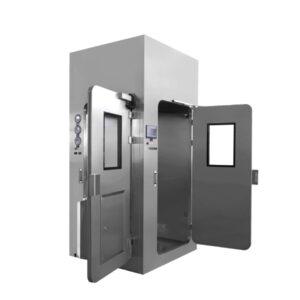
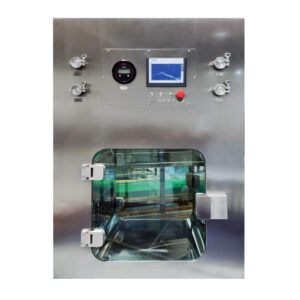
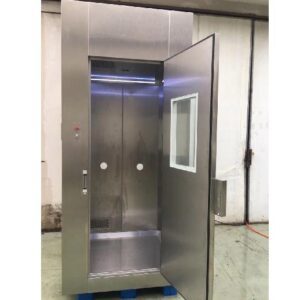
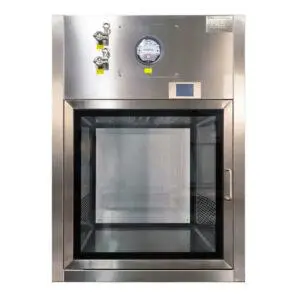
Specyfikacje materiałowe i powierzchniowe są często niedoprecyzowanym punktem styku. Wymóg QA dotyczący “łatwych do czyszczenia powierzchni wewnętrznych” nie przekłada się bezpośrednio na specyfikację wykończenia spoiny, wymiar promienia naroża lub rodzaj uszczelniacza złącza - jednak te szczegóły inżynieryjne określają, czy powierzchnia może zostać zweryfikowana pod kątem czyszczenia w protokole OQ. Wymaganie gładkich, nieporowatych powierzchni w panelach pokrytych żywicą epoksydową lub elektropolerowanej stali nierdzewnej, z zaokrąglonymi narożnikami wewnętrznymi i uszczelnionymi połączeniami, daje zarówno kontroli jakości, jak i inżynierii wspólne odniesienie, które można sprawdzić w FAT i zweryfikować podczas IQ. Tam, gdzie cykle dekontaminacji VHP są częścią projektu procesu, należy wyraźnie określić kompatybilność materiału z oparami nadtlenku wodoru - szczegół istotny dla sprzętu takiego jak Skrzynki i komory przepustek VHP które wymagają innych specyfikacji powierzchni wewnętrznej niż standardowe meble do pomieszczeń czystych.
Konsekwencją pozostawienia tego dostosowania do negocjacji po wycenie jest to, że inżynierowie mogą zaprojektować wykończenie powierzchni, którego QA nie może zweryfikować pod kątem czyszczenia, co wymaga albo odstępstwa od protokołu, albo kosztownej zmiany materiału po wyprodukowaniu. Dostosowanie szczegółów na etapie URS - zanim jakikolwiek dostawca zaangażuje się w projekt - utrzymuje otwarte opcje i jasną ścieżkę kwalifikacji.
Pominięcia wymagań, które tworzą luki w wycenie i przekazaniu
Pominięcia w URS nie ujawniają się same. Klauzula używająca wyrażenia “odpowiedni przepływ powietrza” wygląda jak wymóg; działa jako zaproszenie do interpretacji przez dostawcę. Podczas wyceny dostawcy wypełniają luki własnymi założeniami. Założenia te mogą być uzasadnione ogólną praktyką branżową i całkowicie błędne dla konkretnego środowiska procesowego. Luka staje się widoczna dopiero wtedy, gdy testy akceptacyjne wykorzystują mierzalne kryterium, które nigdy nie zostało uzgodnione, a do tego momentu projekt znajduje się w fazie przekazania bez mechanizmu rozwiązania go bez wpływu na harmonogram.
Wzorce pominięć, które powodują najbardziej konsekwentne zakłócenia na dalszych etapach, mają tendencję do podążania za rozpoznawalnymi kategoriami. Niejasny język wydajności, ponownie wykorzystane klauzule szablonów, które nie mają zastosowania do bieżącego typu sprzętu, brakujące wymagania dotyczące integralności danych i nieudokumentowane punkty dostępu do konserwacji - każdy z nich ma określoną ścieżkę awarii, która zwykle pojawia się na przewidywalnym etapie projektu.
| Pominięcie | Ryzyko, jeśli niejasne | Co należy wyjaśnić |
|---|---|---|
| Niejasne terminy (np. “odpowiedni przepływ powietrza”, “przyjazny dla użytkownika”) | Luki interpretacyjne dostawcy podczas wyceny, nieweryfikowalna akceptacja | Zastąpienie mierzalnymi celami i nazwanymi metodami weryfikacji |
| Ponowne użycie starych szablonów URS bez dostosowywania | Nieistotne lub sprzeczne wymagania dezorientują dostawców | Usunięcie nieobowiązujących klauzul i dostosowanie każdego wiersza do bieżącego zakresu projektu. |
| Nie wymieniono wymagań dotyczących integralności danych | Ustalenia regulacyjne i kosztowne działania naprawcze po instalacji | Obejmuje ścieżki audytu, dostęp oparty na rolach, podpisy elektroniczne w stosownych przypadkach. |
| Brak punktów dostępu do konserwacji / czyszczenia | Wnioski o przeprojektowanie, opóźnienia w przekazaniu, zwiększone koszty uruchomienia | Określenie lokalizacji paneli dostępu, odstępów między drzwiami i zasięgu czyszczenia |
| URS nie utrzymywane pod kontrolą zmian | Niedopasowanie zakupionego sprzętu do rzeczywistych potrzeb, ryzyko przekwalifikowania | Zamrożenie i formalna rewizja URS przed wyceną i po każdej zmianie projektu |
Pominięcia w zakresie integralności danych zasługują na szczególną uwagę, ponieważ ich konsekwencje pojawiają się z opóźnieniem, a ich naprawa jest kosztowna. Zarówno wytyczne FDA, jak i załącznik 1 do GMP UE określają oczekiwania dotyczące ścieżek audytu, dostępu opartego na rolach i funkcji podpisu elektronicznego, w przypadku gdy sprzęt obejmuje skomputeryzowane systemy, które mają wpływ na zapisy dotyczące jakości produktu. URS, który nie spełnia tych wymagań, tworzy lukę, której dostawca nie ma powodu wypełniać - i którą QA ostatecznie zidentyfikuje podczas kwalifikacji lub inspekcji. Modernizacja funkcji ścieżki audytu w zainstalowanych systemach kontroli sprzętu rzadko jest prosta i często wymaga zmiany oprogramowania, która uruchamia ponowną walidację.
Dostęp konserwacyjny to kategoria, w której pominięcia generują koszty, a nie ustalenia dotyczące zgodności, ale schemat kosztów jest równie wiarygodny. Panel dostępu, który nie jest określony w URS, może być nieobecny w dostarczonej jednostce lub umieszczony w miejscu, które wymaga zmiany położenia sprzętu w celu jego użycia. Wymóg, który dokumentuje lokalizacje paneli, odstępy między drzwiami i zasięg czyszczenia - nawet na poziomie funkcjonalnym - daje zespołowi inżynierów wystarczającą ilość informacji, aby przejrzeć rysunki dostawcy przed produkcją, a nie po dostawie. Dla zespołów pracujących również nad dokumentacją tego procesu, ustrukturyzowane podejście do zatwierdzone listy kontrolne i SOP audytu wyposażenia pomieszczeń czystych może pomóc potwierdzić, że wymagania fazy instalacji są identyfikowalne z oryginalnym URS.
Jednym z pominięć proceduralnych, które łatwo przeoczyć, jest brak objęcia URS formalną kontrolą zmian. Dokument, który można nieformalnie zmienić po złożeniu oferty, stwarza ryzyko, że zakupiony sprzęt i aktualny URS odzwierciedlają różne wymagania - niezgodność, która pojawia się jako obowiązek ponownej kwalifikacji, jeśli zmiana nie została udokumentowana i oceniona przed złożeniem zamówienia.
Kompromisy zakupowe między standardowymi jednostkami a niestandardowym wsparciem GMP
Decyzja o zakupie standardowo skonfigurowanej jednostki lub zleceniu niestandardowego projektu jest często podejmowana pośrednio przez sposób napisania URS, a nie przez wyraźną strategię zamówień. URS, który szczegółowo określa materiały konstrukcyjne, geometrię ścieżki przepływu powietrza, wymiary panelu sterowania i logikę blokady przed potwierdzeniem interfejsu lokalizacji, skutecznie zobowiązał się do niestandardowej jednostki - ponieważ żadna standardowa konfiguracja nie będzie pasować do tego poziomu szczegółowości. Zespół ds. zaopatrzenia staje wówczas w obliczu procesu zmiany zamówienia lub wyjątku od zakresu, z których żaden nie był planowany na początku projektu.
URS oparty na funkcji zachowuje swobodę konfiguracji dostawcy, określając, co sprzęt musi osiągnąć, a nie jak musi być zbudowany. Podejście to utrzymuje standardowe jednostki w zakresie podczas wyceny i pozwala inżynierom ocenić, czy standardowa konfiguracja dostawcy spełnia wymagania funkcjonalne, zamiast zmuszać dostawców do wyceny w oparciu o projekt nakazowy. Kompromis polega na tym, że URS oparty na funkcjach wymaga, aby QA i inżynieria już uzgodniły kryteria akceptacji - ponieważ bez tego porozumienia dostawcy nie mogą być oceniani na równoważnych warunkach.
| Podejście do specyfikacji | Konsekwencje | Czym powinien zajmować się URS |
|---|---|---|
| Opisywanie rozwiązań projektowych zamiast wymaganych funkcji (“jak” vs “co”) | Ogranicza kreatywność dostawcy, blokuje wymiary przed poznaniem interfejsu witryny | Określ, co sprzęt musi osiągnąć, a nie dokładny projekt; pozostaw metody inżynieryjne otwarte. |
| Brak oddzielenia rzeczywistych potrzeb od funkcji, które warto mieć. | Nadmierna inżynieria, przekroczenie budżetu (np. ISO 5 wszędzie vs. tylko strefy krytyczne) | Uszereguj wymagania według krytyczności i połącz każde z nich z GMP lub uzasadnieniem procesu. |
| Kontaktowanie się z producentami przed ukończeniem URS | Zmiany zakresu po wycenie prowadzą do kosztownych zleceń zmian i opóźnień. | Zamrożenie treści URS i uzyskanie wewnętrznej akceptacji przed wysłaniem zapytania ofertowego. |
| Nadmierne określanie tolerancji (przepływ powietrza, temperatura) w stosunku do potrzeb procesu | Zwiększa koszty sprzętu bez dodatkowej wartości GMP | Dopasowanie pasm tolerancji do rzeczywistego okna procesu i oczekiwań regulacyjnych |
Czas kontaktu z dostawcą jest strukturalnym ryzykiem związanym z zakupami, którego większość planów projektowych nie uwzględnia w sposób wyraźny. Kontaktowanie się z producentami przed ukończeniem URS wprowadza założenia dostawcy do procesu specyfikacji. Dostawca, który odpowiedział na wczesne pytania dotyczące standardowego asortymentu produktów, może określić zakres URS na podstawie tego, co może dostarczyć, a nie tego, czego wymaga proces. Wysłanie zapytania ofertowego przed wewnętrznym zatwierdzeniem URS zamraża specyfikację w punkcie, w którym QA i inżynieria mogą jeszcze nie rozwiązać różnic między interfejsami - co oznacza, że oferta wraca do dokumentu, który wkrótce ulegnie zmianie.
Zawyżanie zakresów tolerancji jest powiązanym czynnikiem kosztotwórczym, który w większości konfiguracji nie przynosi korzyści w zakresie zgodności. Jeśli okno procesowe dla operacji napełniania wymaga kontroli temperatury w zakresie ±3°C, a HVAC może niezawodnie osiągnąć ±1°C, określenie ±0,5°C w URS zwiększa koszty sprzętu i systemu sterowania bez poprawy jakości produktu. Dopasowanie wymagań dotyczących tolerancji do rzeczywistego zatwierdzonego okna procesu - zamiast żądania najwęższej tolerancji, jaką może zaoferować dostawca - jest dyscypliną zakupową, którą etap URS jest właściwym miejscem do egzekwowania.
Warunek zwolnienia po ustaleniu właściciela, metody i protokołu odbioru
URS gotowy do wyceny to nie to samo, co URS kompletny. Kompletność w sensie redakcyjnym oznacza, że każda sekcja jest wypełniona. Gotowość do wyceny oznacza, że każde wymaganie ma trzy określone atrybuty: zidentyfikowanego właściciela, który jest odpowiedzialny za weryfikację wymagania, zdefiniowaną metodę akceptacji powiązaną z określoną fazą kwalifikacji oraz pole odpowiedzi dostawcy, w którym dostawca może udokumentować, w jaki sposób proponowana przez niego konfiguracja spełnia określone wymaganie. Bez tych trzech elementów, dokument sprawia wrażenie specyfikacji bez struktury potrzebnej do zamknięcia akceptacji na dowolnym etapie projektu.
Sekwencja kwalifikacji, która następuje po wydaniu URS - kwalifikacja projektu, FAT, SAT, IQ, OQ, PQ i raport podsumowujący - jest zgodna z ramami opisanymi w EudraLex Volume 4 Annex 15. Każda faza generuje dowody, które można prześledzić wstecz do wymogu URS. Jeśli wymaganie nie zostało zapisane za pomocą określonej metody weryfikacji, nie ma czystej ścieżki od tego wymagania do rekordu kwalifikacji, a luka staje się narażona na audyt. Proces kwalifikacji jest również miejscem, w którym rozbieżności z FAT i SAT muszą zostać formalnie zamknięte przed rozpoczęciem IQ - co oznacza, że każde wymaganie, które było niejednoznaczne przy wycenie, wygeneruje rozbieżność, która opóźni przejście między fazami. Dla zespołów przechodzących z URS do aktywnego planowania kwalifikacji, szczegółowy przegląd Kwalifikacja IQ OQ PQ dla urządzeń do pomieszczeń czystych zawiera praktyczne wskazówki dotyczące struktury każdego etapu w odniesieniu do specyfikacji sprzętu.
Kontrola przed wydaniem oferty jest prosta do zastosowania: przeczytaj każdą klauzulę wymagań i potwierdź, że pole właściciela jest wypełnione nazwaną funkcją lub osobą, pole metody akceptacji zawiera nazwę konkretnej fazy kwalifikacji i podejścia testowego, a pole odpowiedzi dostawcy jest obecne i puste - gotowe do wypełnienia przez dostawcę. Wymaganie, które nie może przejść tej kontroli, powinno zostać poprawione zanim dokument opuści etap redagowania, a nie po tym, jak pierwsza runda wyceny ujawni, że dostawcy odpowiedzieli na nie niespójnie.
Praktyczny próg zwolnienia URS nie polega na tym, czy dokładnie opisuje on sprzęt - chodzi o to, czy każda klauzula może zostać zamknięta na określonym etapie projektu za pomocą określonej metody w odniesieniu do zdefiniowanego kryterium. Dokument, który spełnia ten próg, daje dostawcom wystarczającą ilość informacji, aby wycenić równoważny zakres, daje inżynierom zamiar projektowy, który można potwierdzić za pomocą rysunków dostawcy, i daje QA kotwicę kwalifikacyjną, która przetrwa od FAT do PQ bez konieczności renegocjacji po złożeniu oferty.
Przed wystawieniem URS do wyceny należy potwierdzić, że QA i inżynierowie dokonali przeglądu tej samej wersji dokumentu, że parametry interfejsu - przepływ powietrza, ciśnienie, temperatura, specyfikacja filtra, wykończenie powierzchni i dostęp konserwacyjny - są wyrażone w kategoriach, które oba zespoły mogą zweryfikować niezależnie, oraz że integralność danych i wymagania dotyczące kontroli zmian są wyraźnie uwzględnione, a nie zakładane. Koszt tego wewnętrznego przejścia jest mierzony w dniach. Koszt jego pominięcia pojawia się zwykle przy przekazaniu, mierzony w tygodniach.
Często zadawane pytania
P: Czy system URS może być skutecznie wykorzystywany, jeśli działy kontroli jakości i inżynierii pracują w oparciu o odrębne dokumenty wewnętrzne, które nie zostały jeszcze uzgodnione?
O: Nie - URS sporządzony z nieuzgodnionych danych wejściowych wygeneruje kryteria akceptacji, które QA i inżynieria interpretują inaczej, co oznacza, że fazy kwalifikacji nie mogą zostać zamknięte w sposób czysty. Przejście wyrównania między dwiema funkcjami musi nastąpić przed napisaniem dokumentu, a nie podczas przeglądu oferty. Parametry interfejsu, takie jak natężenie przepływu powietrza, wydajność filtra, różnice ciśnień, wykończenie powierzchni i wymagania dotyczące integralności danych, wymagają jednej uzgodnionej wartości, którą oba zespoły mogą niezależnie zweryfikować w oparciu o ten sam rysunek dostawcy lub zapis testów.
P: Po opublikowaniu URS i otrzymaniu ofert, jaki jest właściwy następny krok przed wyborem dostawcy?
O: Oceniaj każdą ofertę bezpośrednio na podstawie pola odpowiedzi dostawcy w URS - nie na podstawie ogólnego poczucia, czy proponowana jednostka wygląda na odpowiednią. Każdy dostawca powinien odpowiedzieć na każde wymaganie za pomocą określonej konfiguracji, oświadczenia o zgodności lub udokumentowanego wyjątku. Wymagania, w których dostawca zaproponował odchylenie lub pozostawił pole bez odpowiedzi, powinny zostać rozwiązane poprzez pisemne wyjaśnienie przed wyborem, ponieważ nierozwiązana luka na etapie wyceny pojawi się ponownie jako rozbieżność w FAT bez uzgodnionego mechanizmu jej zamknięcia.
P: W którym momencie URS oparty na funkcjach stwarza większe ryzyko niż URS nakazowy?
O: URS oparty na funkcji staje się odpowiedzialny, gdy interfejs lokalizacji jest już ustalony, a sprzęt musi spełniać twarde ograniczenia wymiarowe lub integracyjne, których standardowa konfiguracja dostawcy może nie spełniać. Jeśli penetracja ściany, punkt podłączenia mediów lub integracja systemu sterowania są zdefiniowane przed wyceną, ograniczenia te muszą pojawić się jako wyraźne wymagania - a nie domniemane wyniki - aby dostawcy mogli potwierdzić zgodność, a nie ją zakładać. Podejście oparte na funkcjach działa najlepiej, gdy szczegóły interfejsu obiektu są nadal otwarte; po ich ustaleniu odpowiednie parametry muszą zostać zapisane jako określone wymagania z przypisanymi dowodami akceptacji.
P: Czy warto płacić wyższą cenę za dostawcę z dedykowanym wsparciem dokumentacji GMP, czy też URS jest wystarczający, aby określić, jakie standardy muszą dostarczać dostawcy?
O: Zależy to od tego, czy wewnętrzny zespół kwalifikacyjny może opracować całą wymaganą dokumentację niezależnie od URS. Dobrze skonstruowany URS z nazwanymi metodami weryfikacji dla każdego wymagania daje każdemu wykwalifikowanemu dostawcy wystarczającą ilość informacji, aby wesprzeć FAT i dostarczyć pakiety danych IQ, których potrzebuje Twój zespół. Premia za dedykowane wsparcie dokumentacji GMP staje się uzasadniona, gdy projekt obejmuje złożone systemy sterowania wymagające walidacji oprogramowania, konfiguracje wieloczęściowe ze współzależnymi fazami kwalifikacji lub skompresowane ramy czasowe, w których opóźnienia w dokumentacji pociągają za sobą kary harmonogramowe - scenariusze, w których dostawca, który rozumie sekwencję kwalifikacji od DQ do PQ, zmniejsza ryzyko koordynacji, którego sam URS nie może wyeliminować.
P: Co się stanie, jeśli URS zostanie formalnie zwolniony, ale po wycenie zmienią się warunki w miejscu instalacji materiału - czy cała sekwencja kwalifikacji musi zostać uruchomiona ponownie?
O: Niekoniecznie, ale zmiana musi zostać oceniona w ramach formalnej kontroli zmian przed złożeniem zamówienia lub rozpoczęciem produkcji. URS powinien zostać zmieniony, aby odzwierciedlić zaktualizowany stan, wpływ na już uzgodnione kryteria akceptacji oceniony, a dostawca powiadomiony na piśmie, zanim jego projekt zostanie zatwierdzony. Jeśli zmiana wpływa na wymóg, który został już wyceniony i zaakceptowany, wymagana jest formalna poprawka do wyceny. Postępowanie bez kontroli zmian tworzy scenariusz rozbieżności, w którym zainstalowany sprzęt i aktualny URS odzwierciedlają różne wymagania - co zwykle pojawia się jako obowiązek ponownej kwalifikacji podczas kontroli, a nie jako możliwa do opanowania rozbieżność podczas przekazania.