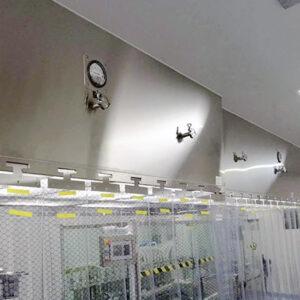
O modificare a planului se limitează rareori doar la desenul din care a pornit. Odată ce o zonă de proces, o rețea de tavan sau un traseu de conducte se modifică, se pune întrebarea dacă unități de filtrare ventilator, unitățile de circulație laminară a aerului și carcasele terminale care au fost selectate în locul configurației anterioare își îndeplinesc în continuare rolul, poziția și calea de acces prevăzute. Răspunsul la această întrebare înainte de elaborarea desenelor, de livrarea echipamentelor sau de începerea instalării este ceea ce diferențiază o revizuire controlată de o neconcordanță de coordonare descoperită pe șantier.
Identificați ce anume a fost modificat prin revizuire și ce rol al echipamentului este afectat
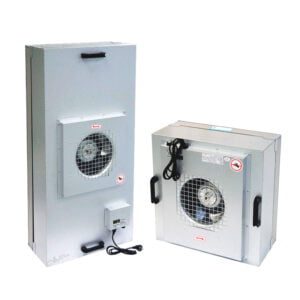
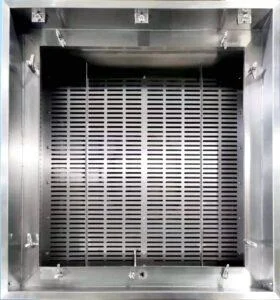
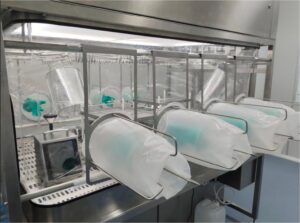
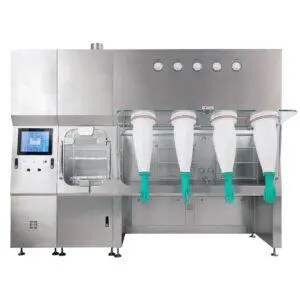
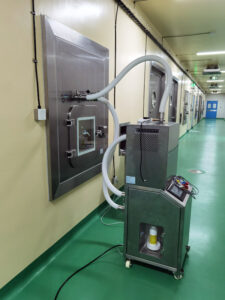
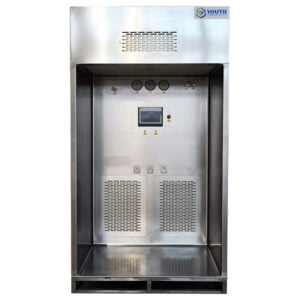
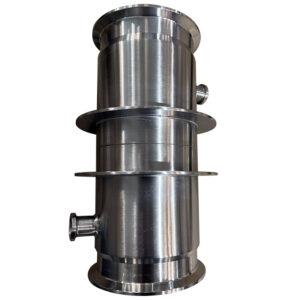
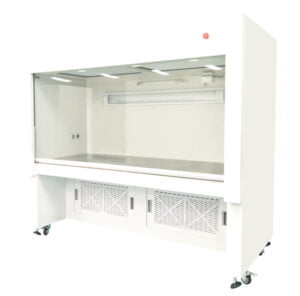
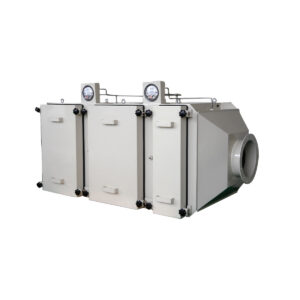
Prima sarcină nu constă în inspectarea echipamentelor, ci în inspectarea modificării în sine. O modificare a planului poate schimba limita unui proces sau a unei zone de protecție, poate deplasa o deschidere în tavan sau în perete, poate redirecționa o conductă sau un traseu al aerului sau poate modifica un coridor de serviciu suspendat. Fiecare dintre acestea reprezintă un tip diferit de modificare, iar fiecare interacționează în mod diferit cu unitățile FFU, unitățile LAF și carcasele terminale, deoarece aceste trei tipuri de echipamente nu sunt interschimbabile. O unitate FFU este un dispozitiv de distribuire a aerului filtrat montat pe tavan; o unitate LAF asigură protecție localizată și poate fi dispusă în mai multe configurații, în funcție de modul în care este configurată zona de lucru; o Carcasă pentru filtru HEPA formează o carcasă de filtru terminal la punctul de îmbinare dintre tavan și perete. O modificare care schimbă limita procesului poate menține intactă funcția de distribuire a aerului a unei unități FFU, în timp ce invalidează ipotezele privind protecția localizată integrate într-un Orientarea unității LAF, sau invers.
De aceea, o singură concluzie de tipul “fără impact”, emisă pentru întreaga modificare a configurației, nu este fiabilă. Echipa de proiect trebuie să pornească de la ceea ce s-a mutat concret, nu de la echipamentele care se află întâmplător în apropiere. Dacă modificarea a implicat mutarea unui proces sau a locației unei zone de protecție, întrebarea relevantă este dacă rolul de distribuție a aerului sau de protecție atribuit acelei zone este încă îndeplinit de echipamentul amplasat acolo. Dacă modificarea a implicat mutarea unei deschideri în tavan sau perete, întrebarea se referă la faptul dacă poziția, orientarea, susținerea, etanșarea și accesul sunt încă în concordanță cu specificațiile inițiale. Dacă modificarea a afectat o conductă sau o cale de circulație a aerului, este posibil ca punctul de racordare, limita de rezistență sau ipotezele privind alimentarea cu aer din amonte a echipamentului respectiv să nu mai fie valabile. Iar dacă modificarea a afectat un coridor de serviciu sau o zonă suspendată, este posibil ca accesul prevăzut pentru lucrările de întreținere a filtrelor, ventilatoarelor, sistemelor de control sau de testare să nu mai fie disponibil, chiar dacă echipamentul în sine nu a fost mutat.
Tratarea acestora ca întrebări de impact separate, mai degrabă decât ca o singură evaluare combinată, este ceea ce permite echipei să identifice fiecare deschidere mutată, zonă de procesare, terminal de aer, traseu de service și etichetă de echipament, fără a presupune că o modificare care afectează o familie de echipamente le validează sau le respinge automat pe celelalte două. FFU-ul, unitatea LAF și carcasa terminalului au fiecare un set distinct de interfețe, iar o revizuire care este neutră pentru una dintre ele poate fi semnificativă pentru alta.
| Articol revizuit | Echipamente care ar putea fi afectate | Întrebare privind impactul |
|---|---|---|
| Locația procesului sau a zonei de protecție | FFU, unitate LAF sau carcasă terminală | Rolul de distribuție a aerului selectat mai corespunde zonei mutate? |
| Deschidere în tavan sau perete | FFU sau carcasă terminală; eventual, configurație LAF cu suport | Poziția, orientarea, suportul, etanșarea și accesul sunt încă coordonate? |
| Conductă sau traseu de aer | Unitate FFU conectată, sistem LAF sau carcasă terminală | S-au modificat ipotezele privind conexiunea, limita de rezistență sau aerul din amonte? |
| Coridor de serviciu sau zonă aeriană | Orice echipament selectat | Accesul prevăzut pentru filtru, ventilator, sistemul de control și testare este încă disponibil? |
Verificați din nou geometria, traseele de aer, suporturile și obstacolele
Odată identificate rolurile echipamentelor afectate, interfețele fizice trebuie verificate din nou direct în raport cu schema revizuită, și nu în raport cu ultima versiune coordonată. Alinierea la grila de tavan, suportul structural, conductele sau țevile din jur, spațiul liber la intrare și punctul de racordare la rețeaua electrică sunt interdependente în ceea ce privește modul în care o unitate FFU se poziționează și funcționează în deschiderea sa — o relație documentată în Manualul de instalare și utilizare al unității FFU WhisperFlow de la Terra Universal pentru propria sa unitate. Această interdependență reprezintă mecanismul care merită preluat în orice schemă revizuită: o modificare a uneia dintre aceste condiții poate influența discret celelalte, chiar și în cazul în care dimensiunea nominală a deschiderii rămâne aceeași.
În cazul în care o deschidere din tavan sau perete își schimbă poziția, piesa de tranziție, zona de etanșare și metoda de susținere structurală asociată acelei deschideri pot să nu mai corespundă cu ceea ce a fost proiectat pentru amplasamentul inițial. În cazul în care se modifică orientarea unei deschideri, și nu poziția acesteia, spațiul liber de admisie și configurația obstacolelor din jur se modifică chiar dacă deschiderea în sine rămâne nemișcată, deoarece fluxul de aer care intră în unitate depinde de ceea ce se află imediat în jurul și deasupra acesteia. În cazul în care o conductă sau o cale de circulație a aerului este redirecționată, geometria conexiunii și ipotezele privind alimentarea cu aer din amonte a unei carcase terminale sau a unui ansamblu LAF se pot modifica independent de orice schimbare a amprentei proprii a echipamentului.
Prin urmare, reverificarea trebuie să abordeze poziția și orientarea echipamentului, geometria deschiderii și a conexiunii, metoda de susținere, precum și obstacolele și traseul de intrare ca patru aspecte fizice distincte, deoarece o revizuire a planului poate lăsa unul dintre acestea neschimbat, în timp ce le modifică pe celelalte trei. Elementele de fixare din apropiere, corpurile de iluminat, elementele structurale și echipamentele adiacente introduse sau mutate în urma aceleiași revizuiri fac parte din această verificare a obstacolelor, deoarece pot crea o coliziune cu amprenta prevăzută sau cu zona de acces, chiar fără a atinge deschiderea în sine.
Nimic din toate acestea nu poate fi stabilit pe baza unei valori generice a spațiului liber. Dimensiunile privind spațiul liber, detaliile referitoare la suporturi și verificările la fața locului din manualul Terra se aplică exclusiv unității proprii a Terra și nu pot fi atribuite echipamentelor altor furnizori. În cazul în care proiectul a selectat deja echipamentul, amprenta la sol, toleranța de orientare, cerințele privind suporturile și spațiul liber la intrare trebuie să fie preluate din documentația propriu-zisă a respectivului furnizor, verificate în raport cu schema coordonată revizuită, și nu presupuse pe baza unui produs comparabil.
| Verificare | Date de intrare revizuite | Este necesară confirmarea |
|---|---|---|
| Poziția și orientarea echipamentului | Aspect coordonat actualizat | Unitatea selectată corespunde rolului pentru care a fost destinată și traseului de acces |
| Deschidere și conectare | Desen actualizat al tavanului, peretelui sau conductei | Geometria, tranziția și marginea de etanșare sunt coordonate |
| Sprijin | Condiții structurale actualizate | Informațiile privind metodele de asistență și furnizorii sunt reconciliate |
| Obstacole și traseul de admisie | Coordonarea actualizată a lucrărilor la înălțime | Conductele, țevile, corpurile de iluminat, structura și echipamentele adiacente nu intră în conflict cu dispunerea aleasă |
Verificați din nou alimentarea cu energie, elementele de comandă, accesul la întreținere și la testare
Geometria reprezintă doar o parte din aspectele afectate de o revizuire a planului de amenajare. Alimentarea cu energie, sistemele de control, accesul pentru întreținere și accesul pentru testare sunt interfețe care se pot modifica chiar și atunci când poziția fizică a echipamentului rămâne neschimbată, deoarece o modificare în altă zonă a planului de amenajare poate altera traseul cablurilor, împărțirea în zone a panourilor sau accesibilitatea unui punct care înainte era accesibil. Sistemele de control al echipamentelor depind de configurație: Camfil documentează opțiunile de control portabil și prin BUS pentru o familie de FFU-uri, iar Price Industries documentează controlul local și prin BACnet, împreună cu accesul la controlul din incintă pentru echipamente specifice din gama sa Catalogul PURAFLO. Niciunul dintre aceste exemple nu precizează ce anume susține o anumită unitate din cadrul acestui proiect, dar, împreună, ele arată că accesul la control este o caracteristică proiectată a unei anumite configurații, mai degrabă decât o proprietate fixă a categoriei de echipamente — și tocmai de aceea o revizuire care modifică amplasarea sau gruparea unei unități poate schimba, de asemenea, cerințele interfeței de control a respectivei unități.
O relocare poate prelungi sau redirecționa un cablu, poate muta o unitate într-o altă zonă de control, poate modifica atribuirea adresei sale de rețea sau poate schimba maparea senzorilor și a alarmelor, dacă revizuirea modifică zona sau controlerul căruia îi raportează un echipament. De asemenea, poate modifica traseul fizic utilizat pentru a îndepărta un filtru sau un ventilator în vederea întreținerii, sau accesibilitatea unui punct de care depinde planul de verificare al proiectului. În cazul în care schema revizuită menține o unitate în aceeași zonă de control și o deplasează pur și simplu pe o distanță scurtă în cadrul unui coridor de service accesibil, aceste interfețe pot rămâne neafectate. În cazul în care revizuirea mută o unitate într-o zonă diferită, în spatele unui nou obstacol sau într-un coridor cu condiții de acces diferite, mai multe dintre aceste interfețe se pot modifica simultan, chiar dacă geometria din zona aeroportuară este conformă.
Acestea trebuie tratate ca categorii de confirmare care trebuie analizate, nu ca elemente cu un rezultat presupus. Faptul că o anumită modificare a lungimii cablului, a adresei sau a căii de acces este acceptabilă depinde de arhitectura de control proprie a echipamentului selectat, precum și de diagrama de control și de lista punctelor specifice proiectului — aspecte pe care niciun principiu generic nu le poate rezolva. Sarcina în această etapă este de a identifica care dintre aceste interfețe sunt afectate de revizuire, nu de a concluziona că o anumită modificare este acceptabilă sau inacceptabilă fără a o verifica în raport cu echipamentul selectat efectiv și cu documentația specifică a proiectului.
| Interfață | Ce s-ar fi putut schimba | Date care trebuie actualizate |
|---|---|---|
| Putere | Punct de racordare, traseu sau zonă de distribuție | Schema electrică și datele privind racordarea echipamentelor selectate |
| Controale | Afilerea la o zonă, adresarea, calea protocolului sau accesul local | Diagrama de control, programul de puncte și responsabilitatea privind configurația |
| Service | Filtru, ventilator sau traseul de evacuare a gazelor reziduale | Vizualizarea accesului coordonat și cerințele de acces ale furnizorilor |
| Acces la verificare | Senzor sau locația de testare necesară pentru proiect | Planul de verificare și organizarea punctelor de acces |
Închideți revizia cu documentele actualizate și datele de verificare
O revizie nu se închide prin confirmarea faptului că interfețele fizice și de serviciu funcționează în continuare; aceasta se închide atunci când această confirmare este consemnată în documentele de care depinde restul proiectului. ISO 14644-4 abordează proiectarea, construcția, punerea în funcțiune, verificarea și întreținerea pe durata ciclului de viață ca aspecte interconectate în cadrul unei instalații de cameră curată, iar această legătură se aplică în aceeași măsură atât unei instalații modificate, cât și uneia noi. O verificare a geometriei efectuată doar în notele personale nu actualizează lista echipamentelor pe care se bazează departamentul de achiziții, iar o confirmare a controlului accesului făcută doar verbal nu actualizează lista punctelor pe baza căreia își desfășoară activitatea contractorul responsabil cu sistemele de control.
Documentele care necesită, de obicei, revizuire după o astfel de modificare includ lista echipamentelor, planul coordonat, desenele conductelor și ale coridoarelor de serviciu, schema de control sau lista punctelor, orice note privind accesul legate de locațiile de întreținere sau testare, registrul elementelor deschise care urmărește problemele nerezolvate și planul de verificare al proiectului, în cazul în care revizuirea afectează un punct de care depinde verificarea. Nu orice revizuire afectează toate aceste elemente; o modificare limitată la orientarea unei singure deschideri poate lăsa diagrama de control neschimbată, în timp ce o modificare a unui coridor de service poate lăsa neschimbat desenul conductei, dar poate necesita o revizuire a notelor de acces. Sarcina constă în parcurgerea acestei liste în raport cu elementele identificate ca fiind afectate în secțiunile anterioare, mai degrabă decât revizuirea documentelor în mod automat sau omiterea revizuirii doar pentru că verificarea fizică a fost trecută cu succes.
Înregistrarea persoanei responsabile cu verificarea fiecărui document afectat și reținerea aprobării până la clarificarea ipotezelor esențiale privind interfața sunt măsurile care împiedică preluarea unei ipoteze documentate, dar neconfirmate, în etapa de fabricație sau instalare. Această etapă de înregistrare reprezintă o disciplină de management al proiectului, nu o verificare tehnică în sine — ea nu înlocuiește confirmările privind geometria, traseul fluxului de aer și utilitățile descrise anterior, iar revizuirea unui document nu demonstrează, prin sine, că interfața revizuită funcționează conform intenției sau îndeplinește vreo cerință a proiectului. În cazul în care planul de verificare al proiectului este elaborat sau reevaluat în paralel cu această revizuire, raționamentul se leagă de modul în care Protocoalele IQ, OQ și PQ trebuie să se prevadă măsuri pentru echipamentele afectate, întrucât modificarea unei interfețe poate schimba elementele care trebuie verificate și locul în care trebuie efectuate verificările.
Informațiile pe care echipa de proiect le colectează prin acest proces — deschiderile specifice, conexiunile, zonele de control și punctele de acces afectate de revizuire — sunt, de asemenea, cele de care are nevoie un furnizor pentru a analiza configurația în funcție de condițiile revizuite, și nu de cele inițiale; informațiile incomplete sau neconciliate privind revizuirea, în această etapă, limitează utilitatea analizei efectuate de furnizor în ceea ce privește selecția unității FFU, a unității LAF sau a carcasei HEPA.
Întrebări frecvente
Q: Am mutat stația de lucru, dar am lăsat toate unitățile de ventilație la locul lor. Mai este necesară o verificare a echipamentelor?
A: Da. Este posibil ca rolul atribuit echipamentului să nu mai corespundă punctului de expunere sau zonei de protecție. Comparați amplasamentul revizuit al procesului cu ultima schemă coordonată și reanalizați aspectele relevante privind fluxul de aer local, distribuția aerului în încăpere și traseul aerului înainte de a accepta o concluzie privind lipsa impactului.
Q: O unitate FFU mutată se potrivește în continuare în deschiderea respectivă. Ce alte modificări mai puțin evidente ar trebui să verificăm?
A: Verificați traseul de admisie, suportul, traseul electric, apartenența la zona de control, precum și accesul pentru întreținere și testare. O schimbare a poziției poate afecta aceste interfețe fără a modifica dimensiunile de deschidere. Utilizați cerințele furnizorului selectat privind distanțele de siguranță, în loc să aplicați o dimensiune generică.
Q: Mutarea carcasei unui terminal ne obligă să reevaluăm baza de calcul a consumului de aer specificată în ofertă?
A: Da, dacă s-au modificat ipotezele privind conexiunea, limita de rezistență sau fluxul de aer din amonte. Furnizați furnizorului informațiile actualizate privind conductele sau traseul fluxului de aer și întrebați dacă configurația propusă se bazează în continuare pe aceeași sarcină de lucru. Înregistrați modificările nerezolvate înainte de livrarea echipamentului.
Q: Ce ar trebui să însoțească macheta revizuită atunci când le solicităm furnizorilor să-și reconfirme ofertele?
A: Trimiteți programul echipamentelor vizate, planurile conductelor și ale instalațiilor, informațiile privind sistemele de control, notele privind accesul și datele de verificare, după caz. Identificați etichetele și ipotezele modificate și solicitați confirmarea sau semnalarea abaterilor față de aceeași revizie. Planurile actualizate nu constituie, în sine, o dovadă a rezultatului instalării.