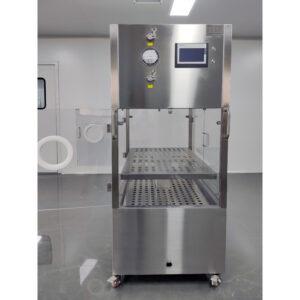
O ofertă pentru o unitate FFU care pare mai avantajoasă poate fi pur și simplu bazată pe ipoteze diferite privind debitul de aer, rezistența filtrului, starea tavanului, modul de control sau accesul pentru întreținere. Deoarece o unitate cu ventilator și filtru este un ansamblu integrat, utilizarea denumirii modelului sau a dimensiunii frontale ca bază de comparație lasă nedefinit punctul real de funcționare. Abordarea mai practică în cazul cererilor de ofertă este aceea de a emite o singură listă normalizată de parametri de intrare și de a solicita fiecărui furnizor să răspundă la acești parametri sau să evidențieze fiecare abatere.
De ce valorile FFU variază atunci când punctul de funcționare nu este definit
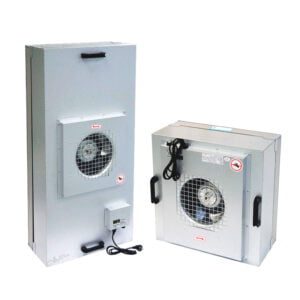
O unitate FFU nu este doar un ventilator. Aceasta combină într-un singur ansamblu un ventilator, un filtru, modul de control și ipotezele privind instalarea la tavan. Dacă cumpărătorul specifică doar o dimensiune nominală sau o “unitate FFU EC”, furnizorii pot selecta debite de aer diferite, marje de presiune statică externă, clase de filtrare, prefiltre, interfețe de control și modalități de întreținere fără a prezenta neapărat aceste opțiuni. Rezultatul nu este o diferență reală de preț, ci un set de puncte de funcționare diferite.
O fișă tehnică a producătorului poate ilustra cât de multe elemente sunt integrate într-o singură familie de produse. Aceasta Fișă tehnică Camfil CAMFFU EC prezintă unitatea de tavan ca o configurație care implică performanța motorului/ventilatorului EC, alegerea filtrului, controlul individual sau în rețea, precum și deciziile privind integrarea în sistem. Domeniul său de aplicare se limitează exclusiv la datele privind produsele Camfil; acesta nu stabilește specificații YOUTH, performanța proiectului, certificarea sau un punct de funcționare universal. În mod similar, etichetele referitoare la tehnologia motoarelor nu trebuie considerate ca o comparație a performanțelor. Articolul tehnic al companiei ebm-papst: EC vs. AC descrie necesitatea de a evalua debitul de aer, presiunea, controlul și performanța globală a ventilatorului la punctul real de funcționare, în loc să se compare doar datele de pe eticheta motorului. Acest principiu este unul general; rezultatele efective privind consumul de energie, zgomotul, calitatea energiei electrice și controlul depind în continuare de sistemul complet selectat și de instalare. Nu introduceți valorile Camfil sau ebm-papst într-un proiect YOUTH.
Cumpărătorul ar trebui să solicite ca fiecare ofertă să precizeze punctul de funcționare înainte de a compara prețul, debitul de aer, puterea sau nivelul de zgomot.
Definiți singurul criteriu pe care toți furnizorii trebuie să îl îndeplinească
Cererea de ofertă ar trebui să înlocuiască descrierile generale ale produselor cu un tabel comun de parametri de intrare pentru punctul de funcționare. Secvența începe cu identificarea încăperii sau zonei protejate și a rolului unității FFU, apoi precizează fie debitul de aer necesar, fie criteriile de selecție disponibile pentru alegerea furnizorului. Cumpărătorul ar trebui, de asemenea, să consemneze dispunerea filtrelor, ipotezele privind rezistența căii de aer extern, starea de funcționare preconizată, alimentarea electrică, modul de control și orice constrângeri specifice amplasamentului. Valorile necunoscute ar trebui să rămână marcate pentru confirmare din partea inginerilor, în loc să fie estimate.
Tabelul de mai jos este o structură non-numerică. Cumpărătorul completează câmpurile cunoscute și solicită furnizorului să confirme câmpurile rămase, pentru care informațiile referitoare la proiect nu sunt încă disponibile.
| Date de introducere pentru cererea de ofertă | Cumpărătorul trebuie să precizeze | Furnizorul trebuie să confirme |
|---|---|---|
| Zona protejată și rolul FFU | Spațiul sau zona deservită și responsabilitatea prevăzută privind distribuția aerului | Rolul propus al unității și orice dependență de domeniul de aplicare |
| Serviciul aerian | Obligație necesară dacă proiectul este deja finalizat; în caz contrar, se utilizează baza de decizie disponibilă | Punctul de funcționare selectat și ipotezele utilizate |
| Dispozitiv de filtrare | Se solicită informații privind familia de filtre sau proiectul, dacă sunt cunoscute | Propuneri privind filtrele, garniturile, prefiltrele și frecvența de înlocuire |
| Condițiile din traseul aerului | Constrângeri cunoscute privind tavanul sau camera de aer și ipoteze privind rezistența | Condiții incluse în criteriile de selecție și excluderi |
| Stare de funcționare | Stări preconizate ale proiectului: normală, redusă sau alte stări definite | Cum se selectează unitatea propusă pentru fiecare condiție menționată |
Opțiuni separate pentru motor, sistem de control, filtru și acces la tavan
Odată stabilită cerința, cererea de ofertă trebuie să împiedice în continuare ca o singură specificație să determine în mod tacit alegeri care nu au legătură între ele. Arhitectura motorului și a sistemului de control este separată de clasa de filtrare și de etanșare; clasa de filtrare este separată de compatibilitatea cu grila de tavan; compatibilitatea cu tavanul este separată de aspectele legate de întreținere, prefiltru, monitorizare și testare. Un furnizor poate combina aceste elemente în moduri diferite, iar cumpărătorul ar trebui să solicite furnizorului să precizeze fiecare decizie de configurare, în loc să o presupună.
Pentru o comparație specifică modelului YOUTH, Unitate de filtrare cu ventilator – FFU Pagina „Product Route” reprezintă sursa principală de informații privind filtrele, elementele de control și dimensiunile configurabile ale unităților FFU. Această pagină nu stabilește în sine un punct de funcționare al proiectului; alegerile exacte rămân specifice fiecărui proiect. Dacă unitatea FFU este evaluată pentru o anumită grilă de tavan, o deschidere, o limită de susținere sau o anvelopă a camerei curate adiacente, atunci Sistem pentru pereți și tavane traseul proiectului reprezintă interfața corespunzătoare pentru coordonare.
| Domeniul de decizie | Opiniile cumpărătorilor | Este necesar un răspuns din partea furnizorului |
|---|---|---|
| Motor și controlul vitezei | Abordarea preferată în materie de control și constrângerile specifice amplasamentului | Tipul motorului, metoda de reglare și limitele ofertei |
| Monitorizare și integrare | Puncte, alarme, grupare și așteptări privind interfața | Comenzile incluse, componentele externe necesare și ipotezele privind protocolul |
| Filtru și garnitură de etanșare | Obiectivele proiectului privind filtrarea și înlocuirea | Sistemul de filtrare și etanșare propus, sub rezerva confirmării proiectului |
| Accesul la servicii | Lucrări de întreținere permise și restricții de acces | Traseul de eliminare și ipotezele privind eliminarea |
| Interfață de tavan | Informații privind rețeaua, deschiderea, asistența și serviciile conexe | Sunt necesare datele privind potrivirea unității, limita de susținere și desenul |
Normalizarea răspunsurilor furnizorilor și a abaterilor
Normalizarea nu înseamnă impunerea unui model unic tuturor furnizorilor. Înseamnă colectarea acelorași câmpuri de date, astfel încât un preț mai mic să nu ascundă o configurație diferită a filtrelor sau un pachet de comenzi exclus. Fiecare ofertant trebuie să prezinte configurația selectată, performanța declarată la punctul definit de cumpărător, interfețele de comandă și alimentare, ipotezele privind accesul, documentația inclusă, excluderile și orice abatere de la specificațiile inițiale.
Fișa de comparație de mai jos trebuie utilizată pentru a semnala datele lipsă sau interpretate în mod diferit. Aceasta reprezintă un instrument de control al procesului de achiziție, nu un scor de conformitate; nu demonstrează care ofertă va îndeplini criteriile de clasificare sau de acceptare pentru camera curată.
| Element de comparație | Răspunsul solicitat | Indicator de comparație |
|---|---|---|
| Configurație selectată | Formula exactă propusă și revizuirea acesteia | Aceeași bază, o bază diferită sau neclară |
| Răspunsul punctului de funcționare | Rezultatul declarat în condițiile specificate ale proiectului | Sunt direct comparabile sau ipotezele diferă |
| Comenzi și alimentare | Interfețe incluse și dependențe externe | Inclus, exclus sau este necesară confirmarea |
| Acces și limitele maxime | Traseul de întreținere și limita zonei de instalare | Aliniate, deviate sau nerezolvate |
| Dovezi și documente | Date, desene și teste incluse în ofertă | Furnizat, în așteptare sau în afara domeniului de aplicare |
Transformați comparația într-o cerere de ofertă YOUTH specifică proiectului
După efectuarea comparației, cumpărătorul trebuie să transforme răspunsurile normalizate într-o cerere de ofertă (RFQ) limitată pentru proiectul YOUTH. Pachetul trebuie să includă contextul încăperii și al procesului, informații privind tavanul, utilitățile, așteptările privind controlul, ruta de acces și documentația necesară pentru proiect. YOUTH confirmă apoi configurația propusă a unităților FFU și orice valori restante care necesită încă confirmare din partea departamentului de inginerie.
În acest moment, nimeni nu ar trebui să deducă, doar pe baza cererii de ofertă (RFQ), îndeplinirea cerințelor clasei ISO, conformitatea cu GMP, performanța filtrelor HEPA/ULPA, nivelul de zgomot, consumul de energie, acceptarea sau asigurarea sterilității. Aceste aspecte depind de configurația aleasă, de sistemul de filtrare și control, de condițiile din tavan și din camera de distribuție, de integrarea electrică, precum și de documentația referitoare la proiect furnizată și confirmată. În ceea ce privește procesul mai amplu de evaluare a furnizorilor în cadrul achiziționării de echipamente pentru camere curate, Achiziționarea de echipamente pentru camere curate | Ghid de evaluare a furnizorilor include secțiunile adiacente de cereri de ofertă (RFQ) și de evaluare a furnizorilor.
Întrebări frecvente
Q: Pot obține oferte comparabile pentru unitățile FFU înainte de stabilirea definitivă a debitelor de aer?
A: Da, dacă fiecare furnizor primește aceleași informații disponibile despre proiect și identifică atribuțiile și ipotezele utilizate în procesul de selecție. Valoarea neclarificată trebuie marcată pentru confirmare tehnică, în loc să se facă presupuneri. Ofertele bazate pe atribuții diferite trebuie clarificate înainte ca prețurile sau performanțele acestora să poată fi comparate.
Q: Doi furnizori indică aceeași dimensiune nominală a unității FFU. Asta înseamnă că ofertele lor sunt echivalente?
A: Nu. Dispunerea filtrelor, rezistența la curgerea aerului, starea de funcționare, elementele de comandă și accesul pentru întreținere pot diferi chiar și atunci când dimensiunea nominală este aceeași. Solicitați ambilor furnizori să descrie configurațiile complete ale sistemelor lor la același punct de funcționare al proiectului și să enumere abaterile față de specificațiile dvs. inițiale.
Q: Dacă specific un motor EC, mai trebuie să definesc sistemul de comandă și configurația filtrului?
A: Da. Alegerea motorului nu determină setările de viteză, interfețele de monitorizare, alegerea filtrelor și a garniturilor, nici accesul pentru înlocuire. Precizați separat așteptările dvs. privind controlul și cerințele de filtrare, astfel încât oferta să indice ce este inclus și ce componente externe sau confirmări rămân necesare.
Q: Ce ar trebui să includ în cererea de ofertă dacă accesul la tavan este restricționat?
A: Trimiteți informațiile privind grila de tavan și deschiderile, schițele, zona autorizată pentru întreținere, restricțiile de acces, rețelele de utilități și cerințele de control. Solicitați furnizorului să precizeze traseul de demontare, spațiul liber necesar și ipotezele privind elementele de susținere. Acest lucru vă permite să identificați eventualele neconcordanțe legate de instalare sau service înainte de a considera oferta ca fiind o alegere adecvată pentru proiect.