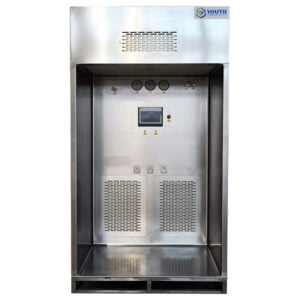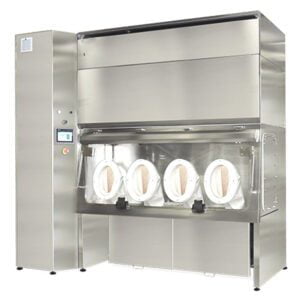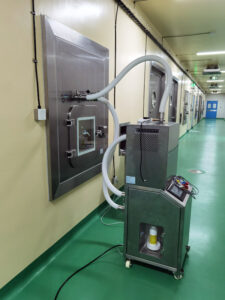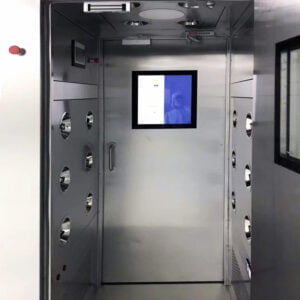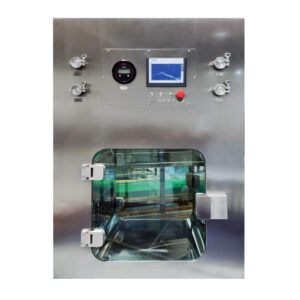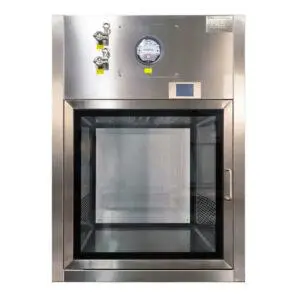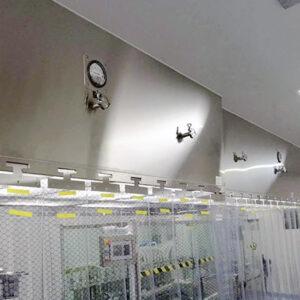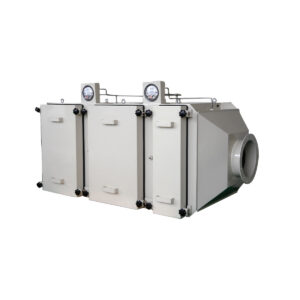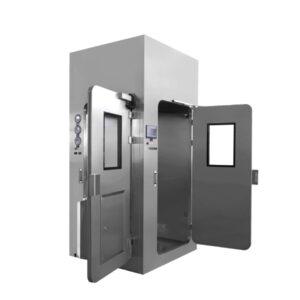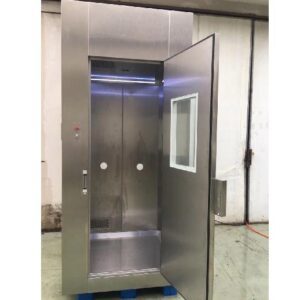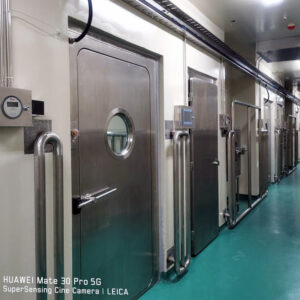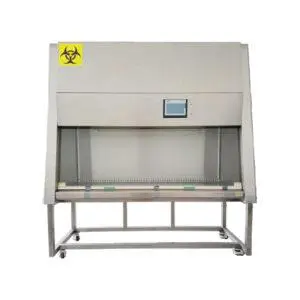
In cleanroom operations, material transfer presents a persistent contamination risk. The pass box is a critical barrier, and its interlock system—the mechanism preventing both doors from opening simultaneously—is the heart of its protective function. The choice between electronic and mechanical interlocks is often oversimplified to a cost decision, overlooking its profound impact on protocol integrity, compliance burden, and long-term operational risk.
This decision directly shapes your contamination control strategy’s reliability and auditability. As regulatory scrutiny intensifies, particularly in pharmaceuticals under revised guidelines like EU GMP Annex 1, the capability to enforce and document procedures becomes a competitive advantage, not just a compliance checkbox. Selecting the wrong system can lock in procedural vulnerabilities.
Electronic vs Mechanical Interlock: Core Differences Defined
Operational Philosophy and Mechanism
A mechanical interlock is a deterministic, hardware-based system. It uses physical linkages—levers, cams, or sliding bolts—to create a direct, unpowered connection between the two doors. When one door is open, it physically blocks the latch or handle of the opposite door. This design offers an inherent, fail-safe reliability; it functions independently of electrical power or software. Its operation is binary and immutable.
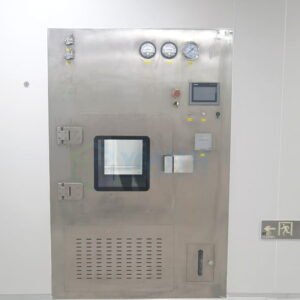
An electronic interlock, in contrast, is a programmable control system. It employs door position sensors, electromagnetic locks, and a programmable logic controller (PLC) to manage access. The system uses software logic to interpret sensor inputs and control lock states, enabling sequences beyond simple mutual exclusion. This fundamental difference creates a strategic trade-off: mechanical systems offer uncompromising, maintenance-light reliability for a single rule, while electronic systems provide flexible, automated control for complex protocols.
Strategic Implications for Facility Design
The core mechanism dictates integration potential. A mechanical interlock is an isolated, point-of-use device. An electronic system functions as a node in a broader network. This capability allows it to interact with other building systems, such as environmental monitors or facility management software. From experience, specifying the interlock type during early design phases is crucial, as retrofitting an electronic system into a facility not planned for it involves significant cost and complexity in conduit, power, and data infrastructure.
Cost Comparison: Capital, Operating, and Total Cost of Ownership
Analyzing Upfront and Recurring Expenses
Initial capital expenditure typically favors mechanical interlocks. Their simpler construction, lacking sensors, controllers, and wiring, results in a lower purchase price. Electronic systems command a premium for their components and programming. However, focusing solely on purchase price is a common financial misstep. The true cost is revealed in the Total Cost of Ownership, which includes installation, energy, maintenance, and potential operational downtime over the asset’s life.
The Total Cost of Ownership Reality
Operating costs diverge significantly. Mechanical systems incur minimal costs—periodic inspection for wear and occasional lubrication. Electronic systems have higher ongoing costs: power consumption, validation of software logic, and technical support for sensor and control board issues. Yet, they can offset these costs by reducing operational risk. Automating protocols minimizes human error in critical transfers, potentially avoiding costly contamination events or batch losses. The table below breaks down the key cost drivers.
| Cost Component | Mechanical Interlock | Electronic Interlock |
|---|---|---|
| Initial Capital Cost | Lower | Higher |
| Operating Cost | Low | Moderate |
| Maintenance Complexity | Simple | Complex |
| Long-term TCO Factor | Wear & lubrication | System integration & data |
Source: Technical documentation and industry specifications.
Material Selection as a Cost Factor
A frequently overlooked detail is how material choice impacts TCO. Specifying AISI 304 or 316 stainless steel for the interior, while a higher initial investment, directly reduces long-term costs. Superior cleanability and corrosion resistance lower validation effort, decrease contamination risk, and extend the unit’s service life, supporting continuous GMP compliance without premature replacement.
Contamination Control Performance: Which System Is More Effective?
Enforcing the Basic Rule
Both systems competently fulfill the primary mandate: preventing simultaneous door opening. A mechanical interlock provides a robust, tactile barrier ideal for static pass boxes between areas of equal classification, such as ISO 7 to ISO 7. Its performance is consistent and verifiable through a simple physical check. The system’s effectiveness is absolute within its designed scope.
Enabling Advanced Hygiene Protocols
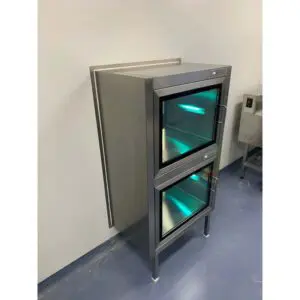
Where electronic interlocks excel is in enforcing procedural contamination control. For dynamic pass boxes or transfers into higher-grade cleanrooms, protocol often requires a HEPA air purge or UV-C disinfection cycle. An electronic system can be programmed to automatically initiate and complete this cycle before unlocking the destination-side door. This removes reliance on operator memory and compliance, a significant vulnerability. The performance comparison is clear.
| Performance Aspect | Mechanical Interlock | Electronic Interlock |
|---|---|---|
| Core Function | Physical door blocking | Programmable logic control |
| Protocol Enforcement | Operator-dependent | Automated sequence enforcement |
| Ideal Cleanliness Gradient | Equal classification zones | Lower to higher classification |
| Key Adjunct Feature | N/A | HEPA purge/UV-C cycle integration |
Source: ISO 14644-7: Cleanrooms and associated controlled environments — Part 7: Separative devices. This standard specifies minimum requirements for transfer devices like pass boxes, including performance criteria for maintaining contamination control, which directly informs the selection of interlock systems based on the cleanliness gradient and required air management.
The Hierarchy of Control
It’s critical to remember that features like UV-C are adjuncts. Their effectiveness is secondary to the core integrity of the interlock and the performance of the HEPA filtration in dynamic systems. The interlock ensures the procedure is followed; the HEPA filter cleans the air. Prioritizing a flashy feature over these foundational elements is a misallocation of resources.
Key Use Cases: Where Each Interlock System Excels
The Domain of Mechanical Interlocks
Mechanical systems are the optimal choice for straightforward, low-risk transfer scenarios. They excel in environments with stable procedures and minimal protocol complexity. Their ideal application is in static pass boxes used for routine material movement between adjacent areas of similar cleanliness classification, where no automated decontamination cycle is mandated. Their simplicity is their strength in these contexts.
The Mandate for Electronic Control
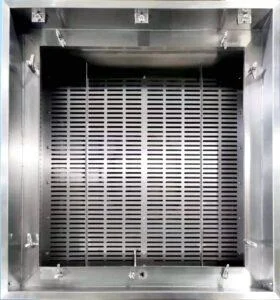
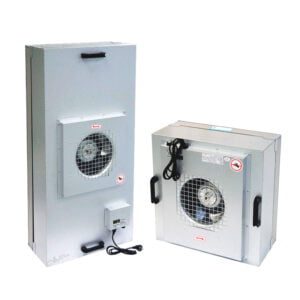
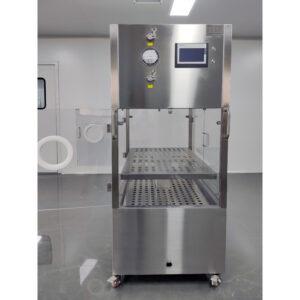
Electronic interlocks become indispensable for high-risk applications. They are effectively mandatory for dynamic pass boxes, which actively manage particulate risk with integrated HEPA filtration when moving materials into higher-grade cleanrooms. Their programmability is also critical for facilities requiring validated, auditable processes. In pharmaceutical production, biotechnology, and advanced medical device manufacturing, where protocol enforcement and data logging are paramount, the electronic interlock transitions from an option to a necessity. For facilities managing these complex transfers, evaluating a high-performance dynamic fan filter unit pass box with an electronic interlock is a logical step.
Maintenance, Reliability, and Long-Term Operational Impact
Reliability Profiles and Failure Modes
The reliability models are distinct. Mechanical interlocks offer high, power-free reliability. Failure modes are typically gradual—wear on moving parts—and often detectable during routine inspection. Electronic system reliability is contingent on stable power (usually backed by UPS) and control system integrity. Failure can be sudden—a sensor fault or software glitch—and may require specialized diagnostics. The choice here is between predictable wear and potential systemic fault.
Committing to a Maintenance Regimen
Procuring a dynamic pass box with an electronic interlock commits the organization to a scheduled technical support plan. This is not optional; it is essential to maintain the unit’s contamination control value. Beyond the interlock system itself, the integrated mechanical components demand attention. The operational impact is clear in the required maintenance schedule.
| Factor | Mechanical Interlock | Electronic Interlock |
|---|---|---|
| Primary Reliability Driver | Physical hardware | Power & control system |
| Maintenance Schedule | Periodic inspection | Scheduled technical upkeep |
| Critical Component Lifespan | Mechanical parts | HEPA filters (6-12 months) |
| Operational Impact | Low technical support | Requires dedicated support plan |
Source: Technical documentation and industry specifications.
The Hidden Cost of Downtime
A easily overlooked detail is the cost of downtime. A mechanical interlock can often be repaired quickly with basic tools. Diagnosing and repairing an electronic system fault may require a specialist, potentially idling a critical material transfer point for longer. Your internal maintenance capability should directly influence this aspect of the decision.
Integration and Compliance: Audit Trails and Validation
From Standalone Device to System Node
Electronic interlocks provide transformative value through integration. They facilitate connection to a Building Management System (BMS), enabling centralized, real-time monitoring of door cycles, purge completion, and alarm states. This turns the pass box from an isolated piece of equipment into a visible, managed component of the facility’s overall contamination control strategy.
Generating Defensible Data for Audits
This is the strategic advantage. Electronic systems generate immutable audit trails, automatically logging each transfer event with timestamps and confirming that required purge or UV cycles were completed before door release. In our work with quality teams, this automated data logging is the single most valued feature during regulatory audits. It provides objective, tamper-evident proof of procedure adherence, directly addressing the data integrity requirements emphasized in modern regulations.
| Capability | Mechanical Interlock | Electronic Interlock |
|---|---|---|
| BMS Integration | Not possible | Centralized monitoring enabled |
| Audit Trail Generation | None | Automatic event logging |
| Protocol Verification | Manual record-keeping | Automated cycle confirmation |
| Regulatory Data Integrity | Basic | High, for material transfers |
Source: EU GMP Annex 1: Manufacture of Sterile Medicinal Products. This guideline mandates interlocked pass-through hatches and emphasizes a Contamination Control Strategy, requiring documented evidence of control. Electronic interlocks provide the data integrity and automated logging needed to meet these validation and audit requirements.
Decision Framework: How to Choose the Right System for Your Facility
Assess Technical and Procedural Needs
Begin by mapping the contamination risk. Determine the cleanliness classification gradient between the source and destination zones. Is it a transfer between equal classifications (e.g., ISO 8 to ISO 8) or from a lower to a higher grade (e.g., ISO 8 to ISO 7)? This dictates whether a static or dynamic pass box is required. Next, evaluate procedural complexity. Do your SOPs require timed air purges, dwell times, or disinfection cycles? If yes, an electronic interlock is necessary to enforce them reliably.
Evaluate Compliance and Operational Capability
Then, scrutinize your compliance and data needs. Will you need to provide audit trails for material transfers? Is integration with a facility management system a current or future priority? If the answer is yes, electronic systems are essential. Finally, conduct an honest internal assessment. Analyze lifecycle costs against your budget, and evaluate your maintenance team’s capability to support the chosen technology. Do you have the technical resources for the scheduled upkeep of an electronic system and its HEPA filters?
Planning for Future-Proofing
Consider the trajectory of your operations. Selecting a network-ready electronic interlock is an investment in future-proofing. The pass box can evolve from a simple transfer point into a smart process gateway, potentially integrating with user authentication systems or inventory management software for full material traceability. The decision you make today should support where your facility needs to be in five years.
The optimal interlock system balances uncompromising contamination control with sustainable operational reality. For low-risk, equal-classification transfers, the mechanical interlock’s simplicity and reliability are unmatched. For high-risk applications, dynamic environments, or where auditability is non-negotiable, the programmable enforcement and data integrity of an electronic system justify its complexity and cost. The final choice hinges on a clear-eyed assessment of risk gradient, procedural requirements, and long-term compliance strategy.
Need professional guidance to specify the right pass box interlock system for your cleanroom’s specific contamination control strategy? The engineering team at YOUTH can help you analyze your transfer protocols and classification requirements to recommend a validated solution. For a detailed consultation on your application, you can also Contact Us directly.
Frequently Asked Questions
Q: How does the choice between electronic and mechanical interlock affect our facility’s validation and audit readiness?
A: Electronic interlocks provide a strategic advantage for validation by generating automated, immutable audit trails that log every door cycle and prove required purge or UV disinfection steps were completed. This data integrity is critical for meeting regulatory scrutiny in GMP environments, as outlined in EU GMP Annex 1. If your operation requires documented proof of protocol compliance, you must plan for an electronic system and its integration into your quality management system.
Q: What are the key maintenance considerations when selecting a dynamic pass box with an electronic interlock?
A: Procuring a dynamic pass box commits you to a scheduled technical support plan, as it is a complex sub-system. Maintenance includes replacing pre-filters approximately every six months and HEPA filters every six to twelve months to preserve contamination control performance. This ongoing regimen is a critical operational expense. For facilities with limited in-house technical resources, you should factor the cost and availability of specialized service contracts into your total cost of ownership analysis from the start.
Q: When is a mechanical interlock system the technically correct choice for a pass box?
A: A mechanical interlock is optimal for low-risk transfers between adjacent areas of identical or similar cleanliness classification, such as ISO 7 to ISO 7. Its physical, power-free operation provides inherent fail-safe reliability where complex automated hygiene cycles are unnecessary. This means facilities with stable, simple transfer procedures between equal-grade zones should prioritize the simpler maintenance and lower capital cost of a robust mechanical system.
Q: How do electronic interlocks enable better contamination control than just preventing simultaneous door opening?
A: Electronic systems enforce superior control by programming and automatically executing multi-step hygiene protocols. They can initiate and complete a full HEPA air purge or UV-C cycle before unlocking the receiving-side door, eliminating reliance on operator compliance for critical steps. This programmable enforcement is indispensable for dynamic pass boxes moving materials into higher-grade cleanrooms. If your process involves a cleanliness gradient, you need an electronic interlock to actively manage particulate risk.
Q: What design standards apply to pass box interlock systems for cleanroom use?
A: Pass boxes, as separative devices, must meet the minimum design and performance requirements specified in ISO 14644-7. This standard covers air cleanliness, leakage, and testing. Furthermore, for pharmaceutical applications, their design and qualification must align with the contamination control strategy mandated by EU GMP Annex 1. This means your specification and vendor selection process must ensure the system meets both international engineering and industry-specific regulatory benchmarks.
Q: How should we evaluate the total cost of ownership for electronic versus mechanical interlock systems?
A: Look beyond initial capital cost, which is lower for mechanical systems. Analyze total cost of ownership by including the higher operational expense of electronic systems, such as sensor verification, software checks, and filter replacements. However, also account for electronic systems’ potential to reduce operational risk and cost by automating protocols and minimizing human error. For projects where procedural complexity is high, the investment in an electronic system often justifies itself through reduced contamination events and streamlined audits.
Q: In what scenario is an electronic interlock absolutely necessary for a pass-through?
A: An electronic interlock is mandatory for any dynamic pass box that uses active HEPA filtration to protect a higher-grade cleanroom. Its programmability is also essential when validated, auditable processes are required, such as in pharmaceutical or biotechnology production where data logging proves protocol adherence. This means if your material transfer crosses a cleanliness boundary or falls under strict GMP, you should specify an electronic system to meet both technical and compliance needs.
Related Contents:
- Pass Box Working Principles Explained: Interlock Mechanisms, Airflow Dynamics, and UV Sterilization Cycle Design for Cleanroom Applications
- VHP Pass Box Market Forecast: 2025-2030 Growth Analysis
- The Complete Pass Box Selection and Implementation Guide for Cleanroom Contamination Control: 2025 Edition with GMP and ISO 14644 Compliance Framework
- VHP vs Traditional Pass Boxes: Key Differences Compared
- How Does Mechanical Interlock Work in Pass Box Systems: 5 Key Components and Safety Mechanisms
- VHP Pass Box Validation: IQ/OQ/PQ Compliance Checklist
- Interlocking Door Mechanisms: Safeguarding Cleanroom Integrity
- Cleanroom Material Transfer: Best Practices
- VHP Pass Box Rental Programs: Cost-Benefit Analysis 2025