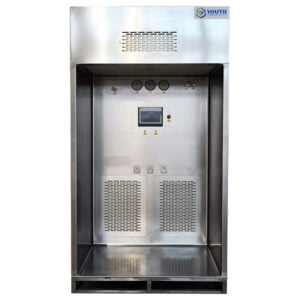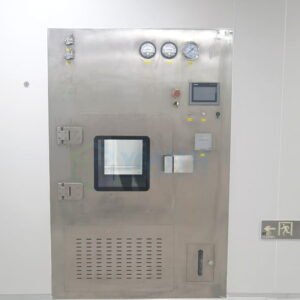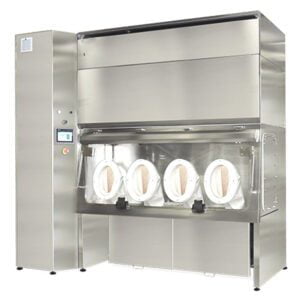
Specifying a GMP-compliant mist shower system requires more than a checklist of parts. The core challenge is integrating interdependent physical parameters into a validated system that guarantees repeatable decontamination, personnel safety, and water conservation under variable facility conditions. Professionals must move beyond component-level specifications to a holistic performance model.
Attention to these integrated specifications is critical now. Regulatory scrutiny on cleaning validation is intensifying, while sustainability mandates push for lower water and energy use without compromising protocol efficacy. In 2025, the strategic imperative is to select systems engineered as a cohesive unit, where droplet size, air flow, and pressure control work in concert to deliver a guaranteed, auditable outcome.
Key Technical Specifications for GMP Mist Showers in 2025
Defining the Integrated System
The technical foundation rests on three non-negotiable parameters: droplet size distribution, air flow integration, and pressure stability. These are not isolated metrics but engineered to function as a single system. The valve, piping, and showerhead must be validated as a unit to deliver consistent spray characteristics. This systems-based approach, a shift from catalog-based component selection, is essential for GMP protocols where procedural reliability is paramount.
The 2025 Performance Mandate
For 2025, the mandate is integrated system performance. Professionals prioritize components that guarantee rated outcomes under real-world conditions, such as fluctuating supply pressure. This requires manufacturers to provide holistic performance data, not just individual part specifications. The goal is to eliminate performance gaps between design intent and operational reality, ensuring every activation meets the validated standard for decontamination efficacy and user safety.
Core Parameter Benchmarks
Adherence to benchmark specifications forms the baseline for any GMP-compliant system. These targets are derived from industry standards and efficiency mandates, creating a framework for initial selection and subsequent validation.
| Parameter | Target Specification | Critical Function |
|---|---|---|
| Droplet Size (Dv50) | 50–200 µm | Decontamination & water conservation |
| Operating Pressure Range | 1.5 to 4.0 bar | System input tolerance |
| Pressure Compensation Stability | ±10% performance | Repeatable spray character |
| Maximum Flow Rate | 2.0 GPM (7.6 L/min) | High-efficiency benchmark |
Source: ASME BPE-2022. This standard provides critical design and performance requirements for hygienic spray devices, ensuring cleanability and validated, repeatable operation essential for GMP compliance.
Droplet Size Standards: Optimizing Coverage and Decontamination
The Physics of Effective Rinsing
Droplet size, typically measured as the mean diameter (Dv50), directly determines the physical action. A range of 50–200 µm maximizes surface area contact for chemical neutralization and rinsing while minimizing water volume. Droplets that are too large waste water and can cause splashing; those too small risk aerosolization into breathing zones. The specification must balance decontamination efficiency with user and environmental safety.
Validating Beyond the Mean
Performance is not defined by a mean diameter alone. Uniform spray coverage over the entire target area and a controlled, predictable spray force are equally critical. These factors are validated through patternation tests and user experience metrics. In our validation work, we’ve seen systems with identical Dv50 specs produce vastly different coverage patterns, underscoring the need to test the entire spray character, not just a single metric.
Standardizing the Outcome
This principle of performance standardization is a prerequisite for regulatory acceptance. Validation must certify that the specified droplet size delivers both effective decontamination and a consistent user experience. This ensures personnel follow protocols correctly and that the cleaning process is reproducible batch after batch.
| Performance Factor | Target Range / Metric | Validation Requirement |
|---|---|---|
| Mean Droplet Diameter | 50–200 µm (Dv50) | Laser diffraction analysis |
| Spray Coverage | Uniform target area coverage | Patternation testing |
| Spray Force | Controlled, predictable impact | User experience standardization |
| Water Usage | Minimized volume | Flow rate verification |
Source: Technical documentation and industry specifications.
Air Flow Integration: Balancing Speed, Volume, and Efficiency
Engineering the Spray Sensation
Air integration via venturi-based induction is a key technology for optimizing spray character. Controlled air entrainment atomizes water, softens droplet impact, and increases perceived volume. This enhances user acceptance—a critical factor for protocol compliance—without increasing actual water flow, directly supporting sustainability goals.
The R&D Imperative
Competitive advantage now hinges on spray technology R&D. Manufacturers engineer specific air-water mixing dynamics to create sensations of ample coverage and pressure while strictly adhering to low flow rate mandates. For specifiers, this means the air induction design must be precisely characterized. The result must be a documented, consistent spray character, measured by resultant droplet size and force, not treated as an isolated variable.
A Systems View of Airflow
The strategic implication is that air flow cannot be evaluated separately. It is an integral part of the nozzle’s engineered performance. Selecting a system requires reviewing test data that shows how the integrated air-water design performs across the validated pressure range, ensuring the decontamination efficacy of the mist is maintained under efficiency constraints.
Pressure Control & Compensation for Consistent Performance
The Non-Negotiable for Repeatability
Pressure stability is fundamental to GMP repeatability. Without it, droplet size and spray pattern vary, invalidating the cleaning protocol. Mist shower nozzles must incorporate integral pressure-compensating mechanisms, such as regulated diaphragms, to maintain flow rate and spray performance within a tight tolerance—typically ±10%—across a supply range of 1.5 to 4.0 bar.
Navigating Regulatory Fragmentation
Adherence to flow rate standards is a baseline, but the landscape is evolving. While 2.0 GPM is a common high-efficiency benchmark, state-level standards like California’s 1.8 GPM are creating regulatory fragmentation. This necessitates modular or configurable product designs. Specifiers must verify that the chosen system’s pressure compensation is validated for the specific flow rate mandated in their jurisdiction, ensuring compliance without custom engineering.
Guaranteeing Holistic Performance
This requirement underscores the need for a guaranteed-performance system. The pressure-compensating mechanism is a core component that empowers professionals to specify with confidence, knowing the entire unit will deliver the validated outcome regardless of common upstream fluctuations.
| System Component | Performance Requirement | Compliance Implication |
|---|---|---|
| Nozzle Mechanism | Integral pressure-compensating | ±10% flow stability |
| Supply Pressure Range | 1.5 – 4.0 bar input | Validated operational window |
| Jurisdictional Flow Max | e.g., CA: 1.8 GPM | Regulatory fragmentation handling |
| System Guarantee | Holistic performance data | Validated unit outcome |
Source: ASME BPE-2022. The standard’s focus on system design and validation ensures that pressure control mechanisms are engineered to deliver consistent, documented performance under variable conditions, a core GMP requirement.
Material Selection and Design for GMP Compliance
Foundational Hygienic Requirements
All wetted surfaces must be constructed from GMP-compliant materials like 316L stainless steel or approved plastics that are cleanable, corrosion-resistant, and compatible with cleaning agents. Design must facilitate complete drainage, eliminate dead legs, and prevent biofilm harborage. These are non-negotiable fundamentals for any equipment in a controlled environment.
The Rising Baseline for Usability
Design trends are raising baseline expectations. Magnetic docking systems, once a luxury, are now a universal ergonomic standard. They ensure precise, repeatable placement of the showerhead, enhancing user convenience and preventing hose contamination in critical zones. This feature directly supports procedural consistency and personnel compliance.
Integrating Point-of-Use Protection
A significant trend is the integration of advanced filtration (e.g., KDF/VC) within the fixture itself. For mist showers in sensitive GMP zones, this introduces a consumable component to manage water quality at the point of use. It can protect nozzles from scaling and mineral buildup that alter droplet size, but it also adds a new layer of performance dependency on a strict filter maintenance and replacement schedule.
Validation Protocols: IQ, OQ, and Performance Qualification (PQ)
The Qualification Framework
Installation (IQ), Operational (OQ), and Performance Qualification (PQ) protocols transform specifications into verified compliance. IQ confirms the system is installed correctly per its design. OQ verifies it operates within specified parameters under actual supply conditions. PQ demonstrates it consistently meets user requirements over time, which is the ultimate proof of GMP suitability.
Executing Critical Tests
Critical tests for a mist shower include flow rate verification, spray patternation analysis, and droplet size analysis via laser diffraction. These tests provide objective data that the system performs as specified. The framework for such rigorous testing is well-established by international standards, which provide the methodological foundation for GMP validation.
The Data-Enabled Future
The strategic driver is a move toward data-enabled fixtures that provide auditable proof of performance. While current GMP validation is periodic, the next frontier involves smart sensors providing continuous verification of flow, pressure, and even water quality. This shift enables real-time compliance data and predictive maintenance alerts, fundamentally strengthening the quality assurance framework beyond scheduled manual checks.
| Qualification Phase | Key Verification Activities | Typical Test Method |
|---|---|---|
| Installation (IQ) | Correct per design installation | Documentation review |
| Operational (OQ) | Parameter verification | Flow rate, pressure tests |
| Performance (PQ) | Consistent user requirement meeting | Spray patternation analysis |
| Critical Test | Droplet size analysis | Laser diffraction |
Source: ISO 15883-1:2024. This standard specifies the general requirements and tests for washer-disinfectors, providing the foundational framework for the IQ, OQ, and PQ protocols necessary to validate mist shower performance in GMP environments.
Ongoing Maintenance and Monitoring for Sustained Compliance
Proactive Regimen Essentials
Sustained compliance demands a proactive, not reactive, maintenance regimen. Regular nozzle inspection and cleaning are mandatory to prevent clogging or scaling, which directly alters droplet size and spray pattern. Utilizing self-cleaning silicone nozzle orifices can significantly mitigate this risk. Calibration of upstream pressure regulators is equally critical to ensure the supply remains within the system’s validated range.
Managing Integrated Consumables
The business model is shifting with integrated features. If point-of-use filters are installed, their replacement cycle becomes a critical, scheduled maintenance activity. This creates a consumables revenue stream for suppliers but, more importantly, a performance dependency for users. Failure to replace filters on schedule can degrade water quality, affect spray performance, and potentially breach GMP protocols.
Leveraging Performance Documentation
Documented water and energy savings from high-efficiency, well-maintained systems can provide a tangible financial return. This data could justify participation in utility-funded rebate programs, offering a financial incentive for the upfront investment in premium, maintainable technology. It transforms the compliance cost into a measurable operational saving.
Selecting the Right Mist Shower System: A Decision Framework
Align Specifications with Requirements
First, align core technical specs—Dv50, pressure compensation range, certified flow rate—with both procedural needs and local regulatory mandates. Account for regulatory fragmentation by confirming the system is validated for your jurisdiction’s specific requirements.
Prioritize Engineered User Acceptance
Second, prioritize designs with engineered spray patterns that ensure user acceptance at mandated low flows. Review performance data that demonstrates consistent coverage and force. Systems that feel inadequate will lead to protocol non-compliance, negating any technical specification.
Evaluate Total Cost of Ownership
Third, evaluate the total cost of ownership. Factor in the maintenance schedule, potential consumables like filters, and the cost of validation. Engage trade professionals to assess how the system integrates with facility-wide pressure and water quality parameters, adopting a systems-based approach for installation and long-term performance.
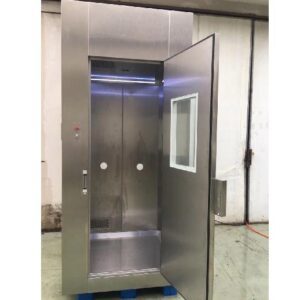
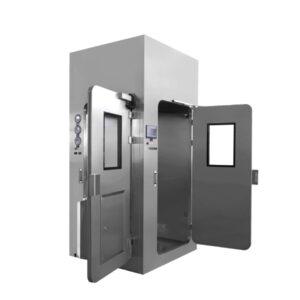
For facilities requiring a system that embodies this integrated, specification-driven approach, exploring engineered solutions like a validated cleanroom mist shower is a logical step. Finally, adopt a forward-looking perspective. “Wellness-integrated” features like advanced filtration may soon intersect with broader building health standards, positioning the mist shower as part of a holistic facility health strategy.
The decision hinges on verifying integrated system performance against core GMP parameters: validated droplet size, guaranteed pressure compensation, and material compliance. Prioritize suppliers that provide holistic performance data, not just component specs, and design for maintainability to ensure sustained compliance. Implement a rigorous IQ/OQ/PQ protocol anchored in relevant standards to transform specifications into auditable reality.
Need professional guidance on specifying a GMP-compliant mist shower system that integrates these technical parameters? The experts at YOUTH can help you navigate the specifications and validation requirements for your facility.
For direct consultation, you can also Contact Us.
Frequently Asked Questions
Q: What is the optimal droplet size range for a GMP-compliant mist shower, and why does it matter beyond just decontamination?
A: The target mean droplet diameter (Dv50) for effective GMP mist showers is 50–200 µm. This fine mist maximizes surface contact for rinsing while conserving water and preventing hazardous aerosolization. However, validation must also confirm uniform spray coverage and controlled force through patternation tests to ensure procedural reliability. This means facilities must select systems where the specified droplet size delivers both proven efficacy and a predictable user experience to guarantee personnel compliance with decontamination protocols.
Q: How does air flow integration affect spray performance and what should we look for in a system specification?
A: Engineered air entrainment, typically via venturi induction, softens droplet impact and enhances perceived coverage without increasing water volume. For GMP, the critical factor is selecting a system where this air-water mixing is precisely characterized to produce a documented and consistent spray character, measured by final droplet size and force. This engineered performance is a key differentiator. For projects where user acceptance at low flow rates is crucial, prioritize vendors that provide holistic performance data for their integrated spray technology.
Q: Why is pressure compensation non-negotiable for mist showers in a GMP facility?
A: Pressure-compensating mechanisms within the nozzle are essential to maintain flow rate and spray performance within ±10% across typical supply pressures (1.5-4.0 bar). This stability ensures the validated droplet size and air entrainment are delivered consistently, which is foundational for repeatable decontamination outcomes. If your operation experiences upstream pressure fluctuations, you must verify the system’s compensation is validated for your specific mandated flow rate, which may be as low as 1.8 GPM depending on local regulations.
Q: Which material and design features are critical for mist showers to meet GMP hygiene standards?
A: All wetted surfaces must use cleanable, corrosion-resistant materials like 316L stainless steel, with designs that prevent biofilm and allow drainage. Beyond basics, features like magnetic docking are now a universal ergonomic standard for precise, repeatable placement. Furthermore, integrated point-of-use filtration (KDF/VC) adds a layer of control for water quality in sensitive zones. This means your total cost of ownership analysis must now include the maintenance schedule and consumable cost for any integrated filters, aligning with the requirements for hygienic systems in ASME BPE-2022.
Q: What are the key elements of Performance Qualification (PQ) for a mist shower system?
A: PQ demonstrates the system consistently meets user requirements over time, with critical tests including flow rate verification, spray patternation analysis, and droplet size measurement via laser diffraction. This protocol transforms technical specifications into auditable proof of performance for regulatory acceptance. For facilities aiming to strengthen quality assurance, you should consider systems with data-enabled features that support continuous verification, moving beyond periodic validation toward real-time compliance monitoring.
Q: How should we approach selecting a mist shower system to ensure long-term GMP compliance?
A: Use a multi-faceted framework: first, align technical specs (Dv50, pressure compensation, flow rate) with local codes and procedural needs. Second, prioritize engineered spray patterns proven for user acceptance at low flows. Third, evaluate total cost of ownership, including filter consumables and maintenance. Finally, engage trade professionals to ensure the system integrates with your facility’s water pressure and quality parameters. This systems-based approach, supported by standards like ISO 15883-1:2024, ensures you select a validated unit rather than a collection of components.
Q: What ongoing maintenance is required to sustain the validated performance of a mist shower?
A: A proactive regimen is essential, including regular nozzle inspection and cleaning to prevent clogging that alters droplet size, and calibration of upstream pressure regulators. If the system uses integrated filters, adhering to their replacement cycle becomes a critical scheduled activity. This operational discipline directly supports sustained compliance. For operations seeking to justify capital investment, document the water-energy savings from a well-maintained system, as this data may qualify for utility rebate programs.
Related Contents:
- Water Quality in Chemical Showers: Management Tips
- Chemical Shower Activation Sensors: Latest Innovations
- GMP Compliant Air Filters | FDA Requirements Cleanroom Validation
- Mist Shower Water Pressure Requirements: Achieving Uniform 5-10 Micron Droplet Distribution
- Water Supply for Chemical Showers: System Design Guide
- Validated Cleanroom Shower Systems | Audit Preparation Checklist
- Why Mist Showers Prevent Secondary Contamination Better Than Traditional Wet Shower Systems
- Mist Shower Operating Principles: How Ultrasonic Fogging Technology Achieves 5-10 Micron Droplet Decontamination in Cleanrooms
- Enclosed Chemical Shower Rooms: Privacy and Safety