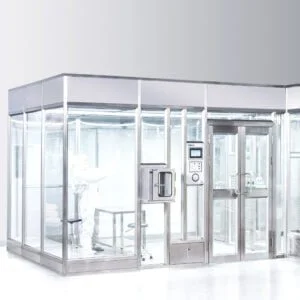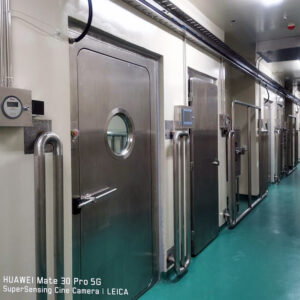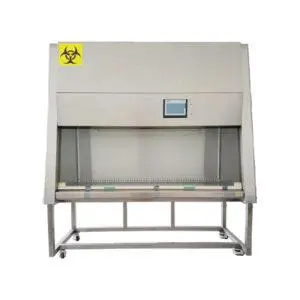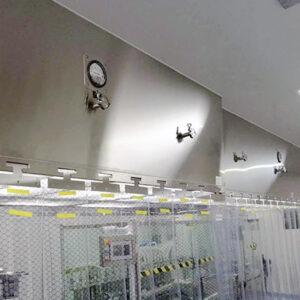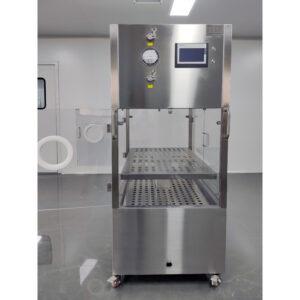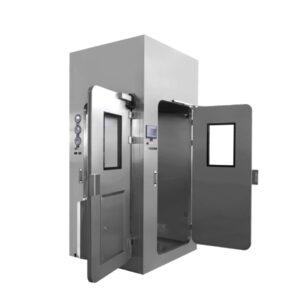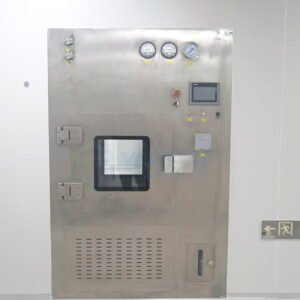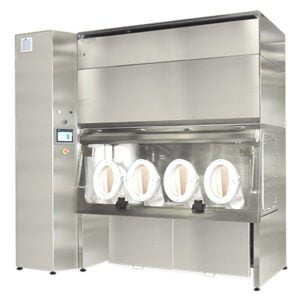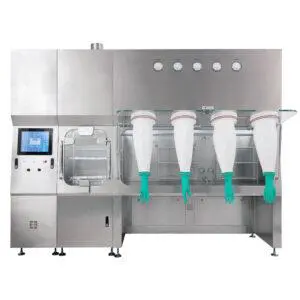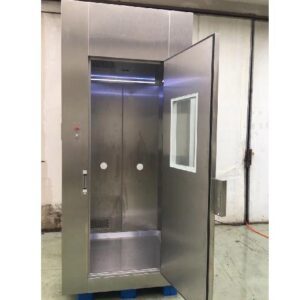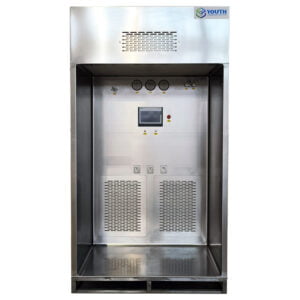
In the realm of cleanroom technology, maintaining stringent cleanliness standards is paramount. One of the key tools in achieving this is the cleanroom mist shower, particularly those offered by YOUTH Clean Tech. Here’s a detailed look at the features, benefits, and maintenance requirements of YOUTH’s cleanroom mist showers.
Key Features of YOUTH Cleanroom Mist Showers
Atomization System
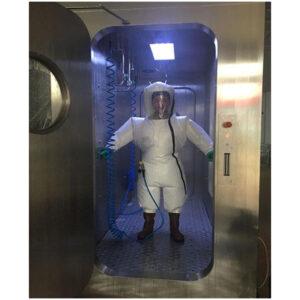
- The mist shower room’s atomization system uses an atomizing fan and atomizer to create a fine mist of water, which is then distributed through the shower area.
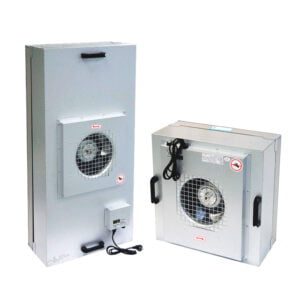
Exhaust Fan and Ventilation
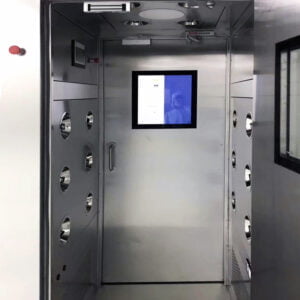
- The exhaust fan operates when the door is opened, preventing mist from being discharged and ensuring efficient air circulation.
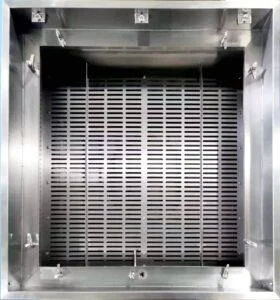
HEPA Filters
- Confirm the quoted filtration configuration and the manufacturer’s available records.
Programmable PLC
- The mist shower room utilizes a programmable PLC for fully automatic operation, allowing adjustable timing to suit individual needs.
Hidden Door Frame and Slope Transitions
- Features a hidden door frame and slope transitions for a sleek appearance and easy cleaning.
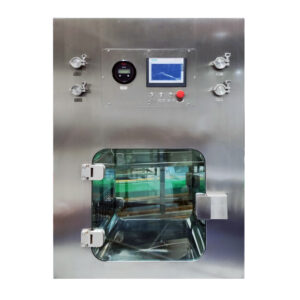
Control Panel
- Includes a control panel with an organic glass cover for easy operation and adjustment of settings.
Additional Features and Benefits
Multiple Applications
- A site may consider a mist shower as part of its entry or exit arrangements. Its actual suitability and limits require facility approval for the intended use; equipment descriptions alone do not establish removal from skin or clothing.
Customization
- Review the footprint and interface drawing for the model quoted.
Environmental Friendliness
- Compare utility and maintenance requirements at the proposed service conditions.
Application Verification
- Combines the air blowing function of common air showers with the water mist blowing function, enhancing the cleansing effect.
Maintenance and Troubleshooting
Regular Maintenance
- Follow the approved facility maintenance plan and the documentation for the installed model.
Common Issues
- Common problems include clogged spray nozzles, damaged filters, and incorrect pressure levels. These issues can often be fixed by cleaning or replacing the affected components.
Choosing the Right Cleanroom Shower
When selecting a cleanroom shower, several factors need to be considered:
- Intended use: Confirm the facility’s acceptance criteria before comparing equipment.
- Model scope: Compare the utility connections, maintenance access and model-specific records.
- Level of Cleanliness: Select a shower that meets the required cleanliness standards.
- Utilities: Consider the availability of water and electricity.
- Customization: Opt for a shower that can be customized to meet specific needs.
Comparison of Cleanroom Showers
| Type of Shower | Key Features | Ideal Use Cases |
|---|---|---|
| Air Shower | High-velocity HEPA-filtered air to remove loose particles | Effective for removing surface particles in general cleanroom environments. |
| Mist Shower | Fine mist of water mixed with disinfectants to remove and neutralize contaminants | Thorough surface decontamination in biohazard environments and high-pollution areas. |
| Water Shower | Water jets to physically remove larger particles and contaminants | Situations where direct water contact is permissible, such as in P3/P4 biological labs. |
| Chemical Decontamination Shower | Dispenses chemical disinfectant mist to neutralize biological contaminants | Areas with potential biological contaminants, especially in hazardous material handling. |
Conclusion
For a quotation, share the proposed location, equipment interfaces and acceptance scope. Confirm whether the proposed model’s intended use matches the site’s requirements.