A successful Bag-in/Bag-out (BIBO) filter changeout hinges on a single, critical interface: the seal between the bag collar and the housing port. The integrity of this seal is the engineered control that separates a closed, safe procedure from a high-risk exposure event. While the principle is straightforward, the practical execution—specifically, the method of bag attachment—is where containment protocols often fail. Professionals face the challenge of achieving a leak-tight, uniform seal that must withstand negative pressure, bag movement, and procedural handling without relying on variable manual force.
The shift toward elastic shock cord systems addresses a fundamental gap in traditional clamping methods. This evolution is not merely an accessory upgrade but a response to stricter regulatory interpretations of containment engineering. As engineered controls become the compliance benchmark over administrative PPE protocols, the reliability of the bag attachment mechanism transitions from a procedural detail to a validated system component. Proper technique directly impacts operational safety, filter performance validation, and audit readiness.
Essential Tools and Materials for Elastic Cord Attachment
Defining the Core System Components
A BIBO procedure is only as reliable as its weakest component. The elastic shock cord system is the primary tool, engineered to provide constant, uniform radial tension. This design directly compensates for the dynamic conditions inside a housing, where pressure fluctuations and bag settling can break a static seal. The cord’s elasticity is a calculated feature, not a convenience; it maintains sealing force despite minor material shifts. The BIBO bag itself must be compatible with both the housing’s port size and the hazard category of the contained material. Using a generic bag risks chemical incompatibility or physical mismatch.
The Critical Role of Housing Design
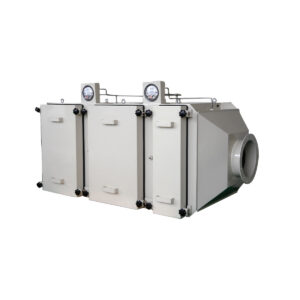
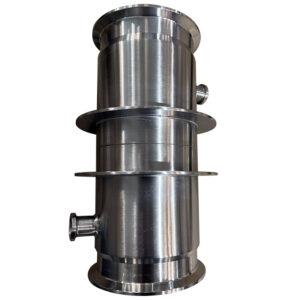
The housing port is the foundation for the seal. Its design dictates the attachment method’s effectiveness. A circular port flange is non-negotiable for optimal performance with an elastic cord. This geometry allows for even tension distribution, eliminating corners where stress concentrates and seals inevitably fail. Specifying circular BIBO filter housings during facility design or retrofit is a proactive measure that enhances long-term containment reliability. The port’s surface finish must also be free of scratches or residue, as any imperfection can compromise the bag collar’s seal.
Component Selection and Verification
Before starting an installation, verify every component. This includes inspecting the elastic cord for signs of dry rot or loss of elasticity and checking the cord lock mechanism for corrosion or damage. The bag should be inspected for pinholes or defects in the reinforced collar. In my experience, the most preventable failures occur when teams assume component compatibility without performing these basic checks. A systematic verification routine is a low-effort, high-impact practice.
The table below outlines the essential components for a secure attachment.
Essential Components for Secure Attachment
| Component | Primary Function | Critical Design Feature |
|---|---|---|
| Elastic Shock Cord | Provides uniform tension | Constant, leak-tight seal |
| BIBO Bag | Forms containment barrier | Housing size & hazard compatible |
| Housing Port | Bag attachment interface | Integrated, circular flange |
| Cord Lock | Secures tension | Prevents slippage |
Source: Technical documentation and industry specifications.
Note: Circular housing design is specified to eliminate corner stress points and ensure uniform seal force.
Step-by-Step Guide to Preparing the Bag and Housing
Isolating and Preparing the Housing
The procedure begins with system isolation. Confirm the housing is under negative pressure and isolated from the ductwork. Visually and tactilely inspect the port flange’s sealing surface. Remove any adhesive residue or particulate matter from previous operations. This surface must be clean and smooth to ensure the bag collar can form a complete seal. Any compromise here cannot be corrected by cord tension alone.
Inspecting and Preparing the New Bag
Carefully unpack and unfold the new BIBO bag in a clean area. Examine the bag film and, critically, the reinforced collar for any manufacturing defects. The collar should be pliable and free of cracks or creases. Familiarize yourself with the bag’s orientation relative to the housing port. Proper preparation at this stage prevents mid-installation corrections that can break containment sequence.
Executing the Sequential Bag Protocol
The core safety principle of BIBO is the sequential bag process. The new bag is installed over the safely sealed remnant of the old bag. This requires the old bag’s neck to have been previously heat-sealed, tied, or clamped and trimmed. Attempting to install a new bag over an unsealed old bag remnant is a critical breach of containment. This procedure transfers risk from the operator’s PPE to the engineered closed system, making strict adherence to the sequence a fundamental component of the safety case.
How to Thread and Secure the Elastic Shock Cord
Initiating the Threading Sequence
Begin by feeding one end of the elastic shock cord completely through the cord lock mechanism. Position the bag’s reinforced collar evenly over the housing’s port flange, ensuring it is not twisted or folded. The collar should sit flush against the entire circumference of the flange. This alignment is crucial; an uneven seat cannot be corrected by tension.
Following the Manufacturer’s Path
Thread the cord through any designated guide holes or channels on the housing bracket. These guides are not optional; they maintain cord position and prevent slippage during tensioning. Continue threading until the cord forms a complete loop. The modular nature of BIBO systems means port designs can vary. Always consult the housing manufacturer’s instructions for the specific threading pattern, as it accommodates the unique geometry required for different system flow rates and filter sizes.
Finalizing the Loop for Tensioning
Once threaded, the two free ends of the cord should be accessible for pulling. The cord lock should be positioned for easy access. Avoid crossing the cord over itself, as this creates friction points that lead to uneven tension. A clean, single loop around the collar is the goal. From this point, the system is ready for the critical tensioning phase.
Proper Techniques for Tensioning and Locking the Cord
Applying Uniform Circumferential Tension
Grip both free ends of the shock cord and pull steadily and evenly. The goal is to take up slack uniformly around the entire collar. Watch the bag collar as you pull; it should draw evenly onto the port flange without twisting or rolling. The elastic properties should allow the cord to stretch slightly, providing the necessary sealing force. This step requires a feel for the material—pulling too slowly won’t achieve tension, while jerking can misalign the bag.
Engaging the Cord Lock
Once a snug, uniform tension is achieved, secure it immediately by sliding the cord lock tight against the loop. Press or toggle the lock fully into its engaged position as per its design. A properly engaged lock will not move when pressure is applied. Do not release tension on the cord ends until you have visually and physically confirmed the lock is fully set.
Validating the Seal Integrity
After locking, validate the seal. Gently press on the bag material near the collar. The bag should not gap away from the flange, and the cord should not slip in the lock. A final visual check should confirm the collar is evenly seated around the entire port circumference. This engineered accessory is what transforms the concept of a sealed bag into a reliable reality.
The following table details the key actions for this phase.
Key Actions for Tensioning and Locking
| Step | Key Action | Success Indicator |
|---|---|---|
| Apply Tension | Pull cord ends evenly | Snug, uniform circumferential fit |
| Lock Cord | Fully engage cord lock | No slippage under pressure |
| Test Seal | Apply gentle bag pressure | No gaping at collar-flange interface |
Source: Technical documentation and industry specifications.
Common Mistakes to Avoid During Installation
Errors in Tension Application
The most frequent errors relate to tension. Insufficient tension fails to compress the bag collar against the flange, resulting in leakage paths. Conversely, over-tensioning can permanently deform or tear the bag’s reinforced collar or exceed the elastic limits of the shock cord, causing it to fail prematurely. The tension should be firm and uniform, not extreme.
Procedural and Compatibility Breaches
Deviating from the sequential bag protocol—such as installing over an unsealed remnant—completely defeats the purpose of the BIBO system. Using bags not rated for the chemical hazard or physical size of the housing is a fundamental compatibility error. Another oversight is neglecting the housing design; attempting to use an elastic cord system on a rectangular or square port introduces inherent points of failure at the corners where seal force is minimal.
Overlooking Pre-Installation Checks
Failing to inspect the cord, lock, bag, and flange surface pre-installation leads to predictable failures. A damaged cord lock that seems functional may release under system vibration. Residue on the flange creates a channel for leakage. These mistakes are entirely preventable with a disciplined pre-use checklist.
The table below categorizes common installation errors and their consequences.
Common Installation Errors and Consequences
| Error Category | Specific Mistake | Consequence |
|---|---|---|
| Tensioning | Insufficient cord tension | Bag detachment, leakage |
| Tensioning | Over-tensioning cord | Damaged bag collar or cord |
| Procedure | Install over unsealed remnant | Breached containment sequence |
| Compatibility | Use incompatible/damaged bags | System integrity failure |
| Housing Design | Non-circular casing | Seal failure at corners |
Source: Technical documentation and industry specifications.
Best Practices for Maintenance and Cord Inspection
Establishing a Proactive Inspection Regime
Containment reliability requires proactive maintenance, not just reactive replacement. Establish a routine schedule to inspect the elastic shock cord for wear, fraying, UV degradation, and loss of elasticity. The cord lock mechanism should be checked for corrosion, cracking, or any damage that impedes its locking function. This systematic approach to component care is supported by principles in standards like ISO 17052:2007 Packaging — Requirements for packaging recoverable in the form of material recycling, which emphasize the importance of ongoing inspection for system reliability.
Maintaining the Broader BIBO System
Inspection should extend to the entire BIBO housing and port, checking for corrosion, gasket integrity, and overall structure. The advantage of modular stainless-steel housings is the ability to adapt filtration stages—swapping HEPA for ULPA or adding activated carbon. However, each filter change-out demands the same rigorous bag attachment procedure. This platform approach future-proofs infrastructure against evolving abatement needs while simplifying maintenance logistics.
Documenting Inspections and Changes
Document every inspection and component replacement. This log provides a performance history, aids in troubleshooting recurring issues, and is essential evidence for regulatory audits and safety reviews. It transforms maintenance from a tacit activity into a managed, verifiable process.
A structured maintenance schedule is critical for long-term performance.
Recommended Maintenance and Inspection Schedule
| Item | Inspection Focus | Check Frequency |
|---|---|---|
| Elastic Shock Cord | Wear, UV degradation, elasticity | Routine schedule |
| Cord Lock Mechanism | Corrosion, functional damage | Routine schedule |
| BIBO Housing & Port | General integrity | Periodic |
| Filter Media (e.g., HEPA) | Performance, change-out need | As required by process |
Source: ISO 17052:2007 Packaging — Requirements for packaging recoverable in the form of material recycling. This standard underscores the importance of systematic inspection and maintenance protocols for packaging system components to ensure ongoing performance and reliability, a principle directly applicable to BIBO system upkeep.
Safety and Compliance Considerations for BIBO Systems
The Shift to Engineered Controls
BIBO systems represent a paradigm shift from administrative to engineered controls. Compliance is increasingly based on the validated performance of the closed system during filter exchange, reducing reliance on PPE protocols alone. This provides a higher, more demonstrable level of safety assurance. Regulators are moving toward mandating such engineered solutions for high-hazard applications, making proper BIBO implementation a strategic compliance issue.
Integrating BIBO into Containment Strategy
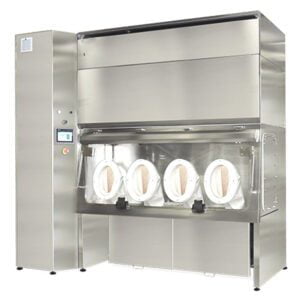
BIBO is not an isolated tool but part of an integrated containment strategy. Specifying BIBO ports on standard enclosures like Ventilated Balance Enclosures (VBEs) effectively upgrades them to higher-containment workstations. This approach future-proofs laboratory and production infrastructure. The core principle of sealed transfers is also migrating to adjacent processes, such as waste removal from isolators, signifying its acceptance as a foundational high-containment methodology.
Validating for Audit and Assurance
The ultimate test of a BIBO installation is its validation under simulated or actual use conditions. This validation data—often from smoke or aerosol challenge testing—becomes the objective evidence for internal safety reviews and external audits. It moves the discussion from “we follow the procedure” to “the system performs to this standard.”
Next Steps: Validating Your Installation and Troubleshooting
Post-Installation Validation Testing
After installation, immediate validation is non-negotiable. Perform an integrity test, such as a smoke test at the bag-to-port interface, to verify the seal. Document the test method and results. This step provides immediate feedback on the installation’s success and creates a baseline record.
Systematic Troubleshooting Approach
If a leak is detected, follow a systematic approach. First, re-check cord tension and re-seat the bag collar. Inspect the cord and lock for damage. Persistent leaks indicate deeper issues: an incompatible bag, a damaged or non-circular housing flange, or a fundamental error in the procedural sequence. Effective troubleshooting relies on understanding the system’s mechanics, not guesswork.
Investing in Training and Quality
Persistent installation problems often point to a training gap or substandard components. Investing in comprehensive, hands-on training for technicians on the sequential bag technique is essential for operational reliability. Similarly, specifying high-quality, compatible BIBO containment bags and accessories is a strategic decision that reduces risk and ensures long-term system performance. As regulations evolve, this investment positions facilities ahead of compliance curves.
The decision to implement a BIBO system centers on three priorities: selecting the correct housing design for a uniform seal, adhering rigidly to the validated sequential bag procedure, and establishing a proactive maintenance regime for all components, especially the attachment system. These steps transform a procedural task into a verified engineered control. Need professional guidance on specifying and implementing reliable BIBO solutions for your containment challenges? The engineers at YOUTH can provide system-specific support. For direct consultation, you can also Contact Us.
Frequently Asked Questions
Q: Why is a circular housing design critical for a leak-tight BIBO seal?
A: A circular filter casing is essential because it eliminates corners where mechanical stress can concentrate and cause seal failure. This geometry allows the elastic shock cord to apply uniform tension around the entire bag collar, directly improving leak tightness against the port flange. For projects where you are specifying new containment systems, prioritize circular housings to ensure more secure bag attachment and reduce long-term integrity risks.
Q: What is the correct sequential procedure for installing a new BIBO bag?
A: The correct procedure is a multi-bag sequential process where the new bag is installed over the properly sealed and trimmed remnant of the old one. This method is the engineered control that transfers contamination risk from operator-dependent PPE protocols to a closed system. This means your standard operating procedure itself becomes a core safety component, and deviating from this sequence by installing over an unsealed bag breaches containment.
Q: How do you achieve the correct tension when securing the elastic shock cord?
A: Correct tension is achieved by pulling the free ends of the cord evenly to create a snug, uniform fit around the bag’s circumference, allowing the elastic properties to compensate for minor bag movement. Secure the tension by fully engaging the cord lock, then test the seal by applying gentle pressure near the collar. If your operation handles dynamic processes with pressure changes, validating this tension step is mandatory to prevent detachment.
Q: What are the most common installation mistakes that compromise BIBO integrity?
A: Key mistakes include applying insufficient or excessive cord tension, using damaged or incompatible bags, and failing to inspect the housing’s sealing surface. The most critical error is attempting to install a new bag over an unsealed old bag remnant, which violates the closed containment sequence. For compliance, your facility must treat adherence to the manufacturer’s validated installation protocol as a mandatory requirement, not a guideline.
Q: What maintenance is required for the elastic cord system after installation?
A: Establish a routine schedule to inspect the shock cord for wear, UV degradation, or loss of elasticity, and check the cord lock for corrosion or damage. This proactive maintenance sustains long-term seal performance. Since BIBO housings are modular platforms for different filter types, plan for this inspection regimen every time you perform a filter change-out, regardless of the filter media swapped in.
Q: How does a BIBO system change the compliance paradigm for high-hazard work?
A: BIBO systems shift safety from administrative and PPE-based controls to validated engineered controls. Compliance hinges on the proven performance of the closed system during filter exchange, which provides a higher, more reliable level of safety assurance by reducing operator exposure risk. This means for future projects, you should specify BIBO ports on standard enclosures to future-proof infrastructure for handling elevated hazards. The core principle is defined in standards for packaging systems, such as those for recoverable materials in ISO 17052:2007.
Q: How do you validate a BIBO installation after attaching the bag?
A: Validate the installation by performing an integrity test, such as a smoke test, at the bag-to-port interface to verify the seal. Document the procedure and all results. If a leak is detected, first re-check cord tension and re-seat the bag collar before inspecting for component damage. This means your post-installation protocol must include a defined test method, and effective troubleshooting relies on rigorous operator training focused on the sequential bag technique.
Related Contents:
- Bag-In/Bag-Out (BIBO) Systems: Operation and Maintenance Guide
- The Complete Bag In Bag Out (BIBO) Filter Housing Guide for Pharmaceutical and Biosafety Facilities: 2025 Technical Edition
- BIBO Filter Housing | Design Principles & Components
- Bag In Bag Out Systems | Safety Fundamentals Explained
- The Intricate World of BIBO Filter Housing
- BIBO System Basics | Bag In Bag Out Filter Principles
- Complete Guide to Bag in Bag Out Filter Bag Installation and Replacement: 8 Critical Safety Steps Explained
- Understanding BIBO | Hazardous Material Containment
- BIBO HEPA Housing Box Installation for Hazardous Environments