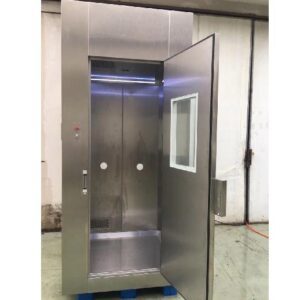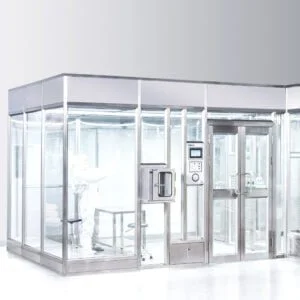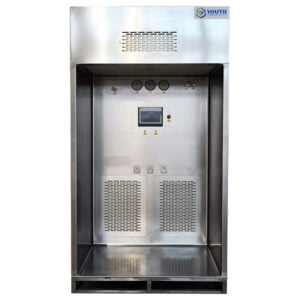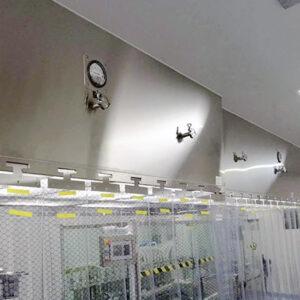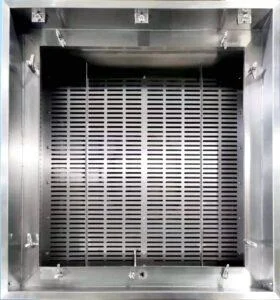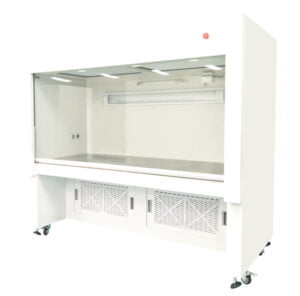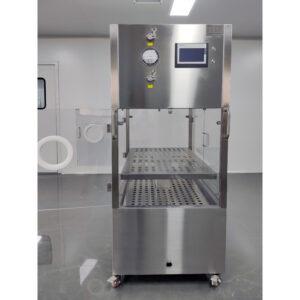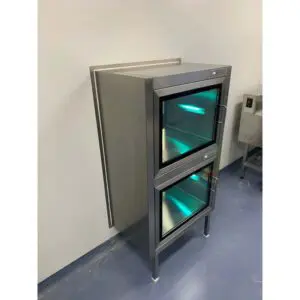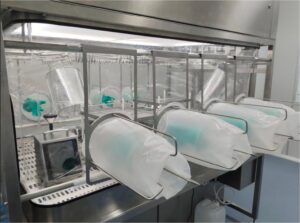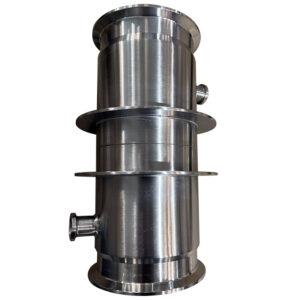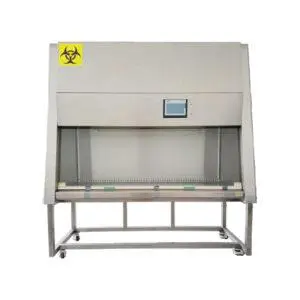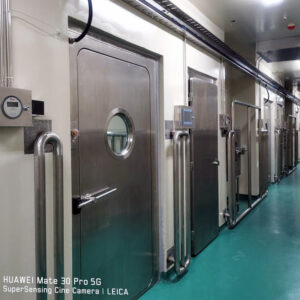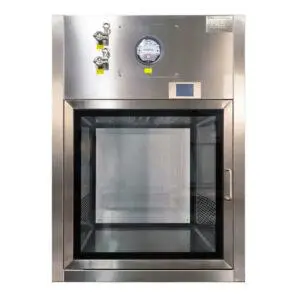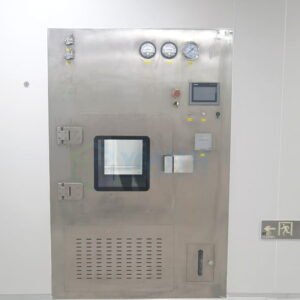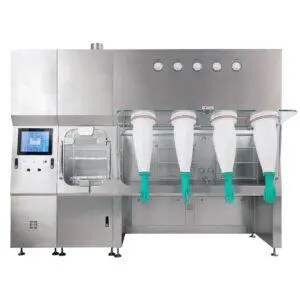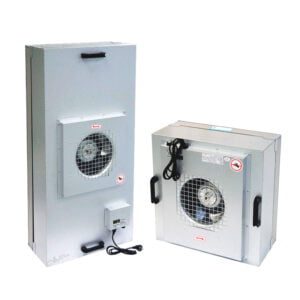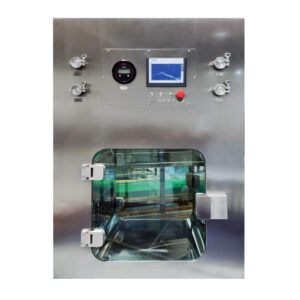
Vaporized Hydrogen Peroxide (VHP) Passboxes have revolutionized the way industries maintain sterile environments, particularly in pharmaceutical and biotech manufacturing. These innovative devices play a crucial role in ensuring the safe transfer of materials between controlled areas without compromising cleanliness or introducing contaminants. As we delve into the intricacies of how VHP Passboxes work, we’ll uncover the sophisticated sterilization process that makes them indispensable in modern cleanroom operations.
The VHP Passbox working principle is based on the powerful sterilizing properties of hydrogen peroxide vapor. This method effectively eliminates a wide range of microorganisms, including bacteria, viruses, and spores, making it an ideal choice for maintaining aseptic conditions. The process involves a carefully orchestrated sequence of steps, each designed to maximize sterilization efficacy while protecting sensitive materials from damage.
In this comprehensive guide, we’ll explore the inner workings of VHP Passboxes, breaking down the sterilization process into its core components. From the initial dehumidification stage to the final aeration phase, we’ll examine how each step contributes to the overall effectiveness of the system. Along the way, we’ll address common questions and concerns, providing you with a thorough understanding of this critical cleanroom equipment.
VHP Passboxes utilize a four-stage decontamination process: dehumidification, conditioning, decontamination, and aeration. This sequence ensures complete sterilization of materials without exposing them to excessive heat or moisture.
How Does the VHP Passbox Initiate the Sterilization Process?
The sterilization process in a VHP Passbox begins with a crucial preparatory stage. Before any hydrogen peroxide vapor is introduced, the chamber must be properly conditioned to ensure optimal effectiveness of the sterilization process.
This initial phase involves carefully controlling the environment within the passbox. The system monitors and adjusts temperature, humidity, and air pressure to create ideal conditions for the subsequent stages of the sterilization process.
One of the key steps in this preparatory phase is dehumidification. The VHP Passbox working principle relies heavily on maintaining the right balance of moisture in the air. Too much humidity can interfere with the effectiveness of the hydrogen peroxide vapor, while too little can lead to inadequate surface coverage.
The dehumidification stage typically reduces the relative humidity within the chamber to below 30%. This low humidity environment is crucial for the efficient vaporization and distribution of hydrogen peroxide in later stages.
| Parameter | Target Range |
|---|---|
| Relative Humidity | < 30% |
| Temperature | 20-25°C |
| Pressure | Slightly positive |
The precise control of these environmental factors sets the stage for a thorough and effective sterilization process, ensuring that every surface within the passbox is properly prepared for decontamination.
What Role Does Hydrogen Peroxide Play in the Sterilization Process?
Hydrogen peroxide is the star player in the VHP Passbox sterilization process. Its unique properties make it an ideal sterilizing agent for use in cleanroom environments, particularly when it comes to sensitive materials that can’t withstand high temperatures or moisture.
In its vaporized form, hydrogen peroxide becomes a powerful oxidizing agent. This means it can effectively break down the cellular structures of microorganisms, rendering them inert. The vapor can penetrate even the smallest crevices and pores, ensuring comprehensive coverage of all surfaces within the passbox.
The conditioning stage of the VHP Passbox working principle involves introducing a precise amount of hydrogen peroxide vapor into the chamber. This is typically done using a specialized injection system that converts liquid hydrogen peroxide into a fine mist or vapor.
During the conditioning phase, the concentration of hydrogen peroxide vapor in the chamber is carefully controlled, typically reaching levels between 250 and 400 parts per million (ppm). This concentration is maintained for a set period to ensure thorough saturation of the environment.
| Phase | Duration | H2O2 Concentration |
|---|---|---|
| Conditioning | 15-30 minutes | 250-400 ppm |
The effectiveness of hydrogen peroxide as a sterilizing agent, combined with its ability to break down into harmless byproducts of water and oxygen, makes it an ideal choice for use in VHP Passboxes. This is particularly important in industries like pharmaceuticals and biotechnology, where maintaining sterility without introducing harmful residues is paramount.
How Does the VHP Passbox Ensure Complete Decontamination?
The decontamination phase is where the VHP Passbox truly shines in its ability to eliminate microorganisms and ensure a sterile environment. This stage builds upon the preparatory work done in the dehumidification and conditioning phases to deliver a thorough sterilization process.
During decontamination, the concentration of hydrogen peroxide vapor in the chamber is increased and maintained at a level that ensures the destruction of all forms of microbial life. This includes bacteria, viruses, fungi, and even highly resistant bacterial spores.
The VHP Passbox working principle relies on maintaining this high concentration of hydrogen peroxide vapor for a specific duration. This exposure time is critical to ensure that even the most resistant microorganisms are effectively neutralized.
The decontamination phase typically maintains a hydrogen peroxide vapor concentration of 500-1500 ppm for a period of 15-30 minutes. This high concentration, combined with the extended exposure time, ensures a 6-log reduction in microbial populations, equivalent to a sterility assurance level (SAL) of 10^-6.
| Parameter | Value |
|---|---|
| H2O2 Concentration | 500-1500 ppm |
| Exposure Time | 15-30 minutes |
| Sterility Assurance Level | 10^-6 |
The effectiveness of this phase is further enhanced by the design of YOUTH VHP Passboxes, which ensure even distribution of the vapor throughout the chamber. This is typically achieved through carefully placed injection points and circulation systems that prevent dead spots where microorganisms might survive.
What Happens During the Aeration Phase?
The aeration phase is the final step in the VHP Passbox sterilization cycle, and it’s crucial for ensuring the safety of both personnel and materials. This stage focuses on removing any residual hydrogen peroxide vapor from the chamber before it’s opened.
During aeration, the VHP Passbox introduces clean, filtered air into the chamber while simultaneously extracting the hydrogen peroxide vapor. This process effectively dilutes and removes the sterilizing agent, bringing the concentration down to safe levels.
The VHP Passbox working principle incorporates sophisticated sensors and control systems to monitor the concentration of hydrogen peroxide throughout this phase. This ensures that the chamber is only opened when it’s safe to do so.
The aeration phase typically reduces the hydrogen peroxide concentration to below 1 ppm, which is considered safe for human exposure. This process can take anywhere from 15 to 60 minutes, depending on the size of the chamber and the initial concentration of hydrogen peroxide.
| Phase | Duration | Final H2O2 Concentration |
|---|---|---|
| Aeration | 15-60 minutes | < 1 ppm |
The aeration phase not only ensures safety but also prevents any potential damage to sensitive materials that might be affected by prolonged exposure to hydrogen peroxide. This makes VHP Passboxes suitable for a wide range of applications, from sterilizing laboratory equipment to decontaminating pharmaceutical packaging materials.
VHP Passbox Sterilization Cycle: Conditioning, Injection, Exposure, and Aeration
A VHP passbox sterilization cycle is usually divided into several controlled phases. Each phase has a specific purpose, and the final sterilization result depends on how well these phases work together. The exact cycle design may vary by equipment model, chamber volume, load type, and facility procedure, but the core sequence is generally similar.
The main phases include:
- Conditioning
- Hydrogen peroxide vapor injection
- Exposure or dwell time
- Aeration
- Return to safe access condition
During the conditioning phase, the chamber environment is prepared for vapor distribution. This may involve airflow control, humidity adjustment, pressure stabilization, or pre-cycle checks. The purpose is to create repeatable conditions before hydrogen peroxide vapor is introduced.
During the injection phase, hydrogen peroxide is vaporized and distributed inside the chamber. The system must deliver enough vapor to reach exposed surfaces, including corners, trays, packaging surfaces, and item contact areas. Poor distribution can lead to weak decontamination results even when the total injection amount appears sufficient.
The exposure phase is the period when the load remains in contact with hydrogen peroxide vapor. This phase is critical for microbial inactivation. Exposure time, vapor concentration, humidity, temperature, and load arrangement all influence the final result.
During aeration, the system removes residual hydrogen peroxide from the chamber. This phase is important for operator safety and for protecting transferred materials. A cycle should not be considered complete until the passbox reaches the required safe access condition defined by the facility procedure.
What Affects VHP Passbox Sterilization Efficiency?
Sterilization efficiency is not determined by hydrogen peroxide concentration alone. A VHP passbox may use the correct sterilant but still perform poorly if the load blocks vapor movement, the chamber environment is unstable, or the cycle parameters are not suitable for the actual transfer item.
Important factors include:
- Load size and arrangement
- Surface material compatibility
- Packaging type and permeability
- Hydrogen peroxide vapor concentration
- Relative humidity and chamber temperature
- Exposure time
- Airflow and vapor distribution
- Chamber sealing and pressure control
- Aeration effectiveness
- Routine maintenance and sensor calibration
Load pattern is one of the most common causes of inconsistent results. Items should be arranged so that vapor can reach critical surfaces. Dense packing, overlapping materials, blocked trays, or closed containers can reduce vapor contact and create untreated areas.
Humidity and temperature also affect cycle performance. If the chamber is too dry, vapor behavior may be less effective. If condensation occurs, hydrogen peroxide distribution and material compatibility can become issues. A stable chamber environment helps make cycle results more repeatable.
Maintenance also matters. Sensors, seals, fans, filters, injection components, and aeration systems must remain in good condition. If the system cannot measure or control the cycle accurately, the sterilization result becomes harder to trust.
How Is a VHP Passbox Different from UV or Manual Chemical Wiping?
A VHP passbox provides a more controlled decontamination process than many manual or surface-only methods. UV exposure and chemical wiping can be useful in some workflows, but they have limitations when materials have complex surfaces, packaging folds, shadowed areas, or difficult-to-reach contact points.
UV treatment depends heavily on line-of-sight exposure. If a surface is shaded, covered, or positioned away from the UV source, it may not receive effective treatment. This makes UV less reliable for irregular loads or items with complex geometry.
Manual chemical wiping depends on operator technique. The result can vary depending on wipe coverage, contact time, disinfectant compatibility, surface wetness, and whether the operator reaches every relevant surface. It can also be time-consuming and difficult to standardize across shifts.
A VHP passbox is different because the chamber cycle can be defined, repeated, monitored, and documented. Vapor can reach more surfaces than line-of-sight UV treatment, and the process can be validated under defined load conditions. This makes VHP passboxes especially useful for cleanrooms, pharmaceutical facilities, biosafety environments, and other controlled areas where repeatability and documentation are important.
However, VHP is not automatically better for every case. Material compatibility, cycle time, residual hydrogen peroxide, load configuration, and validation requirements must be considered before choosing the method.
When Should the VHP Sterilization Cycle Be Validated or Revalidated?
A VHP passbox sterilization cycle should be validated before routine use in critical applications. Validation confirms that the selected cycle can achieve the required decontamination result under defined conditions, using representative or worst-case loads.
Revalidation may be needed when there is a change that could affect cycle performance. Examples include:
- New load type or packaging material
- Change in load size, density, or arrangement
- New product or process risk
- Chamber repair or component replacement
- Change in hydrogen peroxide concentration or cycle parameters
- Sensor calibration issue or monitoring failure
- Failed biological indicator or failed cycle challenge
- Door seal, airflow, pressure, or aeration problem
- Long shutdown followed by restart
- New regulatory or quality requirement
Routine monitoring does not replace validation. A cycle may appear normal based on time and basic equipment status, but validation provides evidence that the process can actually deliver the required decontamination performance.
A good revalidation strategy should define what changes require full revalidation, what changes require partial testing, and what changes only require documentation review. This prevents unnecessary testing while ensuring that meaningful process changes are properly controlled.
How Do VHP Passboxes Maintain Aseptic Conditions Between Cycles?
Maintaining aseptic conditions between sterilization cycles is crucial for the effectiveness of VHP Passboxes. These devices are designed with several features that help preserve a sterile environment even when not actively running a decontamination cycle.
One key aspect of the VHP Passbox working principle is the use of high-efficiency particulate air (HEPA) filters. These filters are typically installed in the air circulation system and effectively remove 99.97% of particles 0.3 microns in size or larger.
Additionally, VHP Passboxes often incorporate positive pressure systems. This means that the air pressure inside the chamber is slightly higher than the surrounding environment, preventing the ingress of potentially contaminated air when the door is opened.
VHP Passboxes maintain a positive pressure differential of 10-15 Pascal between the chamber and the surrounding environment. This, combined with HEPA filtration, ensures that the sterile conditions achieved during the decontamination cycle are preserved.
| Feature | Specification |
|---|---|
| HEPA Filter Efficiency | 99.97% at 0.3 microns |
| Positive Pressure Differential | 10-15 Pascal |
The design of the chamber doors also plays a crucial role in maintaining aseptic conditions. Most VHP Passboxes feature interlocking door systems that prevent both doors from being open simultaneously, minimizing the risk of cross-contamination between different cleanroom zones.
What Safety Features are Incorporated in VHP Passboxes?
Safety is a paramount concern in the design and operation of VHP Passboxes. Given that these devices work with potentially harmful concentrations of hydrogen peroxide, robust safety features are essential to protect both operators and the surrounding environment.
One of the primary safety features in the VHP Passbox working principle is the incorporation of multiple sensors. These sensors continuously monitor various parameters such as hydrogen peroxide concentration, temperature, and pressure within the chamber. If any of these parameters deviate from the safe operating range, the system will automatically shut down and alert operators.
Leak detection systems are another crucial safety feature. These systems are designed to detect any escape of hydrogen peroxide vapor from the chamber, triggering immediate alarms and shutdown procedures if a leak is detected.
VHP Passboxes are equipped with redundant safety systems, including dual hydrogen peroxide sensors, over-pressure relief valves, and emergency stop buttons. These features ensure that the system can be quickly and safely shut down in the event of any malfunction or emergency.
| Safety Feature | Function |
|---|---|
| H2O2 Sensors | Monitor vapor concentration |
| Pressure Sensors | Detect chamber over-pressurization |
| Emergency Stop | Immediate system shutdown |
| Leak Detection | Alert for vapor escapes |
Additionally, many modern VHP Passboxes incorporate user authentication systems and detailed logging capabilities. These features help prevent unauthorized use and provide a clear record of all operations, enhancing both safety and regulatory compliance.
How Does VHP Passbox Technology Compare to Other Sterilization Methods?
When it comes to sterilization in cleanroom environments, VHP Passbox technology offers several distinct advantages over other methods. Understanding these differences is crucial for selecting the most appropriate sterilization method for specific applications.
One of the primary competitors to VHP sterilization is ethylene oxide (EtO) gas. While EtO is effective at low temperatures and can penetrate many materials, it has significant drawbacks. EtO is highly toxic and carcinogenic, requiring extensive aeration times and strict safety protocols. In contrast, the VHP Passbox working principle utilizes hydrogen peroxide, which breaks down into harmless water and oxygen.
Another common sterilization method is steam autoclaving. While effective for heat-resistant items, steam sterilization is not suitable for heat-sensitive materials or electronics. VHP Passboxes, on the other hand, operate at near-ambient temperatures, making them ideal for a wider range of materials.
VHP sterilization offers a 6-log reduction in microbial populations within 30 minutes at temperatures between 20-40°C. This combination of effectiveness, speed, and low-temperature operation makes it superior to many alternative methods for cleanroom applications.
| Method | Temperature | Cycle Time | Material Compatibility |
|---|---|---|---|
| VHP | 20-40°C | 30-90 min | Excellent |
| EtO | 30-60°C | 2-48 hours | Good |
| Steam | 121-134°C | 15-30 min | Limited |
UV light sterilization is another method sometimes used in cleanroom environments. While UV light can be effective for surface sterilization, it lacks the penetrating power of vaporized hydrogen peroxide. This makes VHP Passboxes more suitable for sterilizing complex equipment or packaged items.
In conclusion, VHP Passboxes represent a significant advancement in sterilization technology for cleanroom environments. By harnessing the power of vaporized hydrogen peroxide, these devices offer a unique combination of effectiveness, safety, and versatility that sets them apart from other sterilization methods.
The VHP Passbox working principle, with its carefully orchestrated stages of dehumidification, conditioning, decontamination, and aeration, ensures thorough sterilization while protecting sensitive materials. The ability to operate at near-ambient temperatures and produce only harmless byproducts makes VHP technology particularly well-suited for use in pharmaceutical, biotechnology, and other industries where maintaining sterile conditions is critical.
As we’ve explored, the safety features incorporated into modern VHP Passboxes, such as multiple sensors, leak detection systems, and redundant safety measures, provide peace of mind for operators and help ensure compliance with stringent regulatory requirements.
While other sterilization methods certainly have their place, the unique advantages of VHP technology make it an increasingly popular choice for cleanroom applications. As industries continue to demand higher standards of cleanliness and sterility, VHP Passboxes are likely to play an ever more important role in maintaining the integrity of controlled environments.
By understanding the intricacies of how VHP Passboxes work, professionals in cleanroom-dependent industries can make informed decisions about their sterilization processes, ultimately contributing to safer, more efficient operations and higher quality products.
External Resources
A complete guide to VHP Passbox for your Containment System – This guide explains the working principle of a VHP Passbox, including its uses, the process of VHP decontamination, and the features of the equipment. It details the four stages of the decontamination process and highlights its importance in pharmaceutical and biotech manufacturing.
A Deep Dive into VHP Passboxes – This article provides a detailed overview of how VHP passboxes function, including their design, operation, and safety features. It emphasizes their role in maintaining aseptic conditions in controlled environments.
Definition and characteristics of VHP pass box – This post defines the VHP pass box and its characteristics, including the VHP decontamination process, the materials used in its construction, and the safety and monitoring features of the device.
Vaporized Hydrogen Peroxide (VHP) Passbox – Although this is a YouTube video, it provides a visual explanation of the validation and functionality of VHP passboxes, which can be helpful for a comprehensive understanding of the equipment.
VHP Pass Box: A Critical Component in Cleanroom Operations – This article discusses the critical role of VHP passboxes in cleanroom operations, including their ability to decontaminate materials without exposing them to high temperatures or moisture.
VHP Passbox for Sterile Material Transfer – This resource explains how VHP passboxes ensure the sterile transfer of materials between different environments, highlighting the importance of maintaining aseptic conditions.
VHP Passbox: Ensuring Sterility in Controlled Environments – This article focuses on the importance of VHP passboxes in ensuring sterility in laboratories and other controlled environments, detailing the steps involved in the decontamination process.
VHP Passbox Decontamination: A Detailed Guide – This guide provides an in-depth look at the decontamination process using VHP passboxes, including the stages of dehumidification, conditioning, decontamination, and aeration, along with the safety and monitoring systems in place.