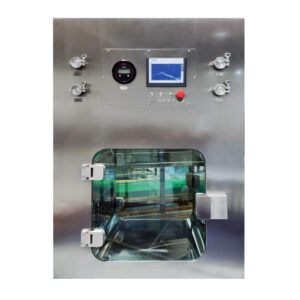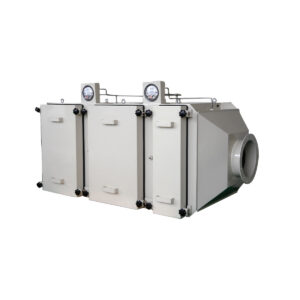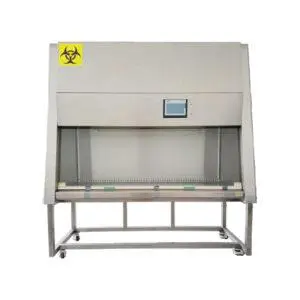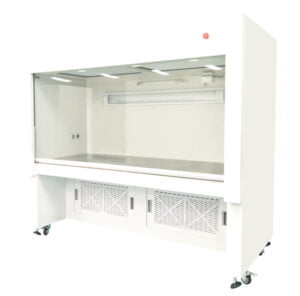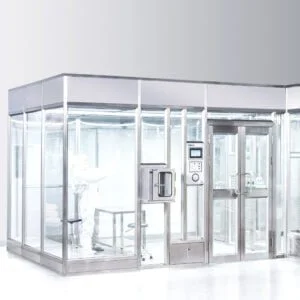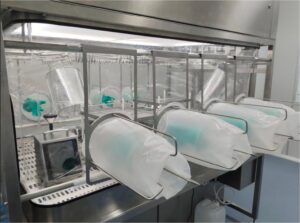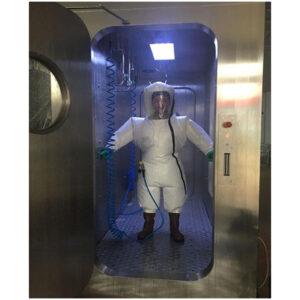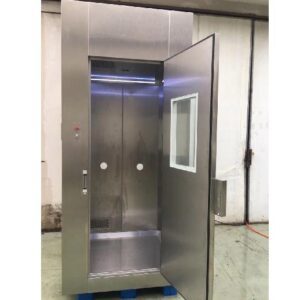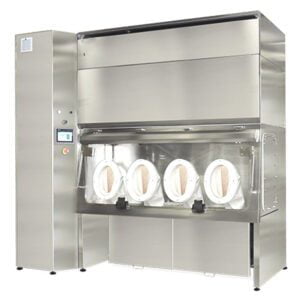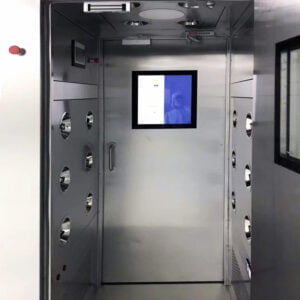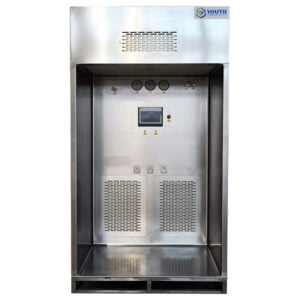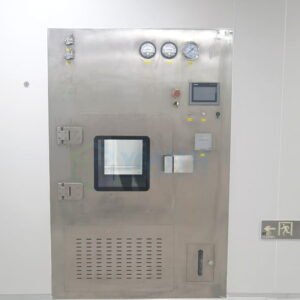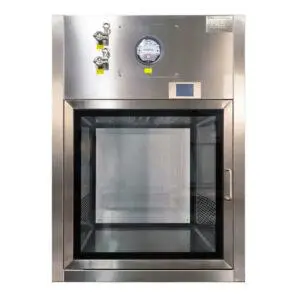
Ensuring the safety and sterility of pharmaceutical and biotech environments is paramount in today’s highly regulated industries. One critical component in maintaining these standards is the VHP Pass Box, a sophisticated piece of equipment designed to facilitate the transfer of materials between cleanrooms without compromising sterility. However, the efficacy of these pass boxes relies heavily on proper validation protocols. This article delves deep into the VHP Pass Box validation process, focusing on the essential IQ/OQ/PQ compliance checklist that industry professionals must follow.
The validation of VHP Pass Boxes is a complex process that involves multiple stages, each crucial for ensuring the equipment’s reliability and compliance with stringent regulatory standards. From initial qualification to ongoing performance verification, every step plays a vital role in maintaining the integrity of cleanroom environments. This comprehensive guide will explore the intricacies of VHP Pass Box validation protocols, providing invaluable insights for facilities managers, quality assurance professionals, and regulatory compliance officers.
As we navigate through the various aspects of VHP Pass Box validation, we’ll uncover the key elements that make up a robust compliance checklist. This will include an in-depth look at Installation Qualification (IQ), Operational Qualification (OQ), and Performance Qualification (PQ) processes, as well as the ongoing monitoring and maintenance required to ensure continued compliance and optimal performance.
VHP Pass Box validation is a critical process that ensures the safety, efficacy, and regulatory compliance of cleanroom material transfer systems. Proper validation protocols are essential for maintaining the sterility of controlled environments and protecting the integrity of pharmaceutical and biotech products.
What are the key components of VHP Pass Box Installation Qualification (IQ)?
The Installation Qualification (IQ) phase is the foundation of the VHP Pass Box validation process. This critical first step ensures that the equipment is installed correctly and in accordance with manufacturer specifications and regulatory requirements. During IQ, every aspect of the pass box’s physical installation is meticulously examined and documented.
Key components of the IQ process include verifying the pass box‘s dimensions, materials of construction, and proper connections to utilities such as power and gas supplies. Additionally, the IQ phase involves checking the integrity of seals, the functionality of door interlocks, and the correct installation of control systems and monitoring devices.
A thorough IQ process also encompasses the verification of documentation, including equipment manuals, standard operating procedures (SOPs), and calibration certificates for any integrated measuring instruments. This comprehensive approach ensures that the VHP Pass Box is not only physically installed correctly but also supported by the necessary documentation for ongoing operation and maintenance.
Installation Qualification is a crucial first step in VHP Pass Box validation, establishing the foundation for all subsequent qualification processes. Proper IQ ensures that the equipment is installed correctly, meets design specifications, and is supported by comprehensive documentation.
| IQ Checklist Item | Verification Method | Acceptance Criteria |
|---|---|---|
| Equipment Dimensions | Physical measurement | Matches specifications ±1% |
| Material Compatibility | Visual inspection & documentation review | Meets cleanroom standards |
| Utility Connections | Functional testing | Operational within specified ranges |
| Documentation Completeness | Document review | All required manuals and certificates present |
In conclusion, the Installation Qualification phase sets the stage for successful VHP Pass Box operation. By meticulously verifying every aspect of the installation, facilities can ensure that their pass boxes are ready for the next stages of validation and eventual use in critical cleanroom environments.
How does Operational Qualification (OQ) ensure VHP Pass Box functionality?
Operational Qualification (OQ) is the next crucial step in the VHP Pass Box validation process, focusing on demonstrating that the equipment functions as intended under normal operating conditions. This phase is designed to verify that all components and systems work correctly and consistently, meeting predetermined specifications and quality attributes.
During OQ, technicians perform a series of tests to evaluate the pass box’s performance across its operational range. This includes verifying the proper functioning of door interlocks, assessing the effectiveness of the VHP distribution system, and testing alarm systems and safety features. The OQ process also involves checking the accuracy and reliability of monitoring systems, such as temperature and pressure sensors.
A key aspect of OQ is the evaluation of the VHP cycle parameters. This includes testing the equipment’s ability to achieve and maintain the required VHP concentration, temperature, and humidity levels throughout the VHP sterilization cycle. Technicians also verify that the pass box can effectively remove residual hydrogen peroxide after the cycle, ensuring safe handling of materials.
Operational Qualification is essential for confirming that the VHP Pass Box performs consistently and accurately across its intended operational range. This phase validates critical functions and safety features, providing assurance of the equipment’s reliability in real-world use.
| OQ Test Parameter | Test Method | Acceptance Criteria |
|---|---|---|
| VHP Concentration | Chemical indicator strips | ≥35% H2O2 during exposure phase |
| Cycle Time Accuracy | Stopwatch verification | Within ±2% of set time |
| Door Interlock Function | Operational testing | 100% prevention of simultaneous door opening |
| Residual H2O2 | Drager tube measurement | <1 ppm after aeration phase |
In conclusion, the Operational Qualification phase provides concrete evidence that the VHP Pass Box is capable of performing its intended functions reliably and safely. By thoroughly testing all operational aspects, OQ builds confidence in the equipment’s ability to maintain sterility during material transfers, a critical requirement in pharmaceutical and biotech facilities.
What role does Performance Qualification (PQ) play in VHP Pass Box validation?
Performance Qualification (PQ) represents the pinnacle of the VHP Pass Box validation process. This phase goes beyond testing individual components and functions to evaluate the equipment’s performance under actual or simulated use conditions. PQ is designed to demonstrate that the VHP Pass Box consistently meets predetermined acceptance criteria in real-world scenarios, ensuring its effectiveness in maintaining sterility during routine operations.
The PQ process typically involves running multiple VHP cycles with various load configurations that mimic actual use cases. These tests are conducted over an extended period to assess the pass box’s consistency and reliability. During PQ, technicians may use biological indicators to verify the sterilization efficacy, ensuring that the equipment can achieve the required sterility assurance level (SAL) across different load types and positions.
Another critical aspect of PQ is evaluating the pass box’s performance under challenging conditions. This may include testing with maximum loads, various material types, and different cycle parameters to ensure the equipment can handle a range of operational demands. The PQ phase also often includes an assessment of the pass box’s impact on the surrounding cleanroom environment, verifying that it maintains proper air balance and doesn’t introduce contamination.
Performance Qualification is crucial for demonstrating that the VHP Pass Box can consistently achieve and maintain sterility under actual use conditions. This phase provides the ultimate assurance of the equipment’s capability to meet the stringent requirements of cleanroom material transfer operations.
| PQ Test Parameter | Test Method | Acceptance Criteria |
|---|---|---|
| Sterility Assurance Level | Biological Indicator Challenge | 10^-6 SAL achieved |
| Cycle Reproducibility | Multiple cycle runs | <5% variation in critical parameters |
| Load Capacity Performance | Various load configurations | Consistent sterilization across all load types |
| Environmental Impact | Particle counting & air pressure differential | No adverse impact on cleanroom classification |
In conclusion, Performance Qualification serves as the final validation that the VHP Pass Box is fit for its intended purpose. By rigorously testing the equipment under real-world conditions, PQ provides the confidence needed to integrate the pass box into critical cleanroom operations, ensuring the maintenance of sterility and regulatory compliance.
6-Log Reduction Validation for VHP Pass Boxes
A 6-log reduction is one of the most common performance expectations used when validating vaporized hydrogen peroxide decontamination. It means the process is expected to reduce the target microbial population by 99.9999% under defined test conditions. For a VHP pass box, this is usually demonstrated through cycle development, biological indicator challenge studies, and documented performance qualification results.
The goal is not only to show that hydrogen peroxide vapor can kill microorganisms, but to prove that the specific pass box chamber, load pattern, exposure time, vapor distribution, humidity condition, and aeration phase can consistently achieve the required decontamination result.
Key factors that influence 6-log reduction include:
- Hydrogen peroxide concentration during the exposure phase
- Chamber temperature and relative humidity
- Load size, surface material, and item arrangement
- Airflow pattern and vapor distribution inside the chamber
- Exposure time and contact time
- Placement of biological indicators in worst-case locations
- Aeration effectiveness after the decontamination phase
- Repeatability across multiple validation runs
A strong validation protocol should define the acceptance criteria before testing begins. This includes the biological indicator organism, population level, placement map, number of test cycles, incubation method, and pass/fail criteria. If the VHP pass box cannot achieve the required log reduction consistently, the cycle parameters, load pattern, or chamber configuration should be reviewed before the equipment is released for routine use.
Biological Indicators and Cycle Challenge Testing
Biological indicators are used to challenge the VHP pass box cycle under controlled conditions. They help confirm whether the decontamination process can inactivate a resistant microbial population at selected locations inside the chamber. In most validation programs, biological indicators are placed at both easy-to-reach and worst-case locations to test vapor penetration and distribution.
Worst-case locations may include:
- Corners of the chamber
- Areas behind or beneath load items
- Surfaces with limited vapor exposure
- Dense or complex load arrangements
- Locations near gaskets, shelves, or transfer interfaces
- Areas with slower airflow or delayed vapor contact
Cycle challenge testing should reflect realistic use. If the pass box will transfer tools, packaging, containers, machine parts, or cleanroom materials, the validation load should represent the normal or worst-case routine load. Testing an empty chamber may show basic system performance, but it does not prove that the routine transfer load can be decontaminated effectively.
A good cycle challenge study should document:
- Biological indicator type and lot information
- Placement map and rationale
- Load pattern and material description
- Cycle parameters and exposure time
- Environmental conditions during the run
- Incubation result and interpretation
- Any failed indicators and investigation outcome
- Corrective actions or cycle adjustments
If biological indicators fail in specific locations, the issue may be related to blocked vapor distribution, insufficient exposure time, excessive load density, condensation, unsuitable packaging, or poor chamber airflow. The response should not be limited to simply repeating the test; the validation team should identify why the failure occurred and adjust the cycle or load configuration accordingly.
VHP Pass Box Validation Documentation Package
A VHP pass box validation package should make the equipment lifecycle traceable from installation through routine operation. The documentation should show that the system was installed correctly, operates as intended, achieves the required decontamination performance, and can be monitored during routine use.
A typical validation package may include:
- User requirement specification (URS)
- Supplier technical documents and drawings
- Installation Qualification (IQ) protocol and report
- Operational Qualification (OQ) protocol and report
- Performance Qualification (PQ) protocol and report
- Calibration certificates for sensors and instruments
- Cycle development report
- Biological indicator challenge results
- Load pattern definition and approval
- Alarm and interlock verification records
- H2O2 concentration, temperature, humidity, and pressure records
- Aeration and residual hydrogen peroxide verification records
- Cleaning and maintenance procedure
- Routine monitoring procedure
- Deviation, investigation, and corrective action records
- Training records for operators and maintenance personnel
The documentation package should be controlled and easy to audit. Each protocol should define objective acceptance criteria, and each report should clearly state whether the criteria were met. If deviations occur during validation, they should be investigated and closed before routine use.
For GMP or regulated cleanroom environments, documentation is not just an administrative requirement. It is the evidence that the VHP pass box can perform its intended function under defined conditions and that the facility has a controlled method for operation, maintenance, monitoring, and requalification.
Common Validation Failures and Corrective Actions
VHP pass box validation may fail for several reasons. Some failures are caused by equipment issues, while others are caused by cycle design, load configuration, environmental conditions, or incomplete procedures. Understanding common failure modes helps the validation team respond correctly and avoid repeated unsuccessful test runs.
Common validation failures include:
- Biological indicators remain positive after the cycle
- Hydrogen peroxide concentration does not reach the required range
- Vapor distribution is uneven inside the chamber
- Temperature or humidity conditions are outside the defined limits
- Aeration time is not sufficient to reduce residual hydrogen peroxide
- Door interlocks or alarms do not function as intended
- Pressure control is unstable during transfer or cycle operation
- Load items block vapor contact with critical surfaces
- Operators use an unapproved load pattern
- Validation records are incomplete or inconsistent
Possible corrective actions include:
- Adjusting exposure time, H2O2 injection volume, or cycle phase timing
- Reducing load density or changing item placement
- Repeating cycle development with a defined worst-case load
- Reviewing airflow, circulation fan performance, or vapor distribution path
- Checking door seals, gaskets, filters, and chamber leakage points
- Recalibrating H2O2, temperature, humidity, or pressure sensors
- Revising SOPs for loading, operation, aeration, and unloading
- Retraining operators on approved load patterns and cycle selection
- Adding routine checks for alarms, interlocks, and monitoring devices
- Repeating PQ after corrective actions are completed
A failed validation run should be treated as useful evidence, not just a setback. It shows where the process is weak and helps define a more reliable cycle. The final validation report should explain the failure, document the investigation, list the corrective actions, and show that the revised cycle or procedure met the acceptance criteria.
How do ongoing monitoring and maintenance contribute to VHP Pass Box compliance?
While the IQ/OQ/PQ process establishes the initial validation of a VHP Pass Box, maintaining compliance is an ongoing effort that requires diligent monitoring and maintenance. This continuous process ensures that the equipment remains in a validated state throughout its operational life, consistently meeting the stringent requirements of cleanroom environments.
Ongoing monitoring involves regular checks of critical parameters such as VHP concentration, cycle times, and residual hydrogen peroxide levels. These checks may be performed through a combination of automated monitoring systems and manual verification processes. Additionally, periodic requalification tests, often conducted annually or after significant maintenance, help to confirm that the pass box continues to meet its original performance specifications.
Maintenance plays a crucial role in preserving the validated state of the VHP Pass Box. This includes routine tasks such as seal inspections, filter replacements, and calibration of sensors and monitoring devices. YOUTH emphasizes the importance of following a comprehensive preventive maintenance schedule to address potential issues before they impact performance or compliance.
Continuous monitoring and proactive maintenance are essential for ensuring long-term compliance of VHP Pass Boxes. These ongoing efforts help detect and address potential issues early, maintaining the equipment’s validated state and ensuring consistent performance in critical cleanroom operations.
| Monitoring/Maintenance Task | Frequency | Purpose |
|---|---|---|
| VHP Concentration Check | Daily | Ensure consistent sterilization efficacy |
| Residual H2O2 Measurement | After each cycle | Verify safe handling conditions |
| Seal Inspection | Monthly | Prevent leaks and maintain integrity |
| Sensor Calibration | Quarterly | Ensure accurate monitoring and control |
| Requalification | Annually | Confirm continued compliance with specifications |
In conclusion, ongoing monitoring and maintenance are vital components of VHP Pass Box compliance. By implementing a robust program of regular checks, preventive maintenance, and periodic requalification, facilities can ensure that their pass boxes continue to perform effectively and meet regulatory requirements throughout their operational lifespan.
What are the key considerations for VHP Pass Box validation documentation?
Documentation is a critical aspect of VHP Pass Box validation, serving as the primary evidence of compliance with regulatory standards and internal quality requirements. Proper documentation not only demonstrates the thoroughness of the validation process but also provides a clear trail for auditors and regulators to follow. The documentation package for VHP Pass Box validation should be comprehensive, well-organized, and easily accessible.
Key components of validation documentation include detailed protocols for each qualification phase (IQ, OQ, PQ), test results and data analysis, equipment specifications, and Standard Operating Procedures (SOPs) for routine use and maintenance. It’s also crucial to include any deviations encountered during the validation process, along with their resolutions and impact assessments.
One often overlooked aspect of validation documentation is the inclusion of rationales for test selections and acceptance criteria. This information provides context for the validation approach and demonstrates a thorough understanding of the equipment’s critical quality attributes. Additionally, change control documentation should be maintained to track any modifications to the pass box or its validation status over time.
Comprehensive and well-maintained documentation is essential for demonstrating VHP Pass Box compliance. Proper documentation not only satisfies regulatory requirements but also serves as a valuable resource for troubleshooting, training, and continuous improvement efforts.
| Documentation Component | Purpose | Key Elements |
|---|---|---|
| Validation Master Plan | Overall validation strategy | Scope, responsibilities, timelines |
| IQ/OQ/PQ Protocols | Detailed test procedures | Test methods, acceptance criteria, data forms |
| Test Results | Evidence of compliance | Raw data, analysis, pass/fail determinations |
| Change Control Records | Track modifications | Change descriptions, impact assessments, approvals |
| Training Records | Demonstrate operator competence | Training materials, attendance logs, competency assessments |
In conclusion, meticulous documentation is the backbone of VHP Pass Box validation. By maintaining comprehensive, accurate, and up-to-date records, facilities can demonstrate their commitment to quality and compliance, facilitating smooth regulatory inspections and supporting continuous improvement initiatives.
How do risk assessment and mitigation strategies enhance VHP Pass Box validation?
Incorporating risk assessment and mitigation strategies into the VHP Pass Box validation process is crucial for ensuring robust and effective validation protocols. This approach, often aligned with Quality by Design (QbD) principles, helps identify potential failure modes and their impacts on product quality and safety. By proactively addressing these risks, facilities can develop more targeted and efficient validation procedures.
The risk assessment process typically begins with a Failure Mode and Effects Analysis (FMEA) or similar tool to identify potential issues that could affect the pass box’s performance or compromise sterility. This analysis considers factors such as equipment design, operational parameters, and environmental conditions. Once risks are identified, they are prioritized based on severity, occurrence likelihood, and detectability.
Mitigation strategies are then developed to address the highest priority risks. These may include design modifications, additional monitoring systems, or enhanced operating procedures. The VHP Pass Box validation protocols are then tailored to include specific tests and acceptance criteria that verify the effectiveness of these mitigation measures.
Risk-based validation approaches for VHP Pass Boxes ensure that validation efforts are focused on the most critical aspects of performance and safety. This strategy not only enhances the robustness of the validation process but also supports continuous improvement and regulatory compliance.
| Risk Category | Potential Failure Mode | Mitigation Strategy |
|---|---|---|
| VHP Distribution | Uneven sterilant distribution | Implement multiple VHP injection points and validate distribution patterns |
| Cycle Parameter Control | Fluctuations in critical parameters | Install redundant sensors and implement tighter control algorithms |
| Material Compatibility | Degradation of pass box materials | Conduct extensive material compatibility testing and implement regular inspections |
| Operator Error | Incorrect cycle selection | Implement user-friendly interfaces and comprehensive operator training programs |
In conclusion, integrating risk assessment and mitigation strategies into VHP Pass Box validation enhances the overall effectiveness of the process. By focusing on potential failure modes and their impacts, facilities can develop more robust validation protocols that address real-world challenges and ensure consistent performance in critical cleanroom operations.
What are the regulatory considerations for VHP Pass Box validation in different industries?
VHP Pass Box validation must adhere to various regulatory standards depending on the industry and geographical location. Understanding these regulatory requirements is crucial for developing compliant validation protocols and ensuring that the pass box meets the necessary quality and safety standards for its intended use.
In the pharmaceutical industry, VHP Pass Box validation typically falls under the purview of Good Manufacturing Practice (GMP) regulations. These include guidelines from regulatory bodies such as the FDA, EMA, and WHO. For example, FDA’s 21 CFR Part 211 outlines requirements for equipment qualification in drug manufacturing facilities. Similarly, EU GMP Annex 15 provides guidance on qualification and validation processes.
For medical device manufacturers, ISO 14644 standards for cleanrooms and associated controlled environments are often applicable. These standards provide guidelines for cleanroom classification and monitoring, which directly impact VHP Pass Box validation requirements. Additionally, ISO 13485 for medical device quality management systems includes provisions for equipment validation.
Regulatory compliance in VHP Pass Box validation requires a thorough understanding of industry-specific standards and guidelines. Facilities must ensure that their validation protocols align with relevant regulations to maintain compliance and product quality.
| Industry | Relevant Regulations | Key Validation Considerations |
|---|---|---|
| Pharmaceuticals | FDA 21 CFR Part 211, EU GMP Annex 15 | Process validation, equipment qualification, data integrity |
| Medical Devices | ISO 14644, ISO 13485 | Cleanroom classification, equipment validation, quality management systems |
| Biotechnology | ICH Q7, ASTM E2500 | Risk-based approach, continuous verification, design qualification |
| Food and Beverage | FDA Food Safety Modernization Act (FSMA) | Preventive controls, sanitary equipment design, validation of preventive control measures |
In conclusion, navigating the regulatory landscape for VHP Pass Box validation requires a comprehensive understanding of industry-specific standards and guidelines. By aligning validation protocols with these regulatory requirements, facilities can ensure compliance, maintain product quality, and facilitate smooth regulatory inspections.
In conclusion, VHP Pass Box validation is a critical process that ensures the safety, efficacy, and regulatory compliance of cleanroom material transfer systems. The comprehensive IQ/OQ/PQ compliance checklist serves as a roadmap for facilities to thoroughly validate their VHP Pass Boxes, from initial installation through ongoing performance verification.
By meticulously following the validation protocols outlined in this article, facilities can ensure that their VHP Pass Boxes consistently maintain sterility during material transfers, a crucial requirement in pharmaceutical, biotech, and other critical industries. The emphasis on thorough documentation, risk assessment, and ongoing monitoring and maintenance provides a robust framework for long-term compliance and optimal performance.
As regulatory requirements continue to evolve and technological advancements reshape cleanroom equipment, staying informed and adapting validation processes accordingly will be crucial. Facilities that prioritize comprehensive validation and maintain a commitment to continuous improvement will be well-positioned to meet the challenges of maintaining sterile environments in increasingly complex and regulated industries.
Ultimately, the goal of VHP Pass Box validation is not just regulatory compliance, but the assurance of product quality and patient safety. By implementing rigorous validation protocols and maintaining a culture of quality, facilities can confidently rely on their VHP Pass Boxes as critical components in their cleanroom operations, supporting the production of safe and effective products for years to come.
External Resources
The Ultimate Checklist for VHP Passbox Validation – This article provides a comprehensive checklist for validating a Vaporized Hydrogen Peroxide (VHP) passbox, including physical inspection, calibration, performance qualification, operational qualification, and ongoing maintenance.
How-to guide: Pass box qualification – This guide offers a step-by-step explanation on how to qualify pass boxes, including an overview of available pass boxes and the qualification process.
Validation and Qualification of Pass Box in GMP Facilities – This resource details the validation and qualification process for pass boxes in Good Manufacturing Practice (GMP) facilities, covering stages such as Design Qualification, Installation Qualification, Operational Qualification, and Performance Qualification.
VHP pass box sterilizer for pharmaceutical clean room – This page discusses the sterilization effect of VHP pass boxes, including parameter development, VHP distribution research, and biological challenge tests as part of the validation cycle.
Validating Clean Room Pass Boxes: Best Practices and Procedures – This article emphasizes the importance of validation for maintaining a sterile environment, detailing the validation process, quality assurance, and microbial challenge tests.
Pass Box Qualification and Validation: A Comprehensive Guide – This guide typically covers the entire validation lifecycle, including design, installation, operational, and performance qualifications, along with ongoing monitoring and maintenance.
Cleanroom Pass Box Validation: Ensuring Sterility and Compliance – This resource focuses on the critical aspects of pass box validation, including physical inspections, sensor calibrations, and biological indicators to ensure sterility and regulatory compliance.
GMP Pass Box Validation: Steps and Best Practices – This article outlines the steps and best practices for validating pass boxes in GMP environments, highlighting the importance of documentation, risk assessments, and continuous monitoring.