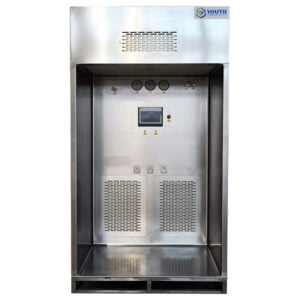
Changing a BIBO filter is not the same as replacing a standard HVAC filter. In a Bag-In-Bag-Out system, the used HEPA or ULPA filter may contain hazardous dust, biological material, pharmaceutical residue, radioactive particles, or other contaminants captured from a controlled air stream. The replacement process must keep the used filter contained from the moment the housing is opened until the waste package is sealed, labeled, and removed from the work area.
BIBO procedures are used in cleanrooms, pharmaceutical facilities, biotechnology laboratories, healthcare isolation areas, nuclear applications, and other controlled environments where filter change-out could create exposure or contamination risk. A properly planned procedure protects technicians, preserves containment, and helps the facility maintain clean air performance after maintenance.
This guide covers the full BIBO filter change process: system preparation, required PPE, access steps, contaminated filter removal, new filter installation, sealing checks, post-installation verification, waste disposal, replacement frequency, emergency response, and personnel training.
Key Components in a BIBO Filter Change
Before starting the procedure, technicians should understand the main components involved in the system.
| Component | Function | Why It Matters |
|---|---|---|
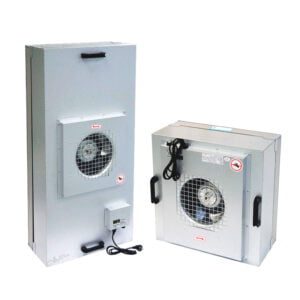
| HEPA or ULPA filter | Captures fine airborne particles | The used filter may contain hazardous or regulated contaminants |
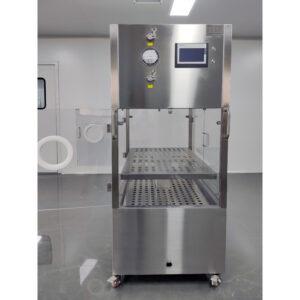
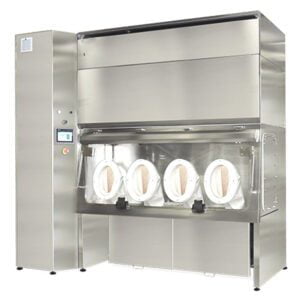
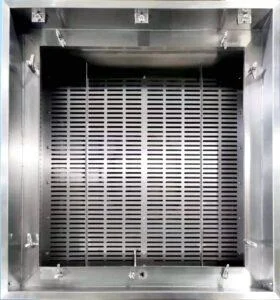
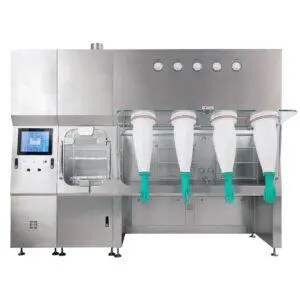
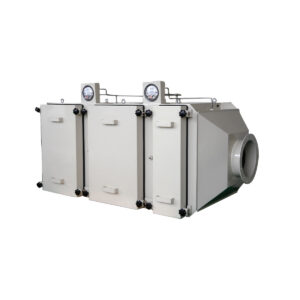
| BIBO housing | Holds the filter and provides controlled access | Maintains containment during maintenance |
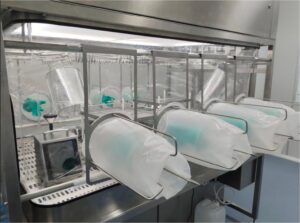
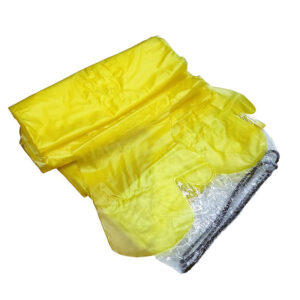
| Safety bag / containment bag | Encloses the contaminated filter during removal | Prevents direct exposure during change-out |
| Clamping or locking mechanism | Secures the filter in position | Maintains correct seal pressure and filter performance |
| Access door | Allows service access to the filter section | Must be opened only after the containment setup is ready |
| Gasket or gel seal | Creates the seal between filter and housing | Prevents bypass leakage |
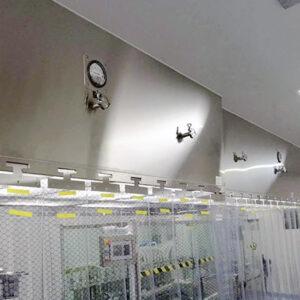
| Pressure gauge or monitoring point | Shows system condition and filter loading | Helps determine when replacement is needed |
| Decontamination or test port | Supports cleaning, pressure control, or testing | Helps verify safety and system integrity |
A BIBO system works only when the housing, bag, seal, filter, and procedure function together. The equipment provides the containment path, but the technician’s sequence of work determines whether containment is actually maintained.
How Do You Prepare for a BIBO Filter Change?
Preparation is the most important part of a safe BIBO filter change. Before the housing is opened, the team should confirm the reason for replacement, the hazard level of the used filter, the correct replacement parts, and the disposal route.
At minimum, the team should confirm:
- Correct replacement filter model, size, efficiency class, airflow direction, frame type, and seal type
- Compatible containment bags, sealing bands, clamps, and service tools
- Required PPE and respiratory protection, if applicable
- System isolation steps, including fan shutdown, damper position, or pressure control
- Decontamination requirements before access, if required by the site
- Waste classification, labeling method, and disposal route
- Post-change verification requirements, such as pressure check, airflow check, or leak test
- Maintenance record form and responsible personnel sign-off
| Preparation Item | Purpose |
|---|---|
| Replacement filter | Confirms correct filter size, rating, seal type, and airflow direction |
| PPE | Protects technicians from exposure risk |
| Containment bag | Keeps the used filter enclosed during removal |
| Tools and clamps | Allows the filter to be released and secured correctly |
| Waste labels and containers | Supports safe disposal and traceability |
| Procedure and work permit | Confirms that the task follows site requirements |
| Test plan | Defines how the system will be verified before return to service |
The procedure should not begin until the filter, containment bag, tools, labels, and disposal materials are available at the work area. Starting without all required items can increase downtime and may force technicians to interrupt the containment sequence.
What PPE and Training Are Required?
BIBO filter replacement should only be performed by trained personnel. General HVAC maintenance experience is useful, but it is not enough when the used filter must remain contained.
Required PPE depends on the contaminant type, facility risk assessment, and site procedure. Common PPE may include:
- Cleanroom garments or protective coveralls
- Chemical-resistant or contamination-control gloves
- Eye and face protection
- Respiratory protection where required
- Cleanroom-compatible footwear or safety footwear
- Additional protective layers for high-risk biological, pharmaceutical, or hazardous exhaust systems
Training should cover both the equipment and the sequence of work. Technicians should understand how the bag is attached, how the filter is released, how the used filter is sealed, how the new filter is installed, and what to do if containment is compromised.
| Training Area | Technician Should Understand |
|---|---|
| BIBO housing layout | Access door, bagging ring, locking mechanism, seal surface, ports, and gauges |
| Containment bag handling | How to attach, support, seal, and separate the bag |
| Filter removal | How to move the used filter without disturbing contamination |
| New filter installation | How to inspect, orient, seat, and lock the new filter |
| PPE use | How to wear, work in, remove, and dispose of PPE correctly |
| Emergency response | What to do if a bag tears, a clamp loosens, or exposure is suspected |
| Documentation | How to record filter data, readings, test results, and waste handling notes |
For regulated or high-risk facilities, training records should be retained with maintenance documentation. These records help show that the task was performed by qualified personnel using a controlled method.
What Are the Initial Steps for Accessing the BIBO System?
Accessing the BIBO system requires a controlled approach. Before the housing is opened, the air handling or exhaust system should be isolated according to the site procedure. Depending on the installation, this may involve fan shutdown, damper closure, pressure verification, or lockout controls.
The technician should inspect the BIBO housing, access door, bagging connection, existing bag, clamps, fasteners, pressure gauge, and surrounding work area. If the housing is damaged, the bag connection is unreliable, or the pressure condition is unclear, the work should pause until the issue is resolved.
| Access Step | Key Consideration |
|---|---|
| System shutdown or isolation | Prevents uncontrolled airflow during service |
| Housing inspection | Identifies damage, corrosion, loose hardware, or seal issues |
| Bag inspection | Confirms the containment bag is compatible and undamaged |
| Work area setup | Keeps tools, waste containers, and records within reach |
| Communication | Confirms operations, safety, and maintenance teams know work is active |
Some facilities may require negative pressure support, surface decontamination, or pre-service safety checks before the access door is opened. These steps should follow the facility’s approved risk assessment and equipment instructions.
How Is the Contaminated Filter Safely Removed?
Removing the contaminated filter is usually the highest-risk part of the BIBO procedure. The used filter should remain inside the containment path from the moment it is released until it is fully sealed for transfer.
After the containment bag is attached to the housing, the technician releases the filter locking or clamping mechanism. The filter is then moved slowly into the bag. Sudden pulling, twisting, or impact should be avoided because it can damage the filter frame, disturb captured material, or stress the bag.
Once the filter is fully inside the bag, the bag should be sealed according to the site procedure. Some facilities use twist-and-tape, banding, heat sealing, double bagging, or another validated method.
| Removal Step | Safety Measure |
|---|---|
| Attach containment bag | Creates a controlled removal path |
| Release filter lock | Allows the filter to move without damaging the housing |
| Guide filter into bag | Keeps the contaminated filter enclosed |
| Seal the bag | Prevents release during transfer |
| Label the package | Maintains traceability and supports proper disposal |
The used filter should not leave the housing as an exposed component. It should leave as a sealed, labeled waste package.
How Should the Used Filter Be Bagged, Labeled, and Disposed?
Waste handling is part of the BIBO procedure, not a separate afterthought. A used filter from a general cleanroom HVAC system may not require the same disposal route as a filter from a biosafety laboratory, pharmaceutical containment process, nuclear facility, or hazardous material exhaust system.
The disposal plan should define the bagging method, secondary containment requirement, label information, temporary storage location, transport route, and final disposal method.
| Waste Record Field | Example Information |
|---|---|
| System location | Room, AHU, exhaust branch, filter bank, or equipment ID |
| Filter identification | Size, model, serial number, efficiency class, or stage |
| Hazard classification | Biological, pharmaceutical, chemical, radiological, or general particulate |
| Bagging method | Single bag, double bag, heat seal, banded seal, or validated site method |
| Responsible personnel | Technician, supervisor, EHS reviewer, or quality reviewer |
| Disposal route | Internal storage, contractor pickup, decontamination route, or regulated waste stream |
If the hazard classification is uncertain, the filter should be handled conservatively until the responsible EHS, biosafety, radiation safety, or quality team confirms the disposal route.
What Precautions Are Necessary When Installing the New Filter?
Installing the new filter requires the same level of control as removing the old one. Before installation, the replacement filter should be inspected for shipping damage, frame distortion, gasket damage, gel seal defects, incorrect dimensions, or incorrect airflow direction.
The housing interior and sealing surface should also be checked. If cleaning or decontamination is required, it should be completed before the new filter is seated. The technician should avoid touching the filter media and should handle the filter by its frame or approved lifting points.
| Installation Step | Critical Factor |
|---|---|
| Inspect replacement filter | Confirms filter integrity before installation |
| Check airflow direction | Prevents incorrect system operation |
| Inspect seal surface | Reduces bypass leakage risk |
| Seat filter evenly | Supports correct gasket or gel seal contact |
| Engage locking mechanism | Maintains compression and system integrity |
If the housing uses a gasket seal, the filter should compress evenly against the sealing surface. If the housing uses a gel seal, the knife edge should enter the gel correctly without tearing or displacing it. Uneven seating can create bypass leakage and may cause the filter to fail post-change testing.
How Do You Ensure Proper Sealing and System Integrity?
After the new filter is installed, the team should confirm that the filter is correctly seated and that the housing is securely closed. This step verifies that the system has been restored as a controlled air filtration barrier.
The technician should inspect the gasket or gel seal contact, locking mechanism, access door, bag connection point, and pressure monitoring connections. If the housing includes scan ports or aerosol challenge ports, the facility may perform leak testing or integrity testing according to the applicable procedure.
| Verification Step | Purpose |
|---|---|
| Gasket or gel seal inspection | Confirms sealing contact |
| Clamp or lock check | Confirms the filter is secured |
| Access door check | Confirms the housing is closed correctly |
| Pressure reading | Confirms system condition after replacement |
| Leak or integrity test | Verifies filter and housing performance where required |
For cleanroom and critical air systems, HEPA and ULPA leak testing is often planned around recognized test practices such as IEST-RP-CC034. ISO 14644-1 is relevant to cleanroom particle cleanliness classification, but it does not replace filter integrity testing or a facility-specific maintenance procedure.
What Post-Installation Procedures Are Necessary?
After the new filter is installed and sealed, the system should not be returned to normal service until the required checks are complete. These checks help confirm that the new filter is operating correctly and that the controlled environment has not been compromised during the change.
Common post-installation procedures include:
- Removing tools and service materials from the work area
- Confirming that the access door is closed and secured
- Checking the BIBO bag connection or closure point
- Recording differential pressure after replacement
- Restarting the air handling or exhaust system according to procedure
- Verifying airflow or system operating condition
- Checking alarms, gauges, and monitoring devices
- Performing leak testing or scan testing where required
- Recording waste handling and disposal information
- Completing maintenance and quality records
| Post-Installation Step | Purpose |
|---|---|
| Tool removal | Maintains cleanliness and prevents foreign material risk |
| Old filter disposal | Ensures contaminated waste is handled correctly |
| System restart | Returns the unit to controlled operation |
| Airflow measurement | Verifies filter and system performance |
| Particle or integrity check | Confirms cleanliness or containment expectations |
| Documentation | Creates a traceable maintenance record |
Good post-installation work is not only about restarting the system. It should show that the filter was installed correctly, the containment process was controlled, and the system met the facility’s return-to-service requirements.
What Should Be Documented After Filter Replacement?
Documentation turns the replacement event into a traceable maintenance record. A strong record helps future maintenance teams understand why the filter was changed, what was installed, how containment was maintained, and whether the system met acceptance criteria.
| Record Item | Information to Capture |
|---|---|
| Reason for replacement | Pressure trend, scheduled maintenance, failed test, event response, or other trigger |
| Old filter details | Location, model, size, condition, removal date, and observed issues |
| New filter details | Model, serial number, efficiency class, seal type, and installation date |
| Containment method | Bagging method, seal method, and waste package label |
| Measurements | Differential pressure, airflow, alarms, or monitoring readings |
| Test results | Leak test, scan test, or other integrity check result where required |
| Personnel | Technician, supervisor, reviewer, and approval signatures |
| Exceptions | Abnormal condition, corrective action, or follow-up work |
In pharmaceutical, biosafety, healthcare, nuclear, and other regulated environments, incomplete records can become a quality or safety issue even when the physical filter change was performed correctly.
How Often Should BIBO Filter Changes Be Performed?
The frequency of BIBO filter changes depends on application, contaminant load, operating hours, pressure differential, facility procedure, and regulatory requirements. A fixed calendar interval alone is usually not enough for critical systems.
Many facilities use a combination of pressure readings, airflow performance, particle monitoring, scheduled maintenance intervals, and process risk assessment. Replacing filters too early can increase cost and waste. Waiting too long can increase pressure drop, reduce airflow, affect containment performance, or create quality and safety concerns.
| Factor Influencing Change Frequency | Consideration |
|---|---|
| Pressure differential | Indicates filter loading |
| Particle counts | Measures air quality or cleanliness trend |
| Time in service | Supports scheduled maintenance planning |
| Regulatory requirements | Defines compliance or validation expectations |
| Production levels | Affects contaminant generation and filter loading |
| Process or hazard event | May require replacement after a specific exposure event |
A good replacement program should define monitoring frequency, alarm limits, decision criteria, approval process, and documentation requirements.
What If Something Goes Wrong During BIBO Filter Change?
Emergency response should be defined before the procedure begins. The team should know who has authority to stop work, who must be notified, how the area will be secured, and what decontamination or investigation steps are required.
Possible abnormal situations include:
- Containment bag tear or puncture
- Loose clamp or incomplete seal
- Unexpected pressure change
- Filter damage during removal
- Suspected contamination outside the bag
- PPE damage or exposure concern
| Abnormal Condition | Immediate Response |
|---|---|
| Bag tear | Stop movement, secure the area, and follow the site containment response procedure |
| Loose clamp or incomplete seal | Pause work and re-secure only if it can be done safely |
| Unexpected pressure condition | Stop the procedure and verify isolation, damper position, and airflow condition |
| Filter damage during extraction | Keep the filter contained and escalate to the responsible safety or facility lead |
| PPE damage or suspected exposure | Follow personnel decontamination, medical, and incident reporting procedures |
| Visible contamination outside the bag | Restrict the area and follow the approved cleanup and investigation process |
Emergency steps should be reviewed before the access door is opened, especially when the filter may contain biological, pharmaceutical, radioactive, toxic, or otherwise hazardous material.
What Training Is Required for Personnel Performing BIBO Procedures?
Personnel performing BIBO procedures should receive both theoretical and practical training. The procedure involves containment, mechanical handling, PPE, waste control, and documentation, so technicians should not rely only on general maintenance experience.
A complete training program should include:
- Cleanroom or controlled-environment contamination principles
- HEPA and ULPA filter basics
- BIBO housing design and component identification
- Containment bag attachment and sealing methods
- Used filter removal and transfer sequence
- New filter inspection, orientation, and seating
- PPE selection and use
- Emergency response for containment breach or bag damage
- Waste labeling, transfer, and disposal rules
- Post-change pressure checks, leak checks, and documentation
Hands-on practice is especially important. Technicians should be able to practice the sequence on a mock-up, inactive system, or supervised maintenance event before performing work on a critical or contaminated system.
When Should a Facility Use a BIBO System?
A BIBO system is usually considered when the used filter may be hazardous, when filter replacement could expose personnel, or when the surrounding environment must be protected from contamination during maintenance.
| Application | Why BIBO May Be Required |
|---|---|
| Pharmaceutical manufacturing | Controls exposure to potent compounds, sterile process risks, or contaminated exhaust filters |
| Biosafety laboratories | Supports safer handling of filters exposed to biological agents |
| Nuclear facilities | Helps contain radioactive particulate contamination during filter replacement |
| Healthcare isolation systems | Reduces exposure risk during service of contaminated exhaust filters |
| Semiconductor or precision manufacturing | Supports contamination-control requirements in critical air systems |
| Hazardous process exhaust | Protects technicians from toxic or harmful captured materials |
For lower-risk HVAC systems, a standard filter housing may be sufficient. For systems where the used filter creates exposure, contamination, or compliance risk, BIBO housing provides a more controlled replacement method.
Common Mistakes to Avoid During BIBO Filter Change
- Starting before the replacement filter, bag, labels, and tools are ready
- Using a containment bag that is the wrong size or material
- Skipping the pre-job risk review because the task is considered routine
- Moving the used filter too quickly and stressing the bag or filter frame
- Failing to define the waste route before the filter is removed
- Installing a filter with the wrong airflow direction or seal type
- Returning the system to service before pressure, airflow, or test requirements are complete
- Leaving the record incomplete, especially old filter data, new filter data, waste handling, and test results
Conclusion
BIBO filter replacement is more than a simple filter change. It is a controlled maintenance procedure designed to protect personnel, preserve containment, maintain clean air performance, and create a traceable record of the work.
A strong BIBO procedure should include preparation, PPE, technician training, system isolation, controlled filter removal, secure bagging, correct new filter installation, post-change checks, waste handling, and complete documentation. Facilities should also define emergency response steps before work begins, especially when the filter may contain biological, pharmaceutical, radioactive, toxic, or otherwise hazardous contaminants.
For facilities planning or upgrading a BIBO system, YOUTH Bag-In-Bag-Out BIBO systems provide containment-focused filter housings for cleanroom, biosafety, pharmaceutical, and hazardous exhaust applications. Selecting the right housing design, filter class, test access, and maintenance procedure helps make future filter replacement safer and more traceable.
External Resources
- CDC/NIH – Biosafety in Microbiological and Biomedical Laboratories (BMBL) 6th Edition
Biosafety guidance emphasizing protocol-driven risk assessment for biomedical and clinical laboratories. - NIOSH – Guidance for Filtration and Air-Cleaning Systems
Filtration and air-cleaning guidance for building environments exposed to airborne chemical, biological, or radiological contaminants. - IEST-RP-CC034: HEPA and ULPA Filter Leak Tests
Recommended practice covering definitions, equipment, and procedures for leak-testing HEPA and ULPA filters. - ISO 14644-1:2015
Cleanroom standard for classification of air cleanliness by particle concentration. - FDA – Sterile Drug Products Produced by Aseptic Processing
Guidance for sterile drug and biological product manufacturers using aseptic processing.