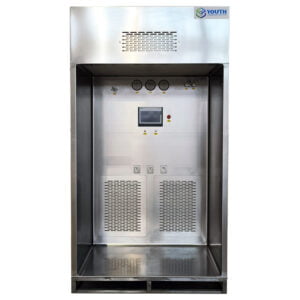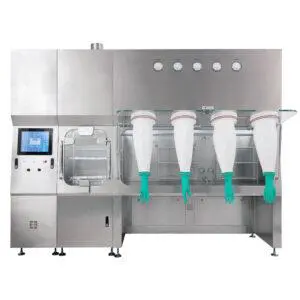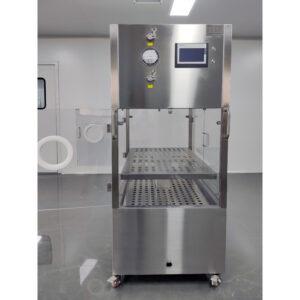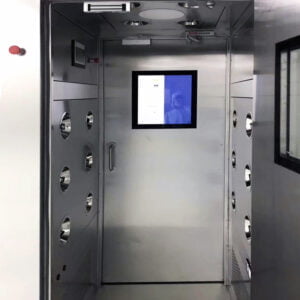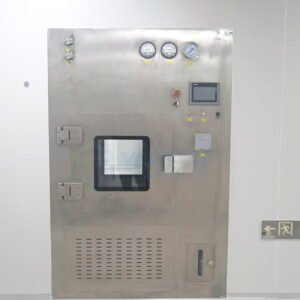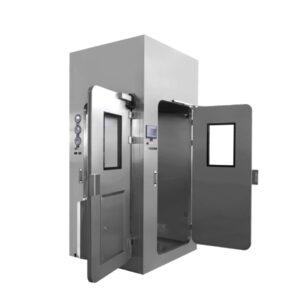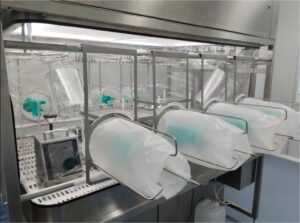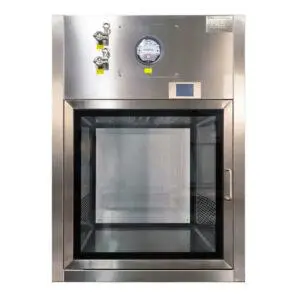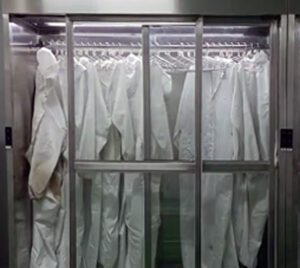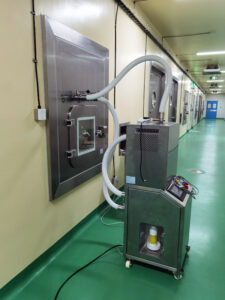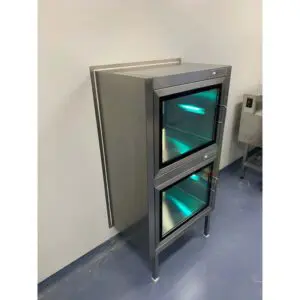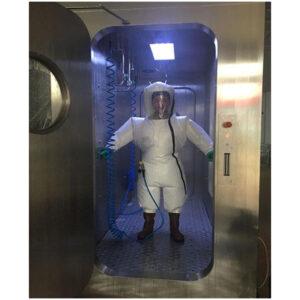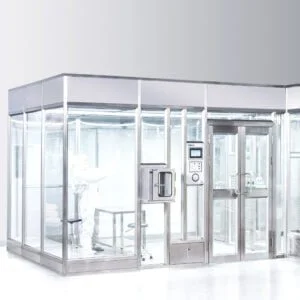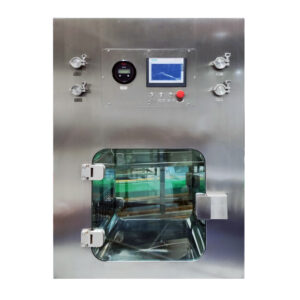
A dunk tank is a transfer equipment option for compatible items moving between controlled spaces. When comparing options, focus on the equipment opening, installation interface, item compatibility and the evidence needed for acceptance.
What is a Dunk Tank?
The Dunk Tank provides a defined location for transfer. Its suitability depends on the intended items, site requirements and supplier documentation.
Key Features of Dunk Tanks
- Item fit: Confirm item and packaging dimensions against the equipment drawing.
- Installation interface: Confirm opening dimensions and access for servicing and inspection.
- Documentation: Confirm which model-specific checks and records are supplied.
Benefits of Using Dunk Tanks in Cleanrooms
Site Acceptance and Process Responsibility
A transfer device does not guarantee sterility. The facility defines the approved use and the evidence needed to accept its specific process.
Safety Responsibilities
Ask the facility’s responsible safety and quality teams to confirm what the equipment covers and what remains a site responsibility.
Increased Operational Efficiency
Consider the expected transfer volume, workflow interruptions and access for service when comparing this option with another transfer arrangement.
Related Cleanroom Solutions by YOUTH
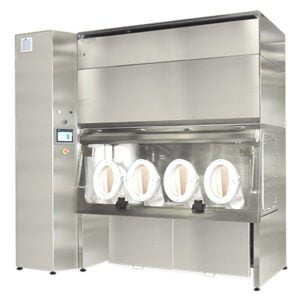
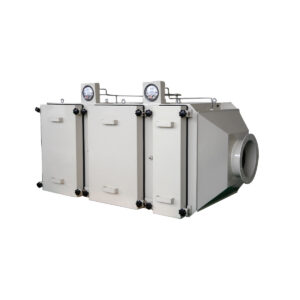
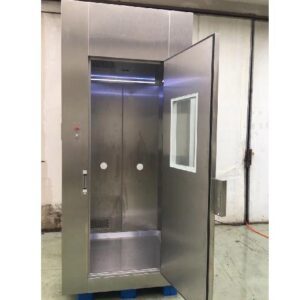
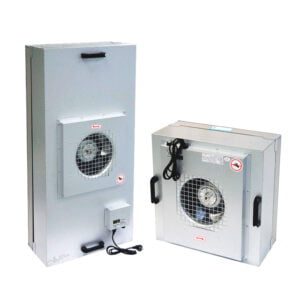
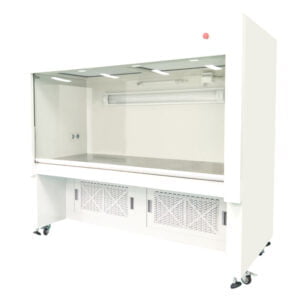
Beyond Dunk Tanks, YOUTH offers a wide range of cleanroom equipment designed to meet diverse contamination control needs. Explore our innovative products such as the Bag-in-Bag-out BIBO System, LAF Units, and Pass Boxes to discover how YOUTH is revolutionizing cleanroom technology.
Conclusion
To discuss a configuration with youthfilter.com, share item sizes, the opening and the site’s intended acceptance requirements.
Request a proposal that identifies the supplied equipment, project exclusions and responsibility for installation and acceptance.