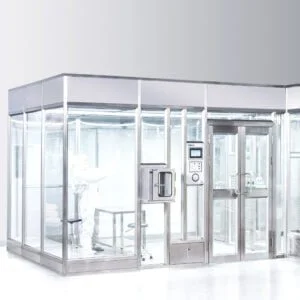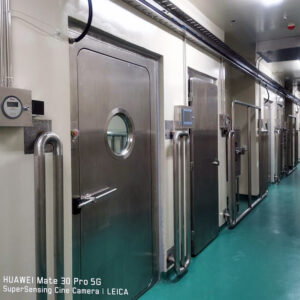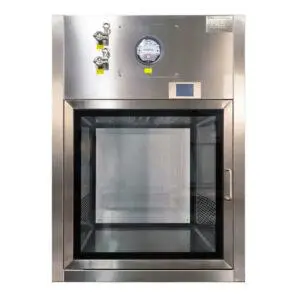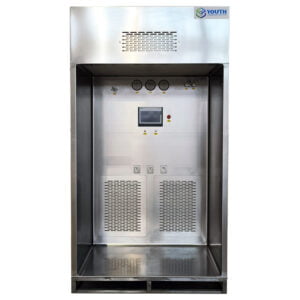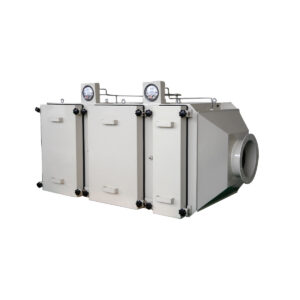
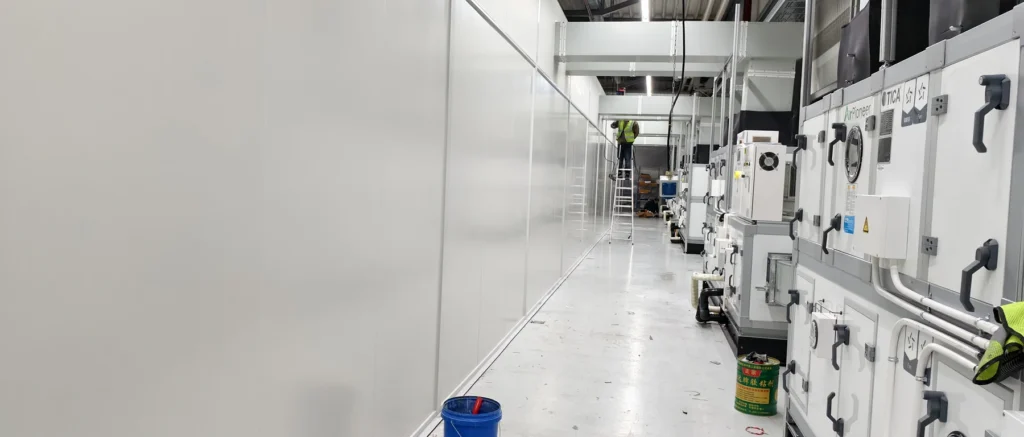
A temperature-controlled modular cleanroom needs two results at the same time: clean air for the process and enough thermal capacity to hold the agreed room condition while production is running. The right configuration starts with heat sources, process exhaust and operating rhythm, then coordinates air handling, filtered recirculation, room layout and controls around those loads.
YOUTH can discuss the modular enclosure and air-system interfaces as one project package. This gives engineering and procurement teams a clearer basis for comparing capacity, control responsibility and site connections than a room-temperature setpoint on its own.
Discuss a temperature-controlled cleanroom with YOUTH on WhatsApp
Describe the load, not only the setpoint
A useful thermal brief states the target temperature range together with the conditions under which it must be maintained. Production tools, motors, ovens, lighting, FFUs, people and material entering the room all add heat. Their simultaneous use can matter more than the empty-room floor area.
The buyer should also describe operating hours, startup expectations, batch peaks, planned shutdowns and whether equipment runs continuously or in changing groups. If a process is stable for most of the day but has a short high-load step, the control strategy may differ from a room with a constant load.
| Input for early sizing | What it changes |
|---|---|
| Production equipment | Connected power, heat released to the room and simultaneous operating case |
| People and lighting | Occupied heat load and the difference between idle and production periods |
| Process exhaust | Conditioned replacement air, room pressure and cooling or heating duty |
| Factory and climate | Outdoor-air condition, host-building temperature and available heat-rejection or utility connections |
Account for process exhaust at each operating state
Air removed by production equipment has to be considered with the room’s replacement air and pressure strategy. If exhaust changes with tool operation, the proposal should identify the minimum, normal and simultaneous peak cases. Otherwise, a system selected for the nominal room temperature may struggle when several exhaust connections operate together.
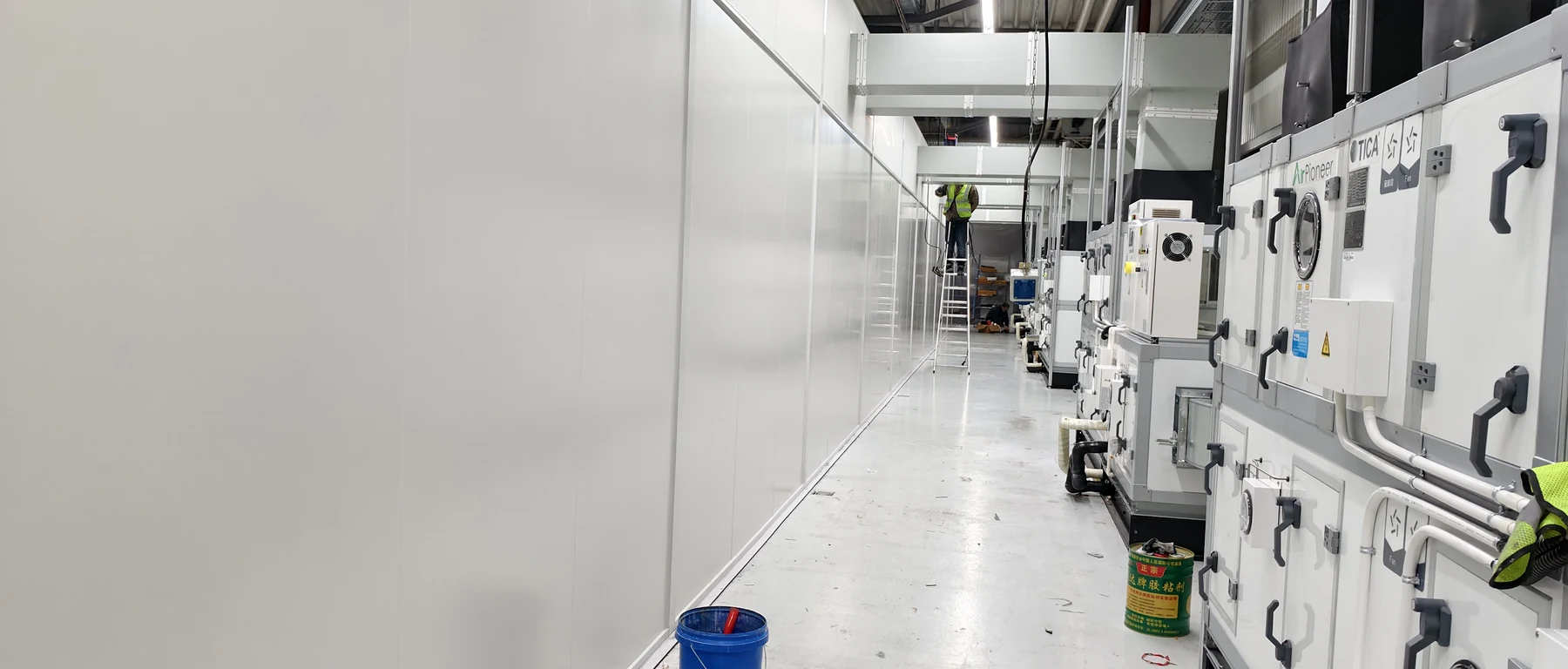
YOUTH’s Germany ISO Class 6 project illustrates the scale of this coordination. Each of its five workshops had a stated process-exhaust duty of 2,000 m³/h, giving a 10,000 m³/h simultaneous case. The project air system was organized around that requirement and a room-temperature requirement of 21 ± 2 °C. Those figures describe that installation, not a standard setting for other projects.
Give air handling and FFUs separate jobs
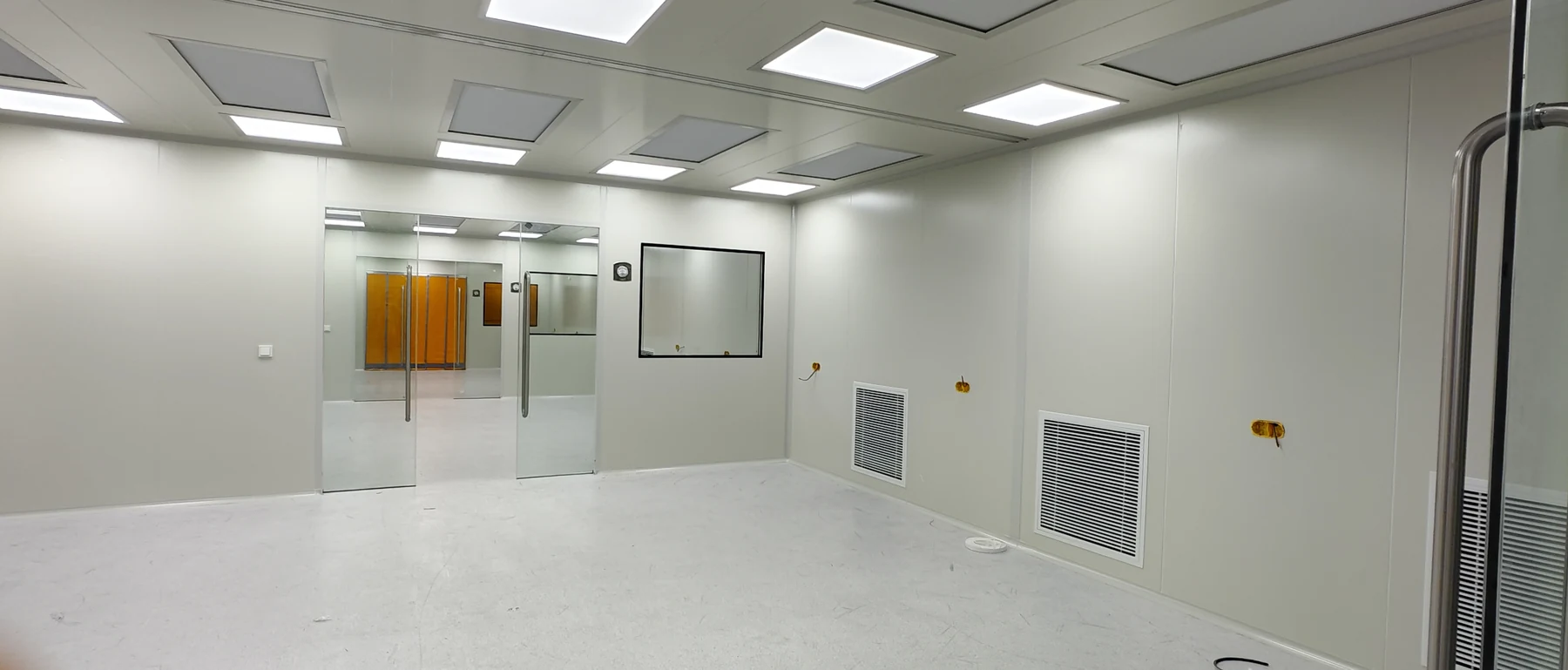
The air-handling system typically carries the heating or cooling work, outdoor or replacement air and any specified humidity treatment. Ducts, plenums, return paths and sensors then distribute and measure the conditioned air. Available chilled water, direct-expansion equipment, heat rejection, drainage and power all affect where that responsibility sits between the cleanroom package and the local facility.
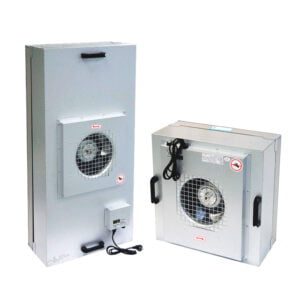
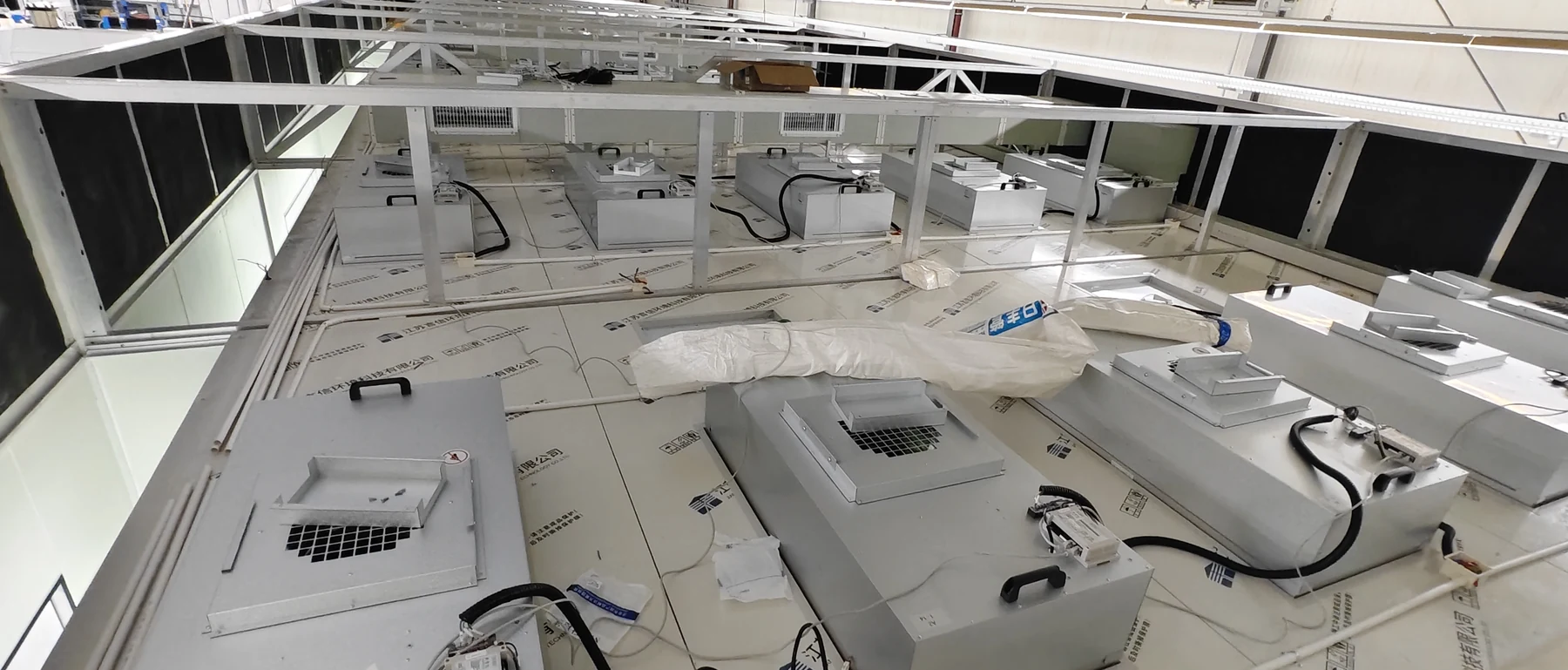
FFUs perform a different, complementary function: they recirculate air through terminal filters and support the cleanroom airflow pattern. Their fan power is also part of the heat load. Increasing FFU speed may change clean-air circulation, but it does not replace the thermal capacity needed to remove process heat or condition replacement air.
Agree who controls and proves the room condition
A comparable quotation should identify the temperature sensor locations, control points, operating modes, alarm or trend functions, and the interface between the packaged air equipment and the customer’s building controls. It should also state who supplies and connects power, cooling or heating utilities, condensate drainage, process exhaust and external monitoring.
Acceptance should be tied to an agreed operating condition and test period: which production loads are represented, which doors or exhaust systems are active, where temperature is measured and what records are handed over. Humidity belongs in the scope only when the process needs it; adding a tight humidity range can materially change equipment and controls.
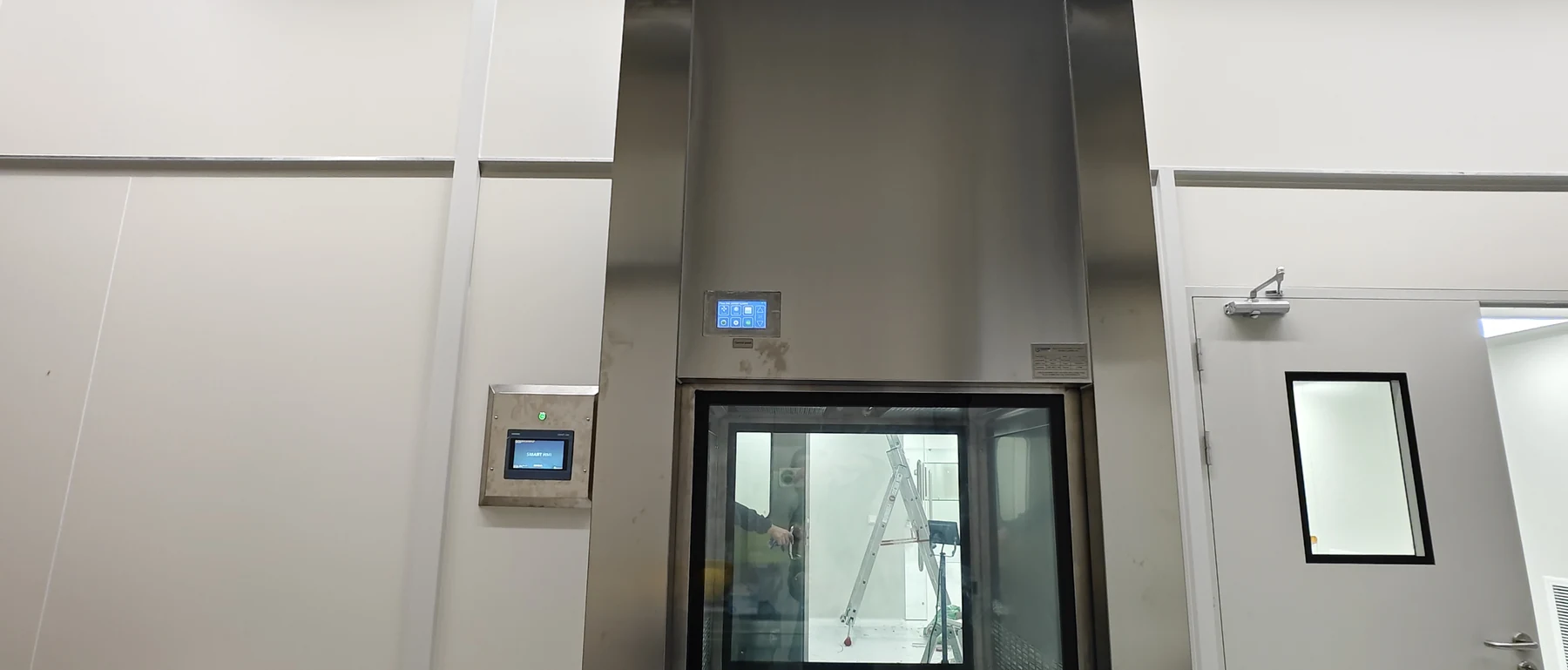
The wall-mounted Siemens interface in the Germany photograph below controls the FFU group, including start/stop, speed adjustment and fault display. It is not the temperature-control HMI. Keeping those functions distinct in the proposal helps operators and procurement teams understand which system owns each result.
Prepare a quotation brief that exposes the interfaces
For an early proposal, share the application, room plan and clear height, cleanliness target, temperature range, production schedule, equipment heat data, personnel count, process-exhaust cases and the conditions available at the factory. Identify which utilities and local works already exist and whether the project needs humidity control, redundancy, remote monitoring or staged operation.
Unknown loads can be marked for follow-up; they do not prevent an initial discussion. Asking each supplier to separate the enclosure, filtration and recirculation, air handling, controls, site connections, commissioning and performance checks makes the technical and commercial differences much easier to see. YOUTH’s modular cleanroom systems provide the wider enclosure and equipment context.
Discuss a temperature-controlled cleanroom with YOUTH on WhatsApp